Tag: indigenous

  • Dmitry Berezhkov. A Time of Cowards and Scoundrels

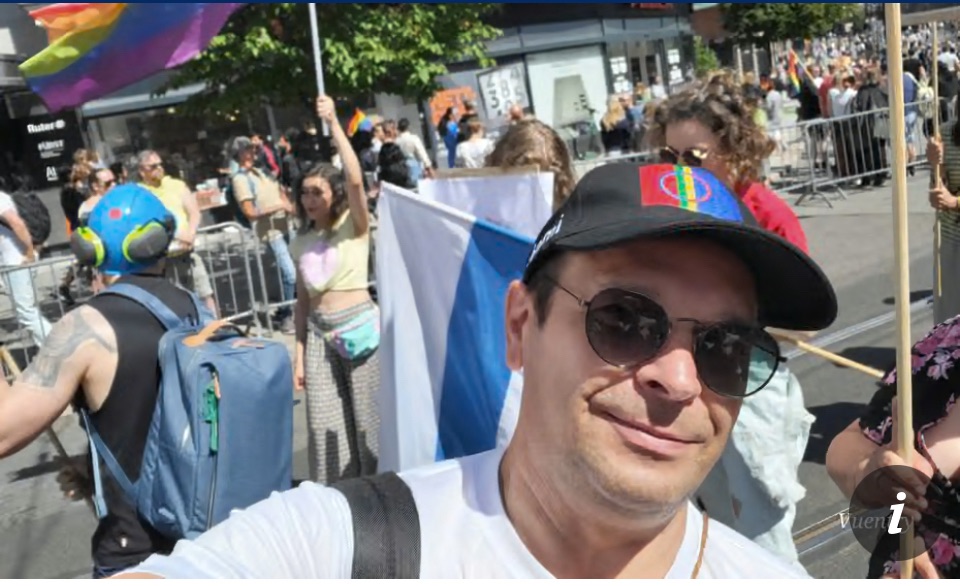
    Dmitry Berezhkov. A Time of Cowards and Scoundrels

    Photo by Sergey Gavrilov

    We are living in strange times.

    Today, what was used to be an unquestionable truth—such as the slogans “No to war” or “Peace to the world”—is now called a crime by many. What was once considered an absolute priority—respect for the individual and for human rights—is today portrayed by many as an anachronism, a relic of the past, or a liberal conspiracy.

    What was once regarded as a moral duty—to stand up for those subjected to political repression—is now declared a violation of state foundations. Silence and obedience to political diktat are presented as “responsibility.” Refusal to help those unjustly persecuted is framed as a “balanced position.”

    Murderers are turned into “heroes.” Scoundrels and villains become moral authorities.

    A few days ago, after a month and a half of silence, Alexander Novyukhov, President of RAIPON—the Association of Indigenous Small-Numbered Peoples of the North, Siberia and the Far East of the Russian Federation—finally commented on the December arrests in Moscow of Indigenous human rights defenders.

    Among those arrested was Daria Egereva—a person widely known in the international Indigenous community for its consistent human rights work within the United Nations system, including on climate change, biodiversity, and the rights of Indigenous women.

    Today, Daria is in prison. Essentially, for the fact that for many years she openly, in good faith, and professionally did her job—defending the rights of Indigenous small-numbered peoples, one of the most vulnerable and marginalized groups in Russia.

    I have known both Dasha and Sasha Novyukhov for many years. Once, we all began as young activists in the Indigenous movement: Dasha in Tomsk, Novyukhov in Khanty-Mansiysk, and I in Kamchatka. We were full of enthusiasm and hope that we—the young generation of Indigenous peoples—could change life for the better, could ensure that our peoples would be able to live fully the way of life passed down to us by our ancestors: freely fishing, hunting, herding reindeer on ancestral lands, without the oppression of state bureaucracy, without constant humiliation by officials and predatory businessmen.

    Twenty-five years ago, RAIPON was a unifying political force for the Indigenous small-numbered peoples of the Russian North. It was an organization that took a principled stand in defense of Indigenous rights—both within Russia and at the international level.

    We, representatives of what was then the young generation of Indigenous peoples, lived in a time when Russia still adopted federal laws that did not diminish our peoples’ rights, but rather systematically developed their legal status in line with international law.

    However, Alexander Novyukhov already stood out back then from us—young activists who entered the Indigenous movement out of conviction. From the very beginning, he chose a different path: combining public activism with building a career within the state power structure.

    This path is indeed rational for a careerist: participation in public movements provides visibility and access to high-ranking officials, while a state career, in turn, strengthens one’s position within Indigenous organizations themselves. Judge for yourself:

    • 1999–2001:  Deputy Chairman of the Committee for Indigenous Peoples of the North, Berezovsky District Administration, Khanty-Mansi Autonomous Okrug–Yugra
    • 2001–2003:  Head of the Department for Regulation of Relations with Subsoil Users, Committee for Indigenous Peoples of the North, KhMAO–Yugra
    • 2003–2008:  Assistant to the Deputy Chairman of the Government of KhMAO–Yugra on Indigenous Affairs, Governor’s Administration
    • 2008–2011:  Assistant to the Deputy Chairman of the Government of KhMAO–Yugra, Governor’s Office
    • 2011–2016:  Advisor to the First Deputy Governor of KhMAO–Yugra
    • 2016–2021:  Deputy of the Duma of KhMAO–Yugra from the  United Russia  party
    • 2021–present:  Member of the Federation Council of the Russian Federation from KhMAO–Yugra

    And in parallel:

    • President of the regional Indigenous organization  Saving Yugra  (2001–2016)
    • Vice President of RAIPON (2016–2021)
    • First Vice President of RAIPON (2021–2025)
    • President of RAIPON since April 2025

    A perfect bureaucratic ladder in Putin’s Russia. Novyukhov has always consistently voted at meetings—no matter which ones—in favor of all government initiatives, and has successfully blocked public initiatives that displeased the authorities.

    In addition, he successfully built financial relationships with oil companies in the Khanty-Mansi region—the richest oil-producing region in Russia.

    But his most terrible crime is not even this.

    Alexander Novyukhov bears direct responsibility for the war in Ukraine and for the deaths of hundreds of thousands of people, including thousands of Indigenous people on both sides. As a senator of the Federation Council, Novyukhov voted  in favor  of the invasion in February 2022— “Russia Votes to Use Troops Abroad After Separatist Recognition” .

    Moreover, the leadership of RAIPON—where Novyukhov was First Vice President at the time—went even further and issued a separate statement supporting President Putin’s decision to invade Ukraine, titled  “RAIPON supports the decision of President Putin to start the war in Ukraine ,” which was also signed by Alexander Novyukhov.

    And today, this man—whose hands are stained with the blood of innocents, women, children, and his own Indigenous kin killed in this war—lectures us about the “presumption of innocence and fair decisions”? About his work “to ensure sustainable development and the protection of special constitutional rights of Indigenous peoples of Russia”?

    There is hardly any point in analyzing Novyukhov’s statement regarding Daria Egereva’s arrest in detail—almost every line of it is false and propagandistic, turning into truth and truth into lies. One example is enough: the claim that  “Indigenous peoples have freely developed within the Russian state for many centuries” —as if centuries of colonial domination of Siberia and the Arctic by the Russian Empire never existed.

    However, I want to dwell on one particular moment—Novyukhov’s assertion that  “the Association has no moral right to defend people suspected of ties with organizations officially recognized as extremist.”

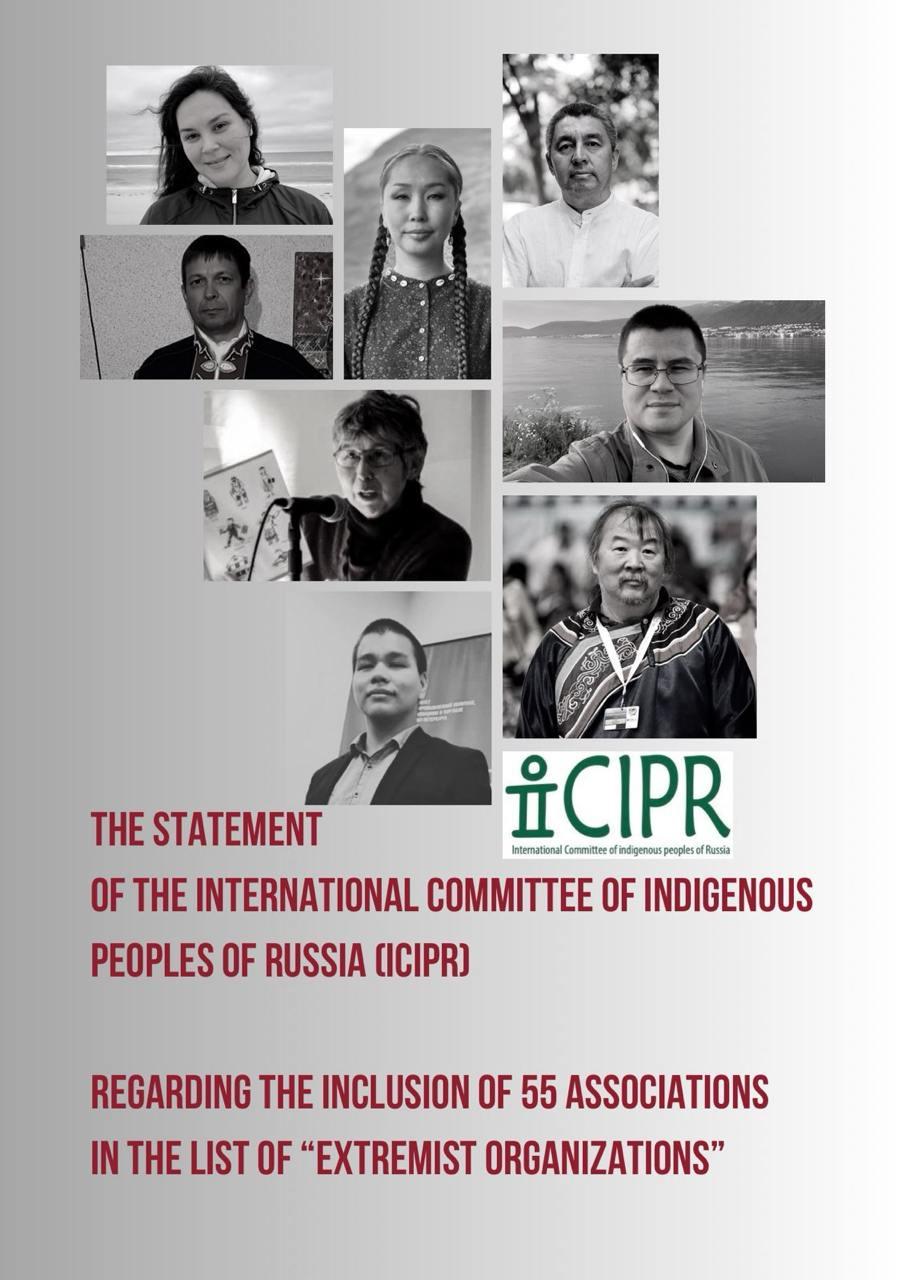
    In July 2024, Russian authorities designated  55 organizations  working in the field of Indigenous and minority rights as extremist, falsely labeling them as “branches” of a fabricated  “Anti-Russian Separatist Movement.”  The same tactic was previously used with the fictitious  “International LGBT Movement.”

    Once again: such organizations  do not exist . They were entirely invented by the Russian Ministry of Justice and the FSB to facilitate mass repression.

    Our organization—the  International Committee of Indigenous Peoples of Russia (ICIPR) —was included in that list. We issued a public statement and, together with dozens of Indigenous organizations worldwide, submitted an appeal to the UN stating that the mass criminalization of Indigenous organizations constitutes a blatant violation of international law and opens the door to further repression.

    Later in 2024, the list was expanded:  172 organizations , including ICIPR and the Indigenous activist network  Aborigen Forum , were reclassified as terrorist organizations.

    Many of these organizations, operating abroad, openly speak about independence from Russia and about Russia’s continued imperial nature.

    We never did.

    Even today, as political exiles forced to flee Russia, ICIPR members have  never  advocated independence. On the contrary, Pavel Sulyandziga—one of the most well-known Indigenous leaders—has repeatedly stated that he does not support separatism or the “collapse of Russia.”

    Yes, we speak of  self-determination . As all Indigenous peoples of the world do. This principle is enshrined in core UN documents.

    Russia abstained from voting on the UN Declaration on the Rights of Indigenous Peoples—but voted  in favor  of the 2014 UN General Assembly Outcome Document on the World Conference on Indigenous Peoples, thereby recognizing the Declaration and committing to its principles.

    This is what self-determination means: consultation, consent, respect for Indigenous ways of life. For a city dweller, a pipeline is just a line on a map. For a reindeer-herding community, it can be a death sentence.

    This is what we spoke about. This is what  Aboriginal Forum  spoke about at the UN.

    And Novyukhov knows all of this perfectly well.

    He knows that the Russian authorities deliberately lumped together Indigenous activists inside Russia with political movements abroad simply to find scapegoats—unable to reach some, they struck the most vulnerable.

    And making his lying, immoral statement, the scoundrel and villain Alexander Novyukhov knew exactly what he was doing.

    We live in a time of scoundrels and villains. And that is our tragedy.

    Dmitry Berezhkov

    Source

  • Our voices will endure—even if they try to silence them.

    Our voices will endure—even if they try to silence them.

    On May 13, 2025, the Prosecutor General’s Office of the Russian Federation declared the activities of the Batani International Fund for the Development and Solidarity of Indigenous Peoples “undesirable” on Russian territory.

    This decision is more than a bureaucratic formality—it’s a signal. Another attempt to silence the voices of those who have faced decades of marginalization, forced relocation, land dispossession, and cultural assimilation: the Indigenous peoples of Russia.

    This is not the first time the Russian authorities have tried to silence our independent voice. The first attempt came in 2016, when we were labeled a “foreign agent.” Our organization was shut down under allegations of numerous legal violations, and several of our members faced criminal prosecution.

    In 2018, we rebuilt the Batani Foundation to once again bring together activists, researchers, and allies dedicated to defending the rights of Indigenous peoples—not only in Russia, but around the world. As a Mexican proverb says, “They tried to bury us. They didn’t know we were seeds.”

    Our mission is sustainable development, the protection of Indigenous languages, cultures, and the environment, and the amplification of minority voices on the global stage.

    The Russian government claims our work is “anti-Russian.” But we are not a threat—we are witnesses. We are not enemies of the state—we are partners of Indigenous peoples. And we will not be silenced.

    We will continue to speak for those whose voices are being suppressed. We remain open to collaboration—with the international community, human rights organizations, UN representatives, journalists, and all who share our values of freedom, dignity, and equality.

    This decision by the Russian authorities only underscores one thing: our work is needed now more than ever.

    The Batani Foundation Team

    May 18, 2025

    Sourced from Indigenous Russia

  • Historic International Conference on Indigenous Peoples of the North, Siberia, and the Russian Far East Held on Orcas IslandInternational Conference on Indigenous Peoples of the North, Siberia, and the Far East and the Future of Russia Held on the Island”) reports on a recent international conference focused on the rights and future of Indigenous peoples in Russia’s northern regions.

    Historic International Conference on Indigenous Peoples of the North, Siberia, and the Russian Far East Held on Orcas IslandInternational Conference on Indigenous Peoples of the North, Siberia, and the Far East and the Future of Russia Held on the Island”) reports on a recent international conference focused on the rights and future of Indigenous peoples in Russia’s northern regions.

    From April 14 to 17, 2025, a historic international conference took place on Orcas Island, Washington State, USA, on the traditional lands of the Lummi Nation. The event focused on the current situation and future of the Indigenous peoples of the North, Siberia, and the Russian Far East in contemporary and post-Putin Russia. It was organized by the Batani International Foundation, the International Committee of Indigenous Peoples of Russia, the Indigenous Russia platform, and Russian-Speaking America for Democracy in Russia.

    The conference brought together Indigenous representatives from Russia’s northern regions, members of Russian civil society, scholars, politicians, human rights defenders, activists, journalists, and international partners. Together, they engaged in open dialogue on Indigenous rights, Russian imperial policy, decolonization, and the democratic future of Russia. A cornerstone of the event was the adoption of a landmark document titled the Orcas Island Declaration: A Statement of Reconciliation and Respect.


    April 15 – Day One

    The first day featured four key sessions:

    1. The Situation of Indigenous Peoples of the North, Siberia, and the Far East
      Representatives of the Itelmen, Sámi, Dolgan, Udege, Shor, and other Indigenous groups shared accounts of the rights violations and challenges faced in their regions.
    2. Contemporary Challenges
      This session addressed the effects of repression, rights violations, and environmental exploitation, along with insights from international institutions on legal protection and advocacy.
    3. The Future of Russia: Decolonization and Self-Governance
      Experts discussed possible models for a post-imperial Russian state that would respect Indigenous rights and self-determination.
    4. Collaboration with Pro-Democracy Movements
      Participants reviewed the current state of cooperation between Indigenous organizations and Russia’s democratic opposition, proposing practical steps to strengthen dialogue and coordination.

    April 16 – Day Two

    The second day was devoted to the collective development of the conference’s final document. After intensive discussions and consultations, participants adopted the Orcas Island Declaration: A Statement of Reconciliation and Respect.

    Adoption of the Orcas Island Declaration

    The declaration serves as a foundational document that:

    • Condemns colonial policies, forced assimilation, and repression against Indigenous peoples in Russia;
    • Emphasizes the need to restore historical justice;
    • Commits to collaboration with democratic forces for a future based on equality and human rights;
    • Calls for the creation of a permanent dialogue platform;
    • Sets concrete goals, including monitoring rights violations, offering legal assistance, developing legislative initiatives for Indigenous rights and land/resource protection, and advancing research and education projects.

    Inspired by reconciliation efforts in Canada, the U.S., Australia, and Norway, the declaration urges Russia to undertake a similar path—acknowledging its colonial legacy, restoring respect for Indigenous communities, and enacting institutional reforms. The document is more than a conference outcome; it is a moral and political guidepost for those advocating for the rights of Russia’s Indigenous peoples.

    In the afternoon, the Lummi Nation hosted a community event for conference participants and residents. Speakers included representatives of the Native American organization Se’Si’Le, as well as Pavel Sulyandziga, Tyan Zaochnaya, and Vladislav Inozemtsev. This gathering symbolized international solidarity and underscored the shared histories of colonization and the global movement for Indigenous rights.


    April 17 – Day Three

    On the final day, conference participants visited the Lummi Nation reservation and met with members of the Tribal Council. This visit was both a gesture of respect and gratitude and a first step toward building a lasting partnership between Indigenous peoples of Russia and the United States.


    The conference marked a significant milestone toward envisioning a new Russia—democratic, inclusive, and respectful of every nation’s right to self-determination and dignity.

  • The European Parliament Discussed the Issues of Indigenous Peoples
    The European Parliament Discussed the Issues of Indigenous Peoples

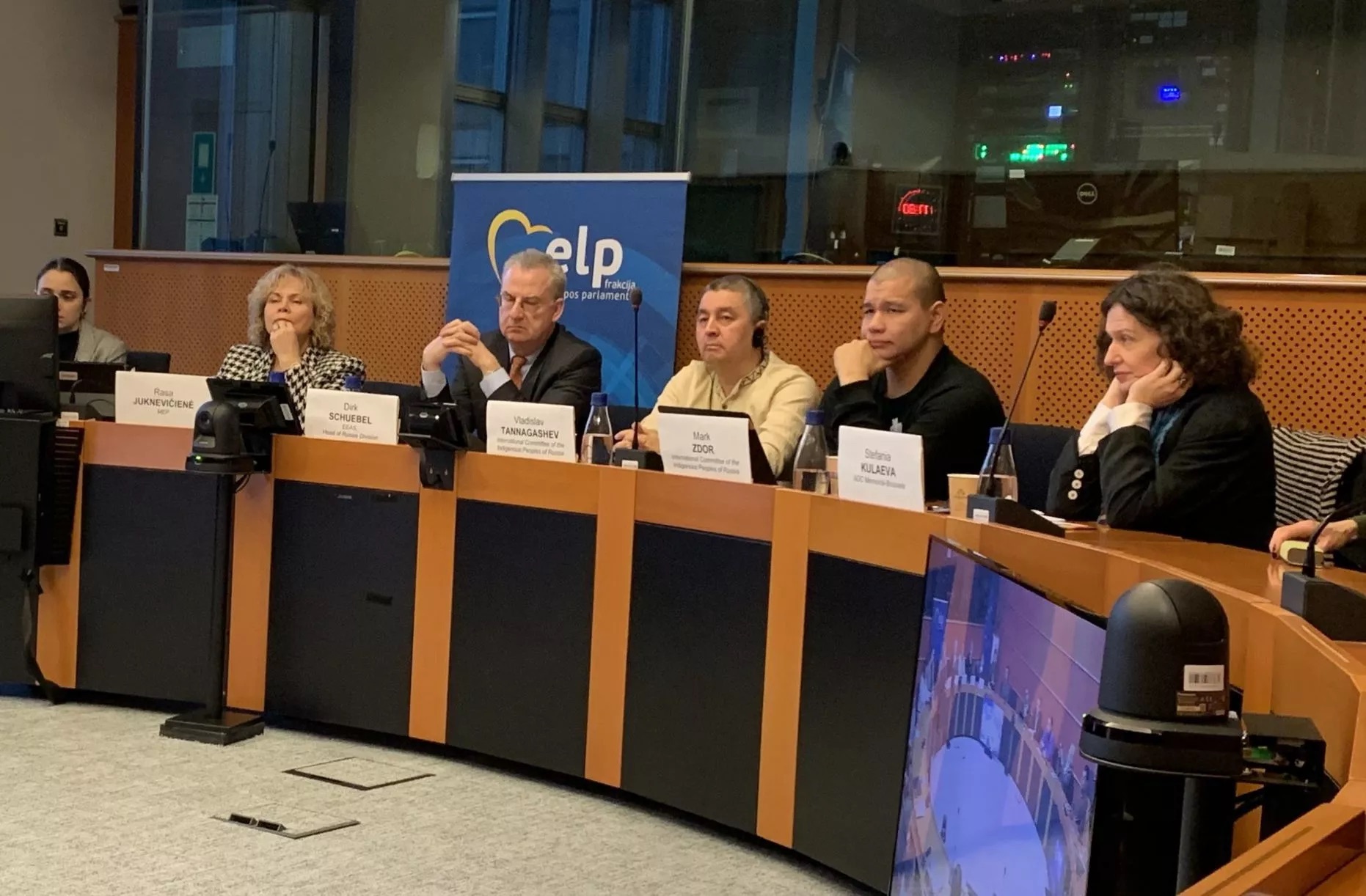
    On February 4, 2025, the European Parliament in Brussels hosted a discussion titled “Land Exploitation, Oppression of Peoples: Discrimination and Persecution of Indigenous Peoples of Siberia, the North, and the Far East.” This event was organized by the Anti-Discrimination Center “Memorial” (Brussels) in collaboration with Lithuanian MEP Rasa Juknevičienė. It continued the partnership initiated on October 25, 2023, during the event “Resisting Russian Colonial Pressure: Voices of Different Peoples” held in the European Parliament.

    Moderated by Rasa Juknevičienė and Stefania Kulaeva from ADC “Memorial,” the discussion featured speakers including Vladislav Tannagashov, a founding member of the International Committee of Indigenous Peoples of Russia (ICIPR); Mark Zdor, a native of Chukotka, ICIPR member, and anti-war activist; Dirk Schuebel, Head of the Russia Division at the European External Action Service; and Anastasia Crickley, an expert on minority rights and former chair of the UN Committee on the Elimination of Racial Discrimination. The event began with a screening of the first part of the documentary “Shor Gold.”

    Speakers highlighted their support for Ukraine and condemned Russian aggression. They detailed how Russian authorities are destroying the habitats of indigenous peoples, repressing protesters, and decimating male populations in native villages through mobilization, turning residents into “cannon fodder.” Both primary speakers and other participants emphasized the discriminatory nature of Russia’s national policies, including the suppression of the cultures, languages, and religions of minority peoples.

    Dirk Schuebel expressed support for Ukraine and activists opposing Russian aggression, affirming readiness to back such initiatives. MEP Rasa Juknevičienė discussed a European Parliament resolution emphasizing historical responsibility and the connection between history and current issues. She shared her personal experience overcoming Russia’s imperial influence on the Baltic states, fighting for Lithuania’s liberation, and thanked Ukraine for its courage in battling for independence and democracy.

    An ADC “Memorial” expert discussed protecting indigenous rights as part of anti-discrimination efforts, expressing support for organizations like the ICIPR, which have been labeled as extremists and terrorists in Russia merely for peaceful advocacy. ADC “Memorial” unequivocally condemns such repression of indigenous rights defenders and minority rights advocates, expressing solidarity with their principled human rights and anti-war stance.

  • The U.N. and Indigenous Peacebuilding: An Untapped Partnership
    The U.N. and Indigenous Peacebuilding: An Untapped Partnership

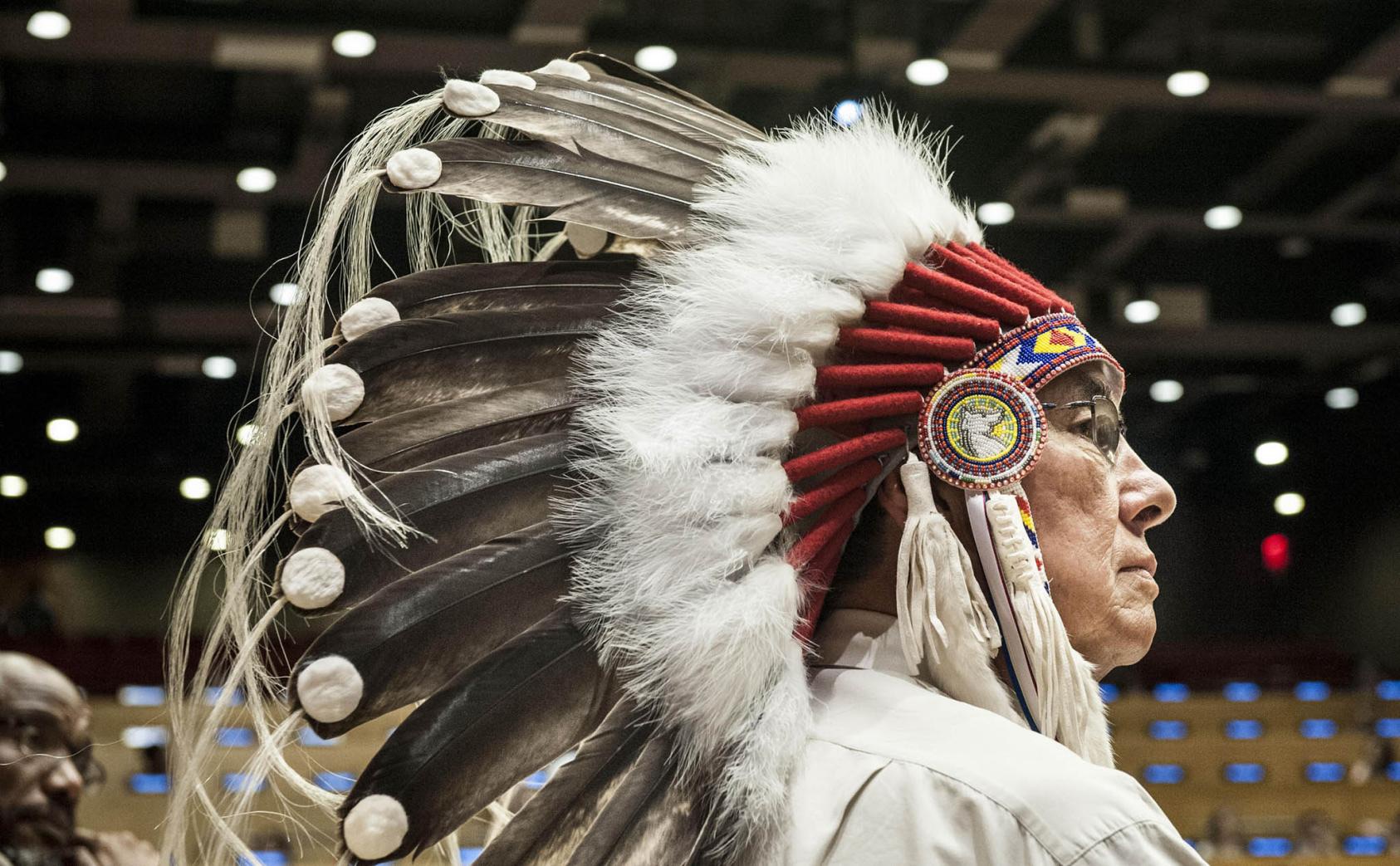
    In December 2024, the United Nations General Assembly adopted a landmark resolution advocating for the inclusion of Indigenous peoples in peace agreement negotiations, transitional justice processes, conflict resolution, mediation, and constructive arrangements. This move underscores the recognition of Indigenous communities’ unique contributions to peacebuilding. 

    The First Global Summit on Indigenous Peacebuilding, held at the United States Institute of Peace (USIP) in April 2024, played a pivotal role in this development. The summit facilitated Indigenous leaders’ engagement with U.N. institutions and member states, leading to several significant outcomes:

    • Indigenous leaders addressed the U.N. Permanent Forum on Indigenous Issues (UNPFII) in April 2024.

    • Summit attendees briefed U.N. member states during the General Assembly in September 2024.

    • The U.N. Department of Political and Peacebuilding Affairs appointed an official dedicated to Indigenous mediation.

    • The summit’s declaration influenced eight articles on Indigenous peacebuilding in the UNPFII’s outcome document and informed language in the December U.N. resolution.

    Additionally, the Global Network of Indigenous Peacebuilders, Mediators, and Negotiators was established during the summit. This network aims to promote Indigenous practices in formal peacebuilding efforts in the coming years. 

    Given that 80% of the world’s conflicts occur in biodiversity hotspots where Indigenous peoples reside, recognizing and integrating Indigenous knowledge in peacebuilding is imperative. Documenting and understanding the diverse methods Indigenous communities have used for peacebuilding throughout history is essential for effective conflict resolution. 

    In summary, the U.N.’s recent resolution and the initiatives stemming from the Global Summit on Indigenous Peacebuilding highlight a growing acknowledgment of the vital role Indigenous peoples play in global peace efforts.

    Sourced from https://www.usip.org/publications/2025/01/un-and-indigenous-peacebuilding-untapped-partnership

  • Russia’s Supreme Court designated 172 indigenous groups as “terrorist” organizations
    Russia’s Supreme Court designated 172 indigenous groups as “terrorist” organizations

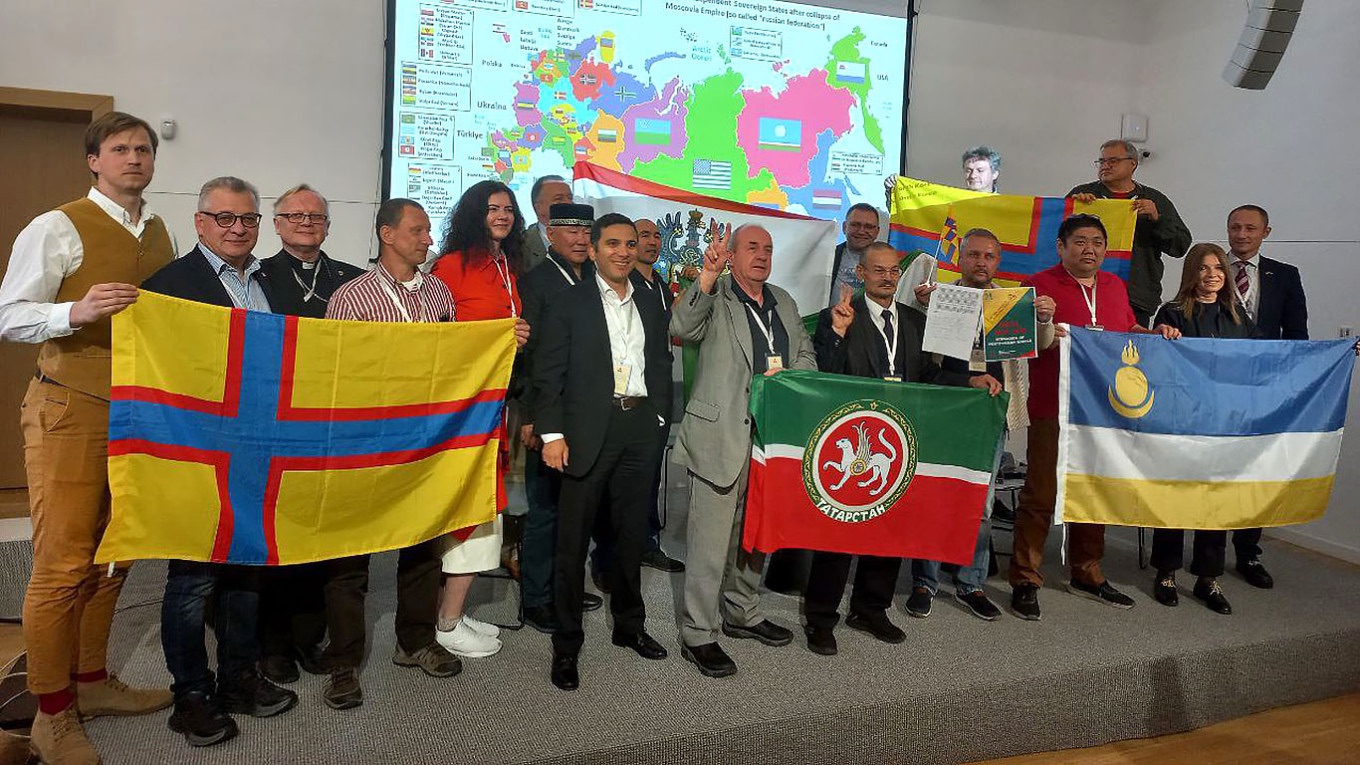
    On November 22, 2024, Russia’s Supreme Court designated 172 indigenous groups as “terrorist” organizations, alleging their involvement in promoting secession and supporting Ukraine’s military efforts, as announced by the Prosecutor General’s Office.

    Authorities assert that these groups function as “structural subdivisions” of the Free Nations of PostRussia Forum, a Poland-based entity established in 2022. This forum identifies itself as a platform advocating for the decolonization and division of Russia into 41 independent states.

    The Prosecutor General’s Office stated that the organization is led by self-proclaimed leaders of national-separatist movements who have fled abroad, aiming to fragment Russia into smaller states under the influence of “unfriendly countries.”

    Previously, in 2023, the Prosecutor General’s Office labeled the Free Nations of PostRussia Forum as an “undesirable organization,” citing threats to Russia’s constitutional order and security, thereby criminalizing any interaction with the forum.

    The Supreme Court was scheduled to review the request to classify the forum as a “terrorist organization” on November 14, 2024.

    Among the groups listed in the recent ruling are the Baltic Republican Party, the Ingria movement, and the Free Yakutia Foundation—three organizations already labeled “extremist” by Russia’s Justice Ministry earlier this year.

    Sargylana Kondakova, co-founder of the Free Yakutia Foundation, an Indigenous rights group from the republic of Sakha (Yakutia), refuted the authorities’ characterization of her organization. She emphasized that the foundation is not part of the Free Nations of PostRussia Forum and does not identify as a nationalist separatist movement. Instead, the foundation focuses on advocating for the rights of Indigenous people in Sakha and combating propaganda within the republic. Kondakova added that while they consider themselves a decolonial movement, their goal is not the partitioning of the Russian Federation into multiple states.

    In June 2024, the Supreme Court banned a vaguely defined “anti-Russian separatist movement” as “extremist,” though rights groups have noted the absence of any formally established organization by that name.

    Subsequently, Russia’s Justice Ministry labeled 54 Indigenous groups and the U.S.-based Free Russia Foundation as “extremist” organizations.

    These actions have raised concerns among Indigenous rights advocates and international observers regarding the suppression of Indigenous movements and the potential infringement on the rights of minority groups within Russia.

  • “We are nobody here…” A report from Yugra, where oil workers are displacing the Khanty from their ancestral lands
    “We are nobody here…” A report from Yugra, where oil workers are displacing the Khanty from their ancestral lands

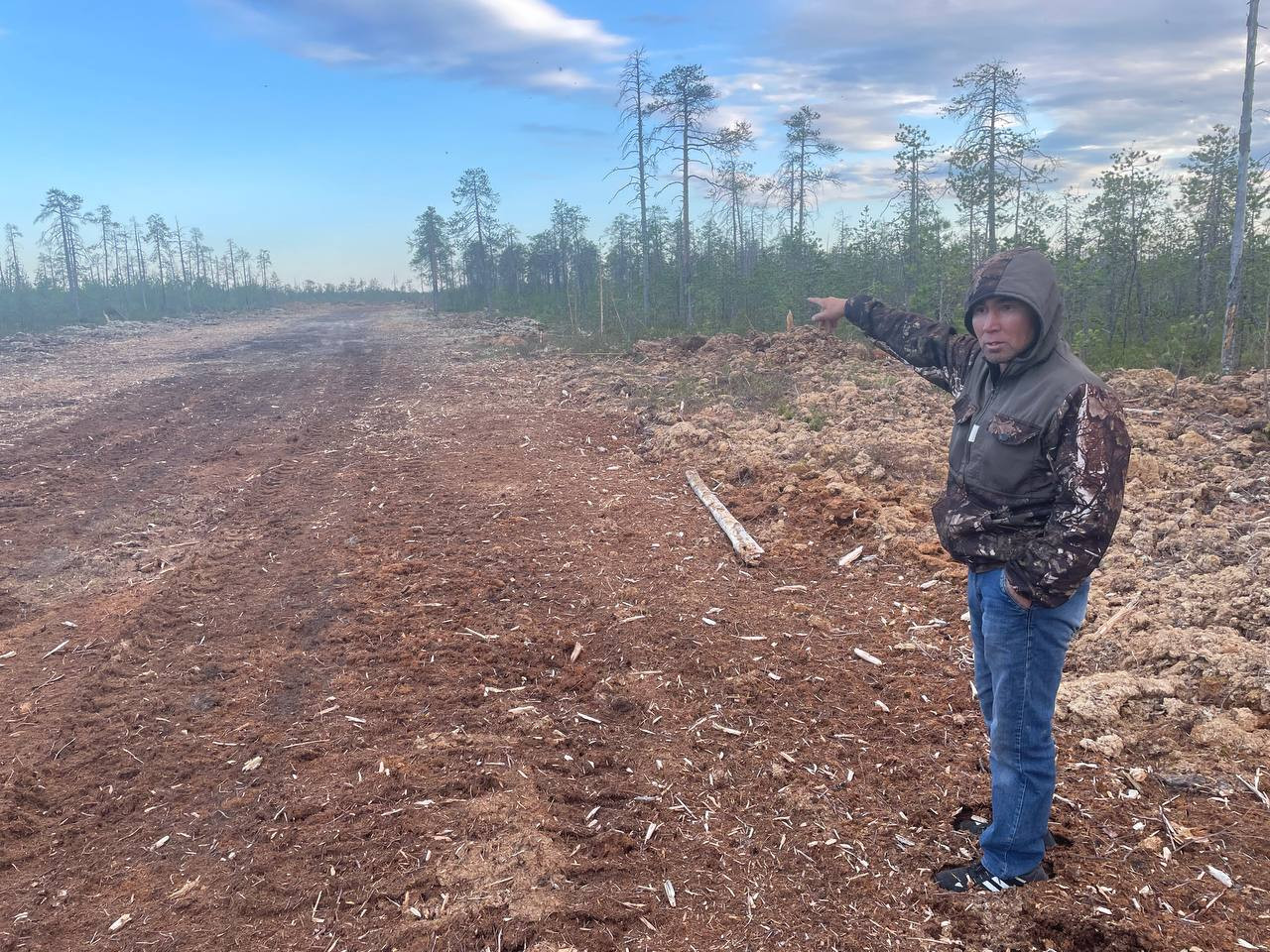
    In the summer of 2024, human rights advocates from the “Public Radar” project appealed to Russian authorities with a proposal to amend legislation allowing industrial companies to exploit lands traditionally used by Indigenous peoples. This initiative stemmed from complaints by residents of the Khanty-Mansi Autonomous Okrug – Yugra, where oil companies have been building infrastructure on ancestral lands for decades without the owners’ consent.

    These ancestral lands, legally known as territories of traditional nature use, are granted to Indigenous peoples for activities like reindeer herding, fishing, and gathering berries and mushrooms. However, these communities do not have ownership rights over the land.

    Oil companies, by contrast, operate with few restrictions. Although regional laws require them to coordinate with Indigenous representatives before establishing infrastructure, refusal is not an option. The federal agency Rosnedra issues oil extraction licenses without considering the Indigenous stance. Therefore, negotiations often focus on compensation rather than consent.

    If any Indigenous community members refuse compensation and simply ask that no oil extraction occur on their land, the drilling proceeds regardless. The dissenters are told to file complaints, where the legal machinery of the oil corporations works against them.

    As a result, many Indigenous communities have resigned themselves to the situation. The bravest only fight for fair compensation, as the oil infrastructure not only occupies their land but often malfunctions, leading to oil spills. In places where oil contaminates the soil, reindeer cannot graze, and berries won’t grow.

    A correspondent from “Kedr” visited the ancestral lands in the Surgut district of Yugra to document how corporations are displacing Indigenous peoples from their territories.

    This article discusses the current struggles of the Indigenous peoples of Khanty-Mansi Autonomous Okrug: what they are fighting for and their current demands.

    We previously covered how the Khanty fought to protect their lands and way of life in past years, even pushing for a referendum to ban the expansion of oil drilling, only to be suppressed by the authorities, in our report “Oil – The Provider”.


    Forbidden Territory

    “You need to warn me to stop; I might forget and drive you straight to the checkpoint, and no one will get through. Russians aren’t allowed at the camps unless they’re oil workers,” said Anatoly Vandymov, a Khanty man, driving an old car through the taiga. We were headed 150 km from the village of Nizhnesortymsky to Anatoly’s ancestral lands, where he lives with his family and where his two dozen reindeer graze.

    Our party included Vandymov, me, and a guide named Oksana, with whom I would navigate the forbidden area. In the 2000s, the company Surgutneftegaz set up checkpoints and began restricting non-Indigenous residents from accessing oilfields and ancestral lands. Initially, this was done at the request of the Khanty themselves, who were frustrated by outsiders hunting and fishing. But over time, these restrictions turned against the Indigenous people: now, the Khanty need Surgutneftegaz’s permission even to visit neighboring ancestral lands where oil is being extracted.

    The journey from Nizhnesortymsky to the camp takes about two hours, a trip Vandymov makes several times a week to buy supplies. Anatoly, aged 40, is short and, like many Indigenous people, looks younger than his years. At home, his four children and wife wait for him, while his eldest son has already grown up and found a bride.

    Vandymov, like nearly everyone here, works for Surgutneftegaz as an inspector, checking for pipeline ruptures. According to Anatoly, locals are rarely promoted to higher positions within the company, and there’s no other work in Nizhnesortymsky that allows them to maintain their traditional lifestyle. Anatoly adds with a grin that he took the job at Surgutneftegaz to keep an eye on the oil workers and what they do on his land.

    In his spare time between shifts—two weeks on, two weeks off—Vandymov fishes, tends to his reindeer, and hunts.

    To enter Khanty ancestral lands, we had to pass through the oil company’s checkpoint, located halfway between the village and Vandymov’s lands.

    “The guards at the checkpoint are often rude to locals. There was an incident with my younger brother; they wouldn’t let him onto our lands because he was traveling with another Indigenous man whose lands are elsewhere. When my brother asked to see their documents, they told him he ‘wasn’t grown enough to ask for documents’—he’s 22! When he threatened to report their behavior, one of the guards said that if nothing happened after the complaint, he’d beat my brother up. How can they act like this? Whenever we complain or speak to the media, security becomes stricter, and the guards’ rudeness increases,” says Anatoly.

    Eventually, the security staff received a disciplinary talk, according to the company. Surgutneftegaz responded to Anatoly’s complaint by saying, “We conducted a preventative conversation with the security guards regarding inappropriate behavior towards citizens.”


    Non-Indigenous people who do not work in the oil industry are not allowed past the checkpoint—even to visit Khanty friends. The Khanty believe Surgutneftegaz fears environmentalists or journalists might infiltrate oil extraction zones. Indigenous people from other areas cannot pass the checkpoint without permission from the company’s Indigenous Affairs engineer.

    The car stops a couple of kilometres before the security checkpoint. From here, Oksana and I continue on foot through the burned forest, where a fire swept through last year. Our feet sink into the deep moss.

    Suddenly, a reindeer appears among the blackened trees. It has strayed from its herd and looks around nervously. Oksana tells me we must catch up and photograph it to find its owner, but the reindeer allows only a distant snapshot before fleeing at the slightest movement.

    Reindeer are not just livestock for the Khanty. Their hides are used for clothing, and they pull sleds through deep snow into the taiga.

    “Reindeer can live without humans, finding their food, like lichen. But they must be supplemented with grain or fish, and in summer, smoke is used to drive away mosquitoes,” says my guide.

    We eventually reach the road where Anatoly is waiting. The drive continues for another hour and a half. This industrial road was built by Surgutneftegaz, and the oil workers often remind locals that they benefit from it, though it wasn’t built for the herders but to transport employees and oil. There are about a hundred exploration wells, cluster pads, oil and gas extraction workshops, pipelines, and gas turbine power stations on Vandymov’s ancestral lands.

    Anatoly’s family has held these lands for three generations. He and his wife, mother, and brother’s family tend a herd of twenty reindeer. However, herding is becoming increasingly difficult due to expanding oil extraction.

    “We have few reindeer, but it’s hard to manage them because of the roads where they are often hit by cars, and the pollution. We’re forced to move farther away, but we have less and less land.”

    The oil workers bury domestic waste and spilled oil products near the well pads. During accidents, oil leaks are supposed to be cleaned up and removed, but the companies cut costs. When there’s a spill, they scrape off the top layer of soil and bury it nearby, contaminating the groundwater, explains Anatoly.

    The source: https://kedr.media/stories/my-zdes-nikto/

  • Just Transition Indigenous Summit will be held on October 8-10 in Geneva
    Just Transition Indigenous Summit will be held on October 8-10 in Geneva

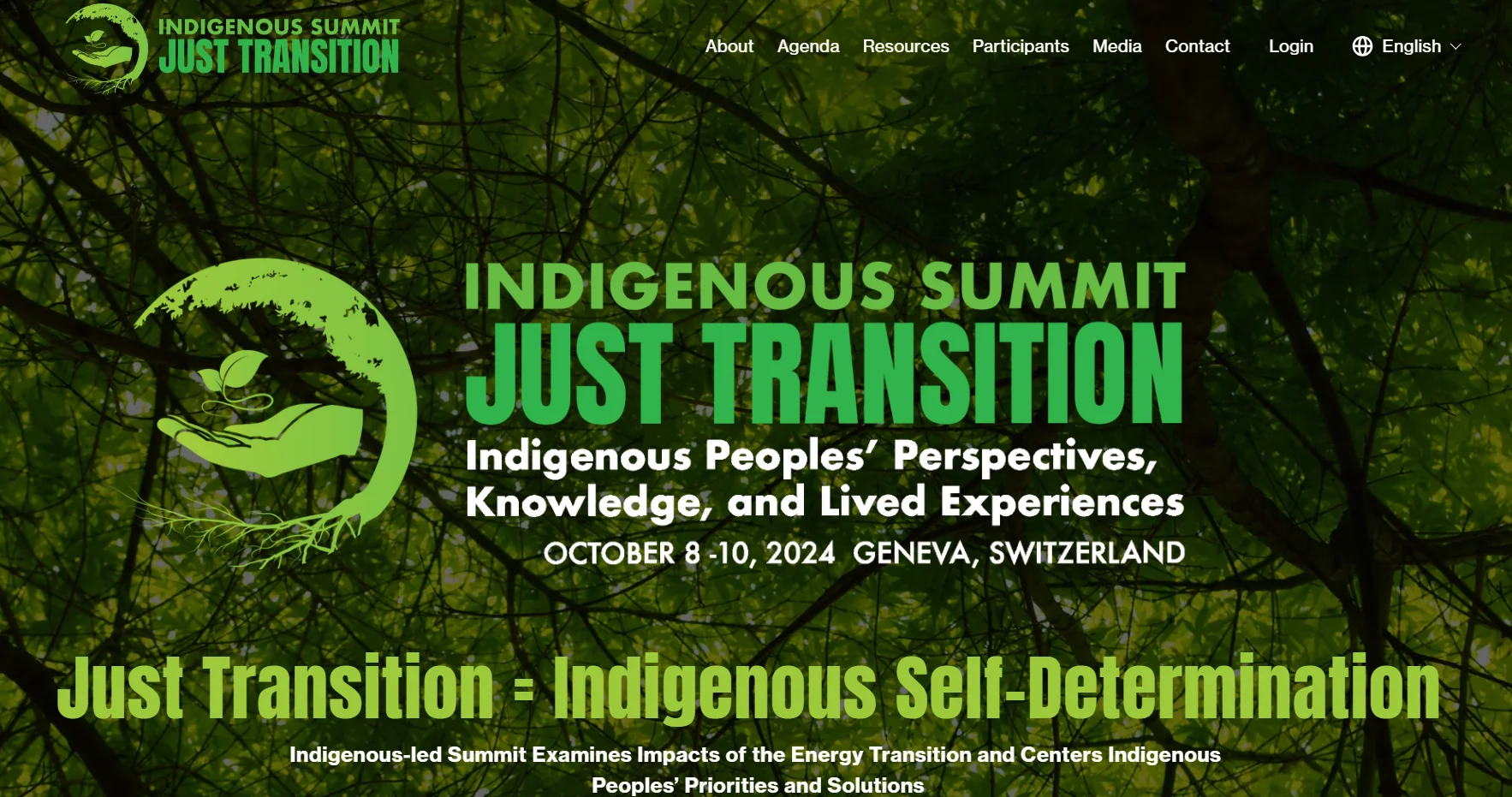
    The Just Transition Indigenous Summit aims to address the impacts of the energy transition on Indigenous communities and prioritize their perspectives and solutions. Scheduled for October 8-10, 2024, in Geneva, this summit will convene over 100 representatives from Indigenous groups across the globe.

    As governments and corporations pivot towards a low-carbon economy to address the climate crisis, there is often a neglect of the rights of Indigenous Peoples as defined in the United Nations Declaration on the Rights of Indigenous Peoples (UNDRIP). These rights include the principles of self-determination and Free, Prior and Informed Consent (FPIC). The summit intends to challenge conventional narratives regarding the Just Transition and underscore the necessity of integrating Indigenous values and rights into all phases of project development and implementation.

    The objective of the summit is to affirm a rights-based approach relevant to any extractive projects proposed on Indigenous lands. It will establish criteria and safeguards that align with the principles of Just Transition. Discussions will focus on ensuring that projects do not replicate the harms associated with fossil fuel extraction and other traditional resource developments.

    This summit represents a significant gathering where Indigenous Peoples from seven socio-cultural regions will unite to collectively redefine the Just Transition and the notion of a “Green Economy” from their distinct perspectives.

    Rodion Sulyandziga, Chair of the Indigenous Peoples Global Coordinating Committee, emphasizes the importance of Indigenous-led initiatives within the broader context of environmental policy and resource management, underscoring the commitment to the protection and upliftment of Indigenous voices in the transition to a sustainable future.

    The Just Transition Indigenous Summit serves as a pivotal platform for advocating the rights of Indigenous Peoples, driving forward their priorities and contributions in the ongoing movement towards a more equitable and sustainable global economy.

  • Russia’s Control Over Sami People

    Russia’s Control Over Sami People

    The situation regarding the Indigenous Sami people in Russia is grave, as they are being compelled to conceal their identity due to government pressures and legal changes. The Russian administration’s actions threaten their cultural heritage and autonomy, outlining a broader narrative of dominance over minority groups.

    The Russian government is implementing measures that compel Indigenous Sami people to suppress their identity. This initiative is likened to an attempt for “total control” over these communities, undermining their cultural expressions and traditions. The Ministry of Justice has introduced 55 new Indigenous groups, further complicating the representation of Sami identity within legal frameworks.

    Cultural Erosion

    The enforced assimilation policies pose a significant threat to the Sami’s traditional way of life. As legal pressures mount, many Sami individuals experience a disconnection from their cultural roots, leading to a gradual erosion of their identity. This tactic is detrimental not only to the Sami themselves but also to the richness of cultural diversity that exists within Russia.

    Historical Context

    Historically, Indigenous communities, including the Sami, have faced marginalization and systemic oppression. The current situation marks a continuation of such practices, reflecting a persistent struggle against the dominant narratives imposed by state authorities. It is crucial to recognize the historical context behind these contemporary issues to understand the depth of the conflict.

    International Response

    The global community has begun to take notice of the plight of Indigenous peoples in Russia, with calls for intervention and support. Activists and human rights organizations are urging for a unified response to safeguard the rights of the Sami and other Indigenous groups. Addressing these urgent concerns is essential in preserving the cultural integrity and livelihoods of marginalized communities.

    Advocacy for Indigenous rights appears essential in combating these repressive measures. By raising awareness and pushing for policy changes, there is hope for the Sami people to reclaim their identity and cultural heritage. Continuous international support and solidarity are necessary in the pursuit of justice and recognition for Indigenous rights.

    Taken from here

  • Disproportionate Mobilization of Indigenous Peoples in Khabarovsk Krai in raw figures
    Disproportionate Mobilization of Indigenous Peoples in Khabarovsk Krai in raw figures

    Author: Maria Vyushkova


    On August 1, 2024, a study was published by the publication “Important Stories” and the independent analytical group Conflict Intelligence Team. Based on data about payments to military personnel and their families, both teams managed to calculate the number of contract soldiers and mobilized personnel recruited from autumn 2022 to April 2024.

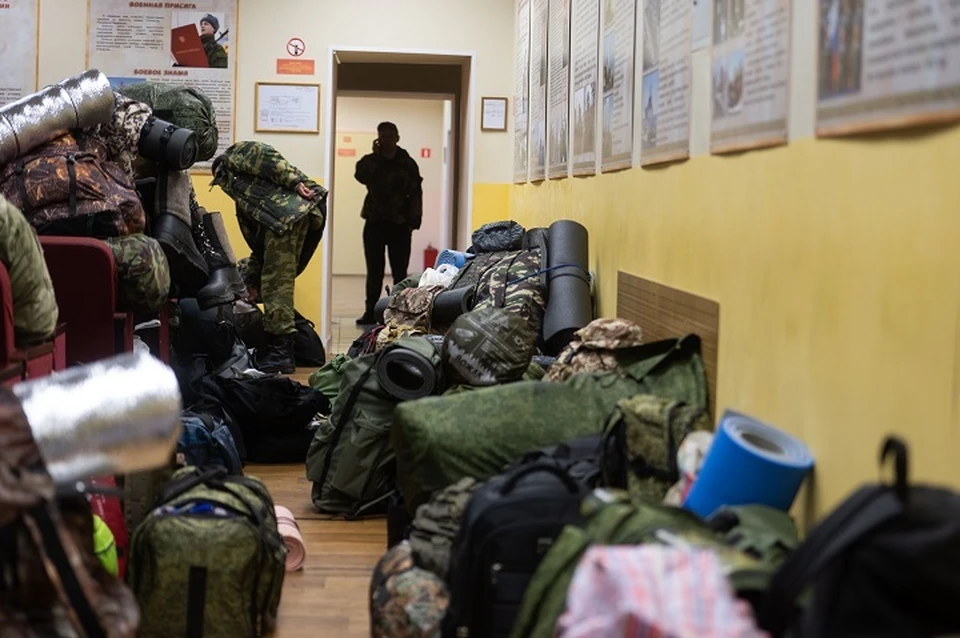
    According to these calculations, 4,496 people were mobilized in Khabarovsk Krai.

    How many of them were representatives of the region’s indigenous peoples?

    We can find the answer to this question in the speech of the President of the Association of Indigenous Peoples of the North of Khabarovsk Krai Lyubov Odzyal. She delivered this speach at an event called “Special military operation: Contribution of the Indigenous Peoples of the North and Far East”, which was held in Moscow on April 30, 2024, as part of the XIX international exhibition and fair “Treasures of the North”. Lyubov Odzyal stated that 200 representatives of the indigenous peoples of the Khabarovsk Territory were mobilized.

    According to the 2021 census, the population of the Khabarovsk Territory is 1,292,944 people. The indigenous peoples (Nanai, Negidal, Nivkh, Oroch, Udege, Ulchi, Evenki, Evens) number 21,129 people.

    This means that the number of mobilized from the non-indigenous population of the region is approximately 34 people per 10 thousand residents.

    As for the indigenous population the number is about 95 per the same 10 thousand.

    The numbers speak for themselves. Representatives of the indigenous peoples were indeed taken much more often.

    The consequences of this are already visible. In the Udege village of Gvasyugi, only 211 people live according to the census. Five of the mobilized people are now known to have died.

    War and disproportionate mobilization are a direct threat to the future of the indigenous peoples of Khabarovsk Krai.

    References:  

    https://istories.media/stories/2024/08/01/za-dengi-da

    https://vk.com/video-72178198_456239674

    https://ok.ru/video/7419024050720