Warning: Array to string conversion in /var/www/chrooted/kolaweb/htdocs/batani.org/wp-includes/formatting.php on line 1128
FPIC

Tag: FPIC

  • Historic International Conference on Indigenous Peoples of the North, Siberia, and the Russian Far East Held on Orcas IslandInternational Conference on Indigenous Peoples of the North, Siberia, and the Far East and the Future of Russia Held on the Island”) reports on a recent international conference focused on the rights and future of Indigenous peoples in Russia’s northern regions.

    Historic International Conference on Indigenous Peoples of the North, Siberia, and the Russian Far East Held on Orcas IslandInternational Conference on Indigenous Peoples of the North, Siberia, and the Far East and the Future of Russia Held on the Island”) reports on a recent international conference focused on the rights and future of Indigenous peoples in Russia’s northern regions.

    From April 14 to 17, 2025, a historic international conference took place on Orcas Island, Washington State, USA, on the traditional lands of the Lummi Nation. The event focused on the current situation and future of the Indigenous peoples of the North, Siberia, and the Russian Far East in contemporary and post-Putin Russia. It was organized by the Batani International Foundation, the International Committee of Indigenous Peoples of Russia, the Indigenous Russia platform, and Russian-Speaking America for Democracy in Russia.

    The conference brought together Indigenous representatives from Russia’s northern regions, members of Russian civil society, scholars, politicians, human rights defenders, activists, journalists, and international partners. Together, they engaged in open dialogue on Indigenous rights, Russian imperial policy, decolonization, and the democratic future of Russia. A cornerstone of the event was the adoption of a landmark document titled the Orcas Island Declaration: A Statement of Reconciliation and Respect.


    April 15 – Day One

    The first day featured four key sessions:

    1. The Situation of Indigenous Peoples of the North, Siberia, and the Far East
      Representatives of the Itelmen, Sámi, Dolgan, Udege, Shor, and other Indigenous groups shared accounts of the rights violations and challenges faced in their regions.
    2. Contemporary Challenges
      This session addressed the effects of repression, rights violations, and environmental exploitation, along with insights from international institutions on legal protection and advocacy.
    3. The Future of Russia: Decolonization and Self-Governance
      Experts discussed possible models for a post-imperial Russian state that would respect Indigenous rights and self-determination.
    4. Collaboration with Pro-Democracy Movements
      Participants reviewed the current state of cooperation between Indigenous organizations and Russia’s democratic opposition, proposing practical steps to strengthen dialogue and coordination.

    April 16 – Day Two

    The second day was devoted to the collective development of the conference’s final document. After intensive discussions and consultations, participants adopted the Orcas Island Declaration: A Statement of Reconciliation and Respect.

    Adoption of the Orcas Island Declaration

    The declaration serves as a foundational document that:

    • Condemns colonial policies, forced assimilation, and repression against Indigenous peoples in Russia;
    • Emphasizes the need to restore historical justice;
    • Commits to collaboration with democratic forces for a future based on equality and human rights;
    • Calls for the creation of a permanent dialogue platform;
    • Sets concrete goals, including monitoring rights violations, offering legal assistance, developing legislative initiatives for Indigenous rights and land/resource protection, and advancing research and education projects.

    Inspired by reconciliation efforts in Canada, the U.S., Australia, and Norway, the declaration urges Russia to undertake a similar path—acknowledging its colonial legacy, restoring respect for Indigenous communities, and enacting institutional reforms. The document is more than a conference outcome; it is a moral and political guidepost for those advocating for the rights of Russia’s Indigenous peoples.

    In the afternoon, the Lummi Nation hosted a community event for conference participants and residents. Speakers included representatives of the Native American organization Se’Si’Le, as well as Pavel Sulyandziga, Tyan Zaochnaya, and Vladislav Inozemtsev. This gathering symbolized international solidarity and underscored the shared histories of colonization and the global movement for Indigenous rights.


    April 17 – Day Three

    On the final day, conference participants visited the Lummi Nation reservation and met with members of the Tribal Council. This visit was both a gesture of respect and gratitude and a first step toward building a lasting partnership between Indigenous peoples of Russia and the United States.


    The conference marked a significant milestone toward envisioning a new Russia—democratic, inclusive, and respectful of every nation’s right to self-determination and dignity.

  • The European Parliament Discussed the Issues of Indigenous Peoples
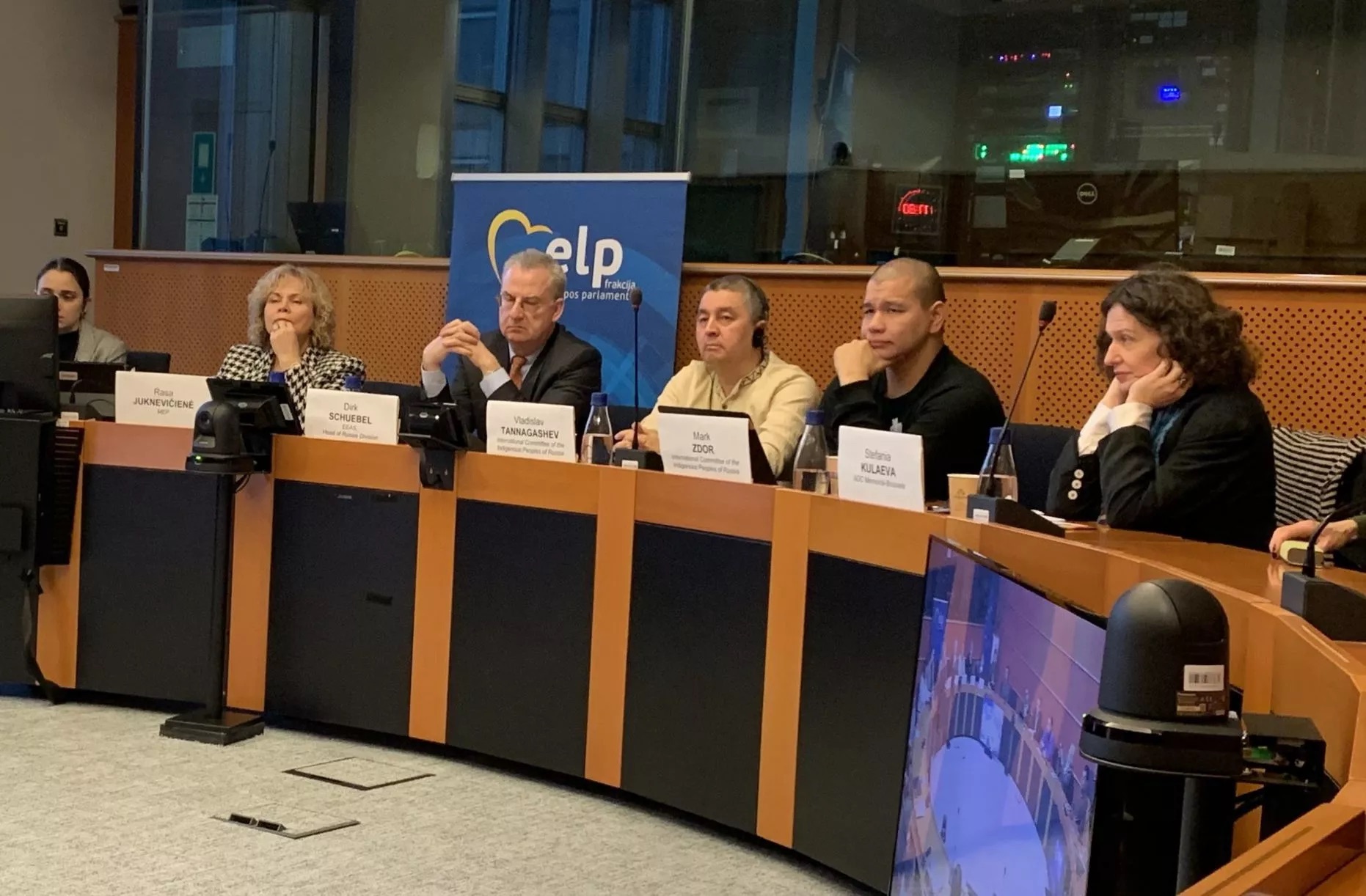
    The European Parliament Discussed the Issues of Indigenous Peoples

    On February 4, 2025, the European Parliament in Brussels hosted a discussion titled “Land Exploitation, Oppression of Peoples: Discrimination and Persecution of Indigenous Peoples of Siberia, the North, and the Far East.” This event was organized by the Anti-Discrimination Center “Memorial” (Brussels) in collaboration with Lithuanian MEP Rasa Juknevičienė. It continued the partnership initiated on October 25, 2023, during the event “Resisting Russian Colonial Pressure: Voices of Different Peoples” held in the European Parliament.

    Moderated by Rasa Juknevičienė and Stefania Kulaeva from ADC “Memorial,” the discussion featured speakers including Vladislav Tannagashov, a founding member of the International Committee of Indigenous Peoples of Russia (ICIPR); Mark Zdor, a native of Chukotka, ICIPR member, and anti-war activist; Dirk Schuebel, Head of the Russia Division at the European External Action Service; and Anastasia Crickley, an expert on minority rights and former chair of the UN Committee on the Elimination of Racial Discrimination. The event began with a screening of the first part of the documentary “Shor Gold.”

    Speakers highlighted their support for Ukraine and condemned Russian aggression. They detailed how Russian authorities are destroying the habitats of indigenous peoples, repressing protesters, and decimating male populations in native villages through mobilization, turning residents into “cannon fodder.” Both primary speakers and other participants emphasized the discriminatory nature of Russia’s national policies, including the suppression of the cultures, languages, and religions of minority peoples.

    Dirk Schuebel expressed support for Ukraine and activists opposing Russian aggression, affirming readiness to back such initiatives. MEP Rasa Juknevičienė discussed a European Parliament resolution emphasizing historical responsibility and the connection between history and current issues. She shared her personal experience overcoming Russia’s imperial influence on the Baltic states, fighting for Lithuania’s liberation, and thanked Ukraine for its courage in battling for independence and democracy.

    An ADC “Memorial” expert discussed protecting indigenous rights as part of anti-discrimination efforts, expressing support for organizations like the ICIPR, which have been labeled as extremists and terrorists in Russia merely for peaceful advocacy. ADC “Memorial” unequivocally condemns such repression of indigenous rights defenders and minority rights advocates, expressing solidarity with their principled human rights and anti-war stance.

  • “We are nobody here…” A report from Yugra, where oil workers are displacing the Khanty from their ancestral lands
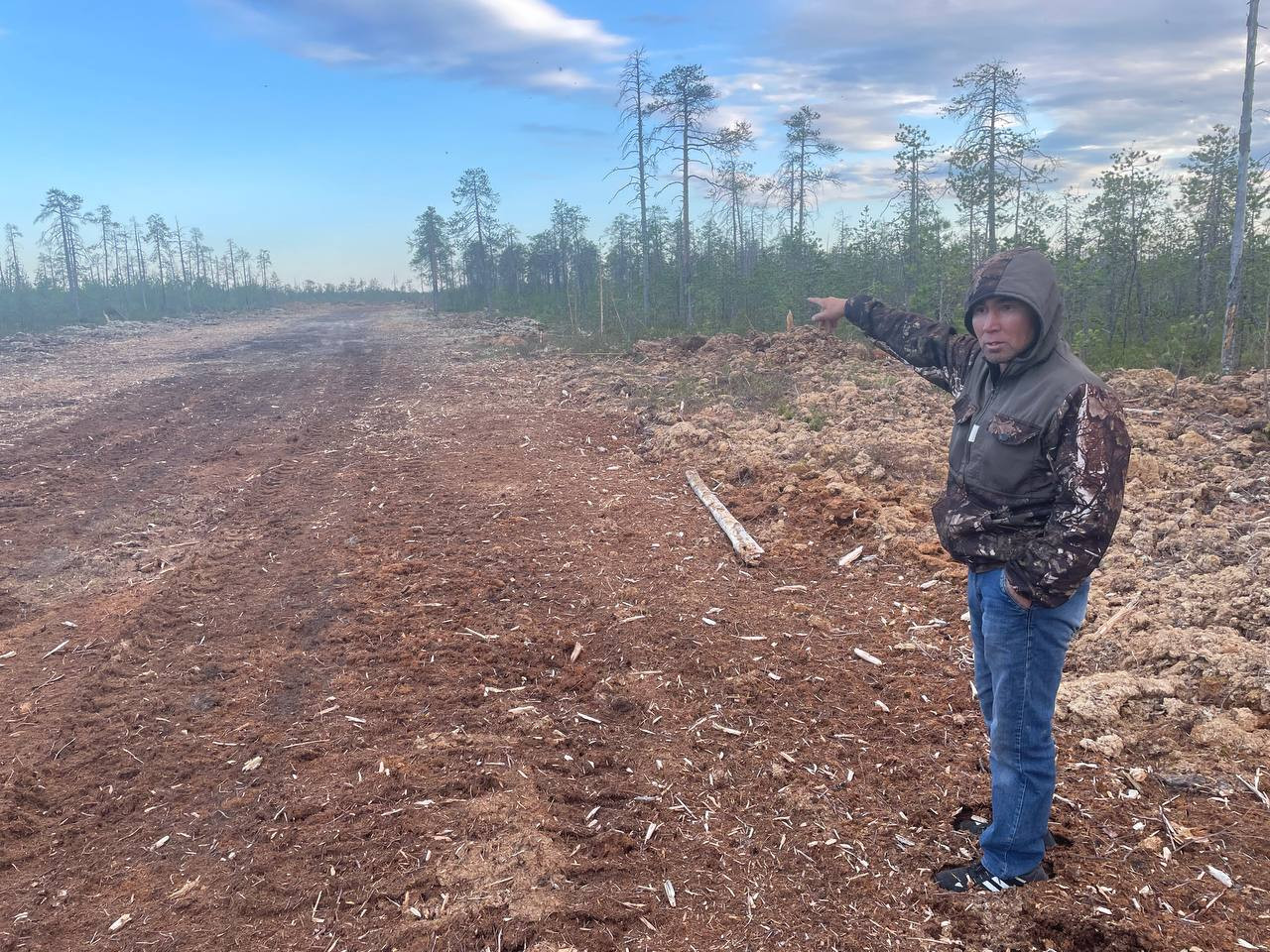
    “We are nobody here…” A report from Yugra, where oil workers are displacing the Khanty from their ancestral lands

    In the summer of 2024, human rights advocates from the “Public Radar” project appealed to Russian authorities with a proposal to amend legislation allowing industrial companies to exploit lands traditionally used by Indigenous peoples. This initiative stemmed from complaints by residents of the Khanty-Mansi Autonomous Okrug – Yugra, where oil companies have been building infrastructure on ancestral lands for decades without the owners’ consent.

    These ancestral lands, legally known as territories of traditional nature use, are granted to Indigenous peoples for activities like reindeer herding, fishing, and gathering berries and mushrooms. However, these communities do not have ownership rights over the land.

    Oil companies, by contrast, operate with few restrictions. Although regional laws require them to coordinate with Indigenous representatives before establishing infrastructure, refusal is not an option. The federal agency Rosnedra issues oil extraction licenses without considering the Indigenous stance. Therefore, negotiations often focus on compensation rather than consent.

    If any Indigenous community members refuse compensation and simply ask that no oil extraction occur on their land, the drilling proceeds regardless. The dissenters are told to file complaints, where the legal machinery of the oil corporations works against them.

    As a result, many Indigenous communities have resigned themselves to the situation. The bravest only fight for fair compensation, as the oil infrastructure not only occupies their land but often malfunctions, leading to oil spills. In places where oil contaminates the soil, reindeer cannot graze, and berries won’t grow.

    A correspondent from “Kedr” visited the ancestral lands in the Surgut district of Yugra to document how corporations are displacing Indigenous peoples from their territories.

    This article discusses the current struggles of the Indigenous peoples of Khanty-Mansi Autonomous Okrug: what they are fighting for and their current demands.

    We previously covered how the Khanty fought to protect their lands and way of life in past years, even pushing for a referendum to ban the expansion of oil drilling, only to be suppressed by the authorities, in our report “Oil – The Provider”.


    Forbidden Territory

    “You need to warn me to stop; I might forget and drive you straight to the checkpoint, and no one will get through. Russians aren’t allowed at the camps unless they’re oil workers,” said Anatoly Vandymov, a Khanty man, driving an old car through the taiga. We were headed 150 km from the village of Nizhnesortymsky to Anatoly’s ancestral lands, where he lives with his family and where his two dozen reindeer graze.

    Our party included Vandymov, me, and a guide named Oksana, with whom I would navigate the forbidden area. In the 2000s, the company Surgutneftegaz set up checkpoints and began restricting non-Indigenous residents from accessing oilfields and ancestral lands. Initially, this was done at the request of the Khanty themselves, who were frustrated by outsiders hunting and fishing. But over time, these restrictions turned against the Indigenous people: now, the Khanty need Surgutneftegaz’s permission even to visit neighboring ancestral lands where oil is being extracted.

    The journey from Nizhnesortymsky to the camp takes about two hours, a trip Vandymov makes several times a week to buy supplies. Anatoly, aged 40, is short and, like many Indigenous people, looks younger than his years. At home, his four children and wife wait for him, while his eldest son has already grown up and found a bride.

    Vandymov, like nearly everyone here, works for Surgutneftegaz as an inspector, checking for pipeline ruptures. According to Anatoly, locals are rarely promoted to higher positions within the company, and there’s no other work in Nizhnesortymsky that allows them to maintain their traditional lifestyle. Anatoly adds with a grin that he took the job at Surgutneftegaz to keep an eye on the oil workers and what they do on his land.

    In his spare time between shifts—two weeks on, two weeks off—Vandymov fishes, tends to his reindeer, and hunts.

    To enter Khanty ancestral lands, we had to pass through the oil company’s checkpoint, located halfway between the village and Vandymov’s lands.

    “The guards at the checkpoint are often rude to locals. There was an incident with my younger brother; they wouldn’t let him onto our lands because he was traveling with another Indigenous man whose lands are elsewhere. When my brother asked to see their documents, they told him he ‘wasn’t grown enough to ask for documents’—he’s 22! When he threatened to report their behavior, one of the guards said that if nothing happened after the complaint, he’d beat my brother up. How can they act like this? Whenever we complain or speak to the media, security becomes stricter, and the guards’ rudeness increases,” says Anatoly.

    Eventually, the security staff received a disciplinary talk, according to the company. Surgutneftegaz responded to Anatoly’s complaint by saying, “We conducted a preventative conversation with the security guards regarding inappropriate behavior towards citizens.”


    Non-Indigenous people who do not work in the oil industry are not allowed past the checkpoint—even to visit Khanty friends. The Khanty believe Surgutneftegaz fears environmentalists or journalists might infiltrate oil extraction zones. Indigenous people from other areas cannot pass the checkpoint without permission from the company’s Indigenous Affairs engineer.

    The car stops a couple of kilometres before the security checkpoint. From here, Oksana and I continue on foot through the burned forest, where a fire swept through last year. Our feet sink into the deep moss.

    Suddenly, a reindeer appears among the blackened trees. It has strayed from its herd and looks around nervously. Oksana tells me we must catch up and photograph it to find its owner, but the reindeer allows only a distant snapshot before fleeing at the slightest movement.

    Reindeer are not just livestock for the Khanty. Their hides are used for clothing, and they pull sleds through deep snow into the taiga.

    “Reindeer can live without humans, finding their food, like lichen. But they must be supplemented with grain or fish, and in summer, smoke is used to drive away mosquitoes,” says my guide.

    We eventually reach the road where Anatoly is waiting. The drive continues for another hour and a half. This industrial road was built by Surgutneftegaz, and the oil workers often remind locals that they benefit from it, though it wasn’t built for the herders but to transport employees and oil. There are about a hundred exploration wells, cluster pads, oil and gas extraction workshops, pipelines, and gas turbine power stations on Vandymov’s ancestral lands.

    Anatoly’s family has held these lands for three generations. He and his wife, mother, and brother’s family tend a herd of twenty reindeer. However, herding is becoming increasingly difficult due to expanding oil extraction.

    “We have few reindeer, but it’s hard to manage them because of the roads where they are often hit by cars, and the pollution. We’re forced to move farther away, but we have less and less land.”

    The oil workers bury domestic waste and spilled oil products near the well pads. During accidents, oil leaks are supposed to be cleaned up and removed, but the companies cut costs. When there’s a spill, they scrape off the top layer of soil and bury it nearby, contaminating the groundwater, explains Anatoly.

    The source: https://kedr.media/stories/my-zdes-nikto/

  • Just Transition Indigenous Summit will be held on October 8-10 in Geneva
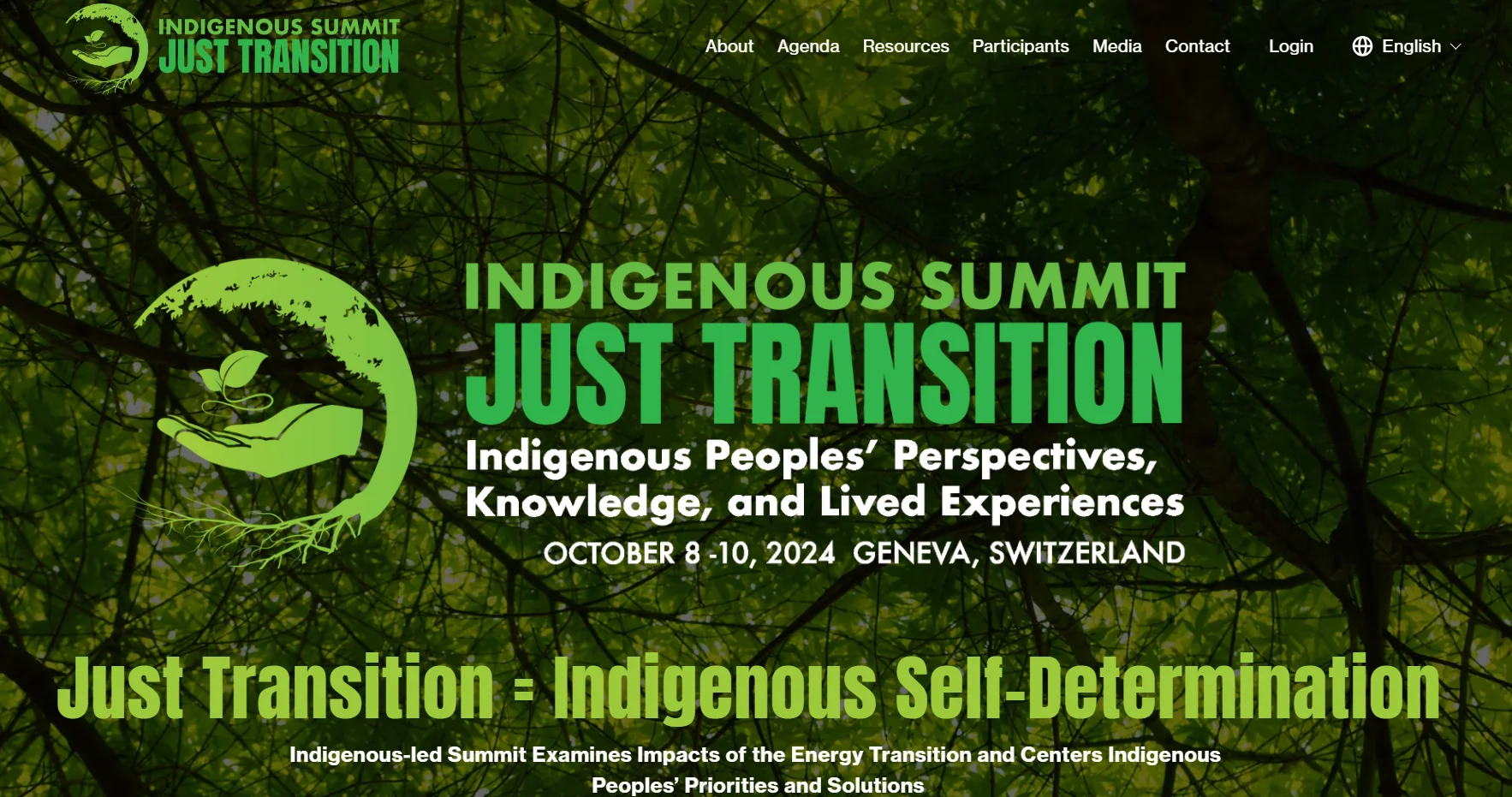
    Just Transition Indigenous Summit will be held on October 8-10 in Geneva

    The Just Transition Indigenous Summit aims to address the impacts of the energy transition on Indigenous communities and prioritize their perspectives and solutions. Scheduled for October 8-10, 2024, in Geneva, this summit will convene over 100 representatives from Indigenous groups across the globe.

    As governments and corporations pivot towards a low-carbon economy to address the climate crisis, there is often a neglect of the rights of Indigenous Peoples as defined in the United Nations Declaration on the Rights of Indigenous Peoples (UNDRIP). These rights include the principles of self-determination and Free, Prior and Informed Consent (FPIC). The summit intends to challenge conventional narratives regarding the Just Transition and underscore the necessity of integrating Indigenous values and rights into all phases of project development and implementation.

    The objective of the summit is to affirm a rights-based approach relevant to any extractive projects proposed on Indigenous lands. It will establish criteria and safeguards that align with the principles of Just Transition. Discussions will focus on ensuring that projects do not replicate the harms associated with fossil fuel extraction and other traditional resource developments.

    This summit represents a significant gathering where Indigenous Peoples from seven socio-cultural regions will unite to collectively redefine the Just Transition and the notion of a “Green Economy” from their distinct perspectives.

    Rodion Sulyandziga, Chair of the Indigenous Peoples Global Coordinating Committee, emphasizes the importance of Indigenous-led initiatives within the broader context of environmental policy and resource management, underscoring the commitment to the protection and upliftment of Indigenous voices in the transition to a sustainable future.

    The Just Transition Indigenous Summit serves as a pivotal platform for advocating the rights of Indigenous Peoples, driving forward their priorities and contributions in the ongoing movement towards a more equitable and sustainable global economy.

  • Greed wins: gold miners massively pollute Russian rivers
    Greed wins: gold miners massively pollute Russian rivers

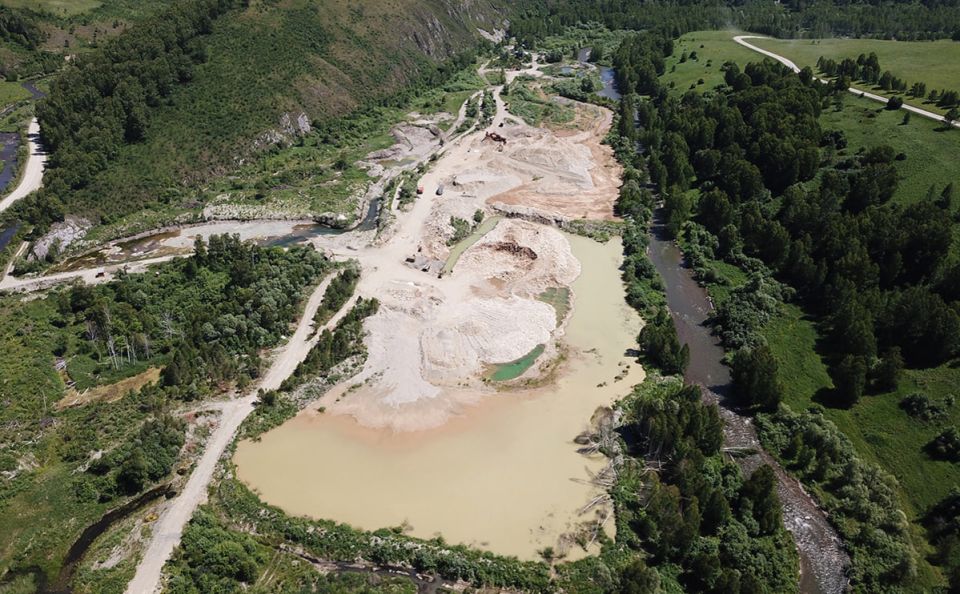
    In June, 231 cases of river pollution caused by suspended substances downstream from placer gold mining sites were documented on the Siberian and the Far East rivers. This pollution extended over 10,761 kilometres, as reported in an interim analysis by the Center for Satellite Monitoring and Civil Control (CSMiGK) available to the “Zolotari” project. Environmentalists describe it as the most extensive pollution from gold mining activities observed in recent years.

    As mentioned by Kedr.Media and Alexander Kolotov, the satellite images decrypted and analyzed by CSMiGK specialists revealed that between June 1 and June 30, there were 105 cases of river pollution in the Amur region, spanning 3,352 kilometres; 43 cases in Krasnoyarsk Krai, covering 2,750 kilometres; 36 cases in the Kemerovo region, covering 2,909 kilometres; 27 cases in Zabaykalsky Krai, spanning 1,444 kilometres; 14 cases in the Jewish Autonomous Region, covering 266 kilometres; and 6 cases in Khabarovsk Krai, spanning 40 kilometres.

    “The extensive nature of these environmental violations on the gold-bearing rivers of Siberia and the Far East clearly shows that greed is triumphing over nature, and the state has yet to counter this,” commented Alexander Kolotov, director of the “Conservation of Siberia and the Far East” foundation, regarding the satellite monitoring results. “If hundreds of gold mining licenses are issued each year without the ability to monitor their use, the outcome is predictable: isolated inspections and fines simply lose their effectiveness.”

    Kolotov explained that as placer gold mining became highly profitable due to rising gold prices, gold miners largely ignored environmental restrictions, assuming that the potential profits would more than cover any fines. “This is why we see murky streams stretching downstream from gold mines for tens of kilometres almost without interruption in the satellite images,” noted the environmentalist. “This situation can only occur when gold mining waste is intentionally discharged into the river without regard for environmental oversight by the state.”

    From May 15 (the start of satellite monitoring) to June 30, the Center for Satellite Monitoring and Civil Control recorded a total of 308 instances of river pollution with suspended substances downstream from placer gold mining sites, with the total length of identified pollution reaching 13,544 kilometres.

    Photo by abnews.ru

    Also, it is important to heed this observation by environmentalists: “Murky streams extend downstream from gold mines for tens of kilometres almost uninterrupted,” as noted by the environmentalist. “This is only possible when gold mining waste is intentionally discharged into the river without any consideration for environmental oversight by the state.” Another significant statement is: “Gold miners have largely stopped complying with environmental regulations because they anticipate that potential profits will outweigh any fines.”

    This means a long-term loss of drinking water and fish in these rivers for indigenous peoples. And not just during the years when gold mining cooperatives are active on the rivers, but for hundreds of years. Fish cannot reproduce in murky streams. As is well known, the fish stocks of Alaska’s gold-bearing rivers that do not flow into the sea have not recovered since the gold rush.

    Therefore, it is no surprise that Rosprirodnadzor (Federal Service for Supervision of Natural Resources of the Russian Federation) imposed such a large fine on Norilsk Nickel, with the largest portion attributed to potential damage to aquatic biological resources.

    It’s easier to deal with a large violator who is always in the public eye. But gold mining cooperatives are only fined small amounts, and only after the discovery of some pipe discharging waste into the river. This is one of thousands of such pipes. And it’s generally difficult to detect and prove the mass instances of machinery entering the rivers.

    However, the Center for Satellite Monitoring and Civil Control has recorded hundreds of violations and thousands of kilometres of murky water in rivers downstream from licensed sites.

    This is a serious reason for indigenous peoples, along with concerned local populations, to appeal to the Government and the State Duma with a demand to improve the relevant laws on placer gold mining. These laws should regulate the issuance of hundreds of licenses and prevent the mass pollution of rivers, which causes enormous and potentially long-term damage to aquatic biological resources and the nation’s food security.

    Many regional indigenous organizations and local environmental groups from Murmansk to Kamchatka could support such a public initiative.

    Photo by Alexey Gribkov

  • How Russia Implements the Free, Prior and Informed Consent Principle
    How Russia Implements the Free, Prior and Informed Consent Principle

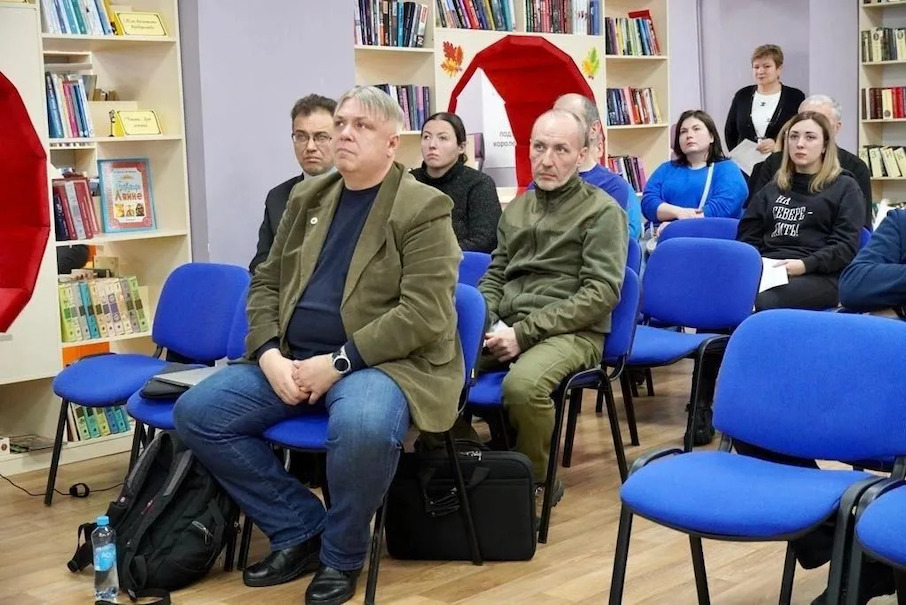
    On November 12, in the village of Lovozero in the Murmansk region, a public discussion was held on a project for the reorganization of the Seidyavvr nature reserve.

    The Seidyavvr Nature Reserve

    The Seydyavr State Nature Reserve — with a total area of 17,972 hectares — was founded in 1982 by the decision of the Executive Committee of the Murmansk Regional Council of People’s Deputies in order to preserve the natural environment, natural landscapes and cultural sites of the Murmansk region.

    Valuable game animals and their habitats are protected on the reserve, along with important historical and cultural sites of the Saami people. Located within the boundaries of Seydyavr is Lake Seydozero, a unique landmark of the Murmansk region.

    Lake Seydozero. Photo: vsegda-pomnim.com

    Three forms of whitefish inhabit the lake and spawn at different times of the year, ensuring a steady supply of fish. On the slopes of the mountains surrounding the lake there are unique mineral deposits. Certain endangered lichens, mosses and vascular plants grow here.

    The Sacred Lake of the Saami People

    In the Seydozero valley, there are several sites of historical and religious significance to the Saami people. Saami legends say that a giant named Kuyva lived in ancient times in the Lovozero tundra. Kuyva robbed and killed the Saami, for which he was destroyed by the Saami pagan gods – “burned by lightning that struck from the waters of the lake.” On a cliff face next to Lake Seydozero, in the coloring of the rocks, there appears a huge humanlike figure which, according to legend, is the imprint of Kuyva’s burned body. The imprint is known as a “seyd” and is formed by cracks and aquifers of natural origin in the rock of the Kuyvchorr plateau facing the lake.

    Translated from the Saami language, Kuyva means “old man.” “Kuyva at Seydozero enjoys special honor from the Seydozero Lapps,” the ethnographer Vladimir Vize (1886–1954) once wrote. “Sailing on a karbass past Kuyvchorr, the Lapps are afraid to shout loudly or swear, for fear that the ‘Old Man’ will be angry. The Lapps avoided dirtying the water in Seydozero because ‘the old man doesn’t like it, and otherwise he won’t give fish.’” While the 74-meter Kuyva seyd is the most famous attraction at Seydozero, there are two other seyds in the area.

    Kuyva seyd. Photo: turclub-pik.ru

    In accordance with decree number 894-PP of the regional government of Murmansk Oblast, dated December 6, 2021, the following is prohibited on the territory of the nature reserve: the withdrawal of land from the fund of protected forest; diverting water; any felling of trees, with the exception of thinning young forests and selective sanitation cuttings; the exploration and development of mineral deposits; the allocation of protected land for any type of use, any change of land category or other activities that contradict the goals of the reserve and cause harm to the natural environment.

    In 2001–2012 an additional study of the territory of the reserve was carried out, on the basis of which it was proposed to include the Seydyavr reserve in the Khibiny National Park being designed at that time, specifically in the area known as Luvyavr. However, when Khibiny was finally created in 2018, Lovozero was not a part of it.

    Why Was the Nature Reserve Reorganized?

    On March 3, 2022, the regional government of Murmansk Oblast approved a new concept for the functioning and development of its network of specially protected natural areas, in which it was planned to change the special protection regime of Seydyavr. The regional government decided that instead of a nature reserve, they needed a natural park.

    Pic. 1. The planned Seydyavr natural park. Image: INEP KSC RAS.

    To justify the reorganization of the Seydyavr state nature reserve into a national park, the Institute of North Industrial Ecology Problems, which is part of the Kola Scientific Center of the Russian Academy of Sciences, conducted a comprehensive environmental survey of its territory. The result of their work was the research report “Survey and justification for the reorganization of the state nature reserve of regional significance Seydyavr into a nature park of the same name.”

    The authors of the study write that in recent years, uncontrolled recreational pressure on the territory has increased, the number of forest plots leased for recreational purposes has increased without taking into account the conservation value of these sites or their role in public recreation, and the volume of geological exploration has increased. The report goes on to say that “these trends may have a significant impact in the coming years,” and the environmental and recreational significance of the Lovozero mountain range will be largely lost.

    Therefore, it is necessary to change the category of the Seydyavvr reserve into a nature park, which will allow for the functional zoning of the protected area, expand its boundaries, include additional territories “with intact natural communities,” remove “unjustified restrictions for the development of nature tourism,” and provide “necessary regulation of the growing flow of tourists.”

    The authors of the study did not hide the motivations prompting this reorganization. They are specified in chapter 2 of the document “Goals and reasons for the reorganization…”

    • inclusion of intact natural communities within the boundaries of protected areas and ensuring the protection of a complex of plant and animal species associated with them, including those listed in the Red Books [i.e. endangered species lists] of Russia and / or the Murmansk region;
    • changing the type and regime of existing protected areas, zoning: removal of unjustified restrictions for the development of nature tourism, the regime for each of the functional zones must correspond to the tasks that this zone performs;
    • formation and regulation of tourist flows in the territory: visits by a large number of people should not lead to the destruction of ecosystems and the destruction of natural and historical objects and complexes;
    • ensuring the sustainable functioning of the principal employer and economic driver of the Lovozero district — the Lovozero mining and processing plant.

    Looking at a map of the planned natural park superimposed on the map of the existing reserve, it seems that the initiators of the reorganization plan to significantly increase the territory of the protected area.

    Pic. 2. The current nature reserve Seydyavr and the planned nature park Seydyavr. Image: INEP KSC RAS.

    However, upon careful study of the attached project maps, it becomes clear that the actual specially protected natural areas, i.e. the zones intended “to preserve the environment in its natural state with the complete exclusion of economic impacts,” will be only a small part of the current Seydyavr reserve (see the map in Fig. 3 below — highlighted in dark red).

    At the same time, according to the organizers, almost half of the planned natural park should be a so-called recreational zone, where the regional government wants to develop tourism (highlighted in light green in Fig. 3). The recreational zone will include the whole of Lake Seydozero, on the banks of which the Kuyva seyd is located.

    Pic. 3. Proposed zoning of the projected Seydyavr nature park. Image: INEP KSC RAS.

    Not the First Try

    This is not the first attempt by the Murmansk Oblast regional government to expand the tourist (recreational) potential of the reserve. Several years ago, the leadership of the regional ministry of natural resources and ecology, together with two other organizations — the Clean Seas International Environmental Fund and LLC Made in the Arctic — appealed to the federal Ministry of Natural Resources and the Arctic Council with a request to support for a project to reconstruct an ancient Saami settlement and turn it into an educational cultural and environmental center. The organizers wanted to request about a million euros from the Arctic Council for the implementation of this project.

    Some Saami leaders spoke out against the initiative to develop tourism at Lake Seyodozero, which is sacred to the Saami people. Several appeals were sent to the federal Ministry of Natural Resources and the Arctic Council, including from the Aboriginal Forum — an informal association of experts and leaders of public organizations of the indigenous peoples of the North, Siberia and the Far East — and from the Saami Heritage and Development Foundation with a request to postpone the decision on the implementation project prior to separate consultations with the Saami community.

    After the foreign participants of the Arctic Council began to ask uncomfortable questions, the authorities of Murmansk Oblast organized public consultations in Lovozero and even enlisted the support of representatives of official Saami organizations loyal to the Russian authorities. But in the end, the project did not receive funding from the Arctic Council and stalled.

    However, the new initiative of the Murmansk officials shows that they have not abandoned the idea of turning the Saamis’ sacred lake into a tourist attraction.

    The Lovozero Mining and Processing Plant and Military Electronics

    Another reason for the reorganization of the reserve, which is directly indicated by the authors of the aforementioned study meant to justify the project, is to “ensure the sustainable functioning” of the Lovozero mining and processing plant. It is not entirely clear how this can be reconciled with the goal of environmental protection, for which specially protected natural areas are normally created.

    According to the Federal Law on Specially Protected Natural Areas – “specially protected natural areas are plots of land, water surfaces, and the airspace above them, where natural complexes and objects are located that have a special environmental, scientific, cultural, aesthetic, recreational or health significance, which are withdrawn by decisions of the state agencies wholly or partly from economic use and for which a special protection regime has been established.” Note that this law has nothing to do with providing assistance to mining enterprises.

    According to the proposed zoning of the new nature park, a significant area is going to be allocated to a so-called “special nature protection zone” and a “special zone of traditional economic use” (highlighted in pink in Pic. 3, as well as the striped area in the northwestern or upper left corner). The attached draft regulations for the new park propose allowing subsoil use in these zones.

    The Lovozero Mining and Processing Plant LLC is a Russian producer of raw materials for the production of rare and rare earth metals, primarily loparite concentrate. The enterprise is a mining and processing complex, consisting of an underground mine and a processing plant.

    Rare earth and rare metals serve as raw materials for innovative technologies. The volume of production and consumption of these metals is an indicator of the development of an industry as a whole and its innovative component in particular. Rare earth metals are widely used in the production of optics, solar cells, capacitors, electronics, special alloys (super hard, heat-resistant, corrosion-resistant alloys), and semiconductors, as well as in the nuclear industry and other innovative and high-tech industries. They are also critical raw materials for the defense industry.

    Russia has enormous reserves of rare earth metals, but most of the deposits are difficult to access and lack the necessary infrastructure for their development. Lovozero, however, has large alkali deposits in a favorable geographic position.

    In November, the independent Russian media outlet Novaya Gazeta published a major investigation into the nationalization in Russia of a significant number of attractive assets, which have subsequently ended up under the control of companies close to the Russian authorities. According to Novaya Gazeta, the privatization of the Lovozero plant has been declared invalid, and the plant is to be managed by the state nuclear energy corporation Rosatom.

    Whether or not the nationalization of the Lovozero plant is related to Western sanctions — and to the resulting shortage of electronic components needed by Russia, including for the production of weapons — is unknown. But some experts claim that at present the Lovozero plant is the only supplier of raw materials for the rare earth metals niobium and tantalum in the Russian Federation, while “against the backdrop of the rapid severance of external relations with the West, Russia urgently needs to organize its own production of permanent magnets, including for the needs of portable military electronics.”

    Photo provided by the Ukrainian military showing a component from a Russian missile. Photo: reuters.com

    And so questions remain unanswered about the reorganization of the reserve into a nature park. How did the need to ensure “the sustainable functioning of the principal employer and economic driver of the Lovozero district” become one of the official goals of the reorganization? Is this decision related to Western sanctions and the shortage of chips and electronics, as well as the “necessity” of continuing Russia’s “special military operation” against Ukraine?

    And most importantly — why is the reorganization of the reserve necessary at all? If changes are necessary, is it possible to consider other alternatives and introduce them into the current regulation on the reserve?

    Concern for Indigenous Peoples?

    Although ensuring the rights of the Saami population is not the main goal of the reorganization, according to the authors of the aforementioned study, among the goals and objectives are:

    • “the preservation of the original habitat, traditional way of life, economic activity and crafts of the indigenous minority people of the North — the Saami”
    • “the preservation of the natural conditions for the conduct of economic activities and crafts of the indigenous minority people of the North — the Saami, including fishing, in order to ensure the traditional way of life and the implementation of traditional economic activities of representatives of the indigenous small people of the North the Saami (hereinafter referred to as traditional fishing)”
    • “ensuring the preservation of sites of historical and cultural value”

    To this end, it is assumed that “within the framework of the management of the nature park, the managing agency should take into account the vital interests of the Saami indigenous people of the North in matters of the protection and rational use of natural resources and the preservation of their original habitat within the boundaries of the nature park.”

    Representatives of the local Saami have already had conflicts with the leadership of the existing reserve. For example, Saami activist Andrey Danilov has written that in 2017, a Saami family was not allowed to visit the sacred Lake Seydozero while park employees freely let tourists through. Subsequently, the management of the reserve clarified its position — organized and paid tourists have the right to visit the territory of the reserve on snowmobiles, while the Saami also have the right to visit their sacred places, but only on foot.

    A group of tourists at Lake Seydozero, 2017. Photo: drive2.ru

    All of the above points in which the initiators of the reorganization show “concern” for the indigenous people of Murmansk Oblast, however, are already listed in one way or another in the regulations on the existing reserve:

    • “the preservation of the original habitat and traditional way of life of the Saami people”
    • “the preservation and development of the original culture of the Saami people”
    • “the protection of the original habitat and traditional way of life of the indigenous Saami people, the preservation and development of the original culture of the Saami people, including:
      • a) conducting traditional environmental management by representatives of indigenous peoples;
      • b) the revival of previously existing types of traditional environmental management in this territory;
      • c) ensuring the safety of sites of historical and cultural heritage, including places of worship, places of ancient settlements of cultural, historical, religious value;
      • d) ensuring the use of objects of historical and cultural heritage within the reserve in accordance with their purpose;
      • e) the revival and development of folk crafts, the production of souvenirs and artistic and decorative products.”

    Whether or not there is a guarantee that the directorate of the new nature park will have a better attitude towards the rights of the Saami than the old directorate of the reserve is also an open question.

    “Free”, “Prior” and “Informed” Consent?

    Recently, the Russian authorities and propagandists under their control have been aggressively promoting internationally the idea that Russia takes very seriously the need to obtain Free, Prior and Informed Consent (FPIC) from indigenous peoples. Several months ago, Norilsk Nickel implemented a project to obtain FPIC from residents of the Tukhard settlement (Taimyr, Krasnoyarsk Territory) in order to evict them from the industrial zone of the oil and gas company Norilsk Gazprom, and it was widely advertised at various international platforms.

    Participants of the Eastern Economic Forum Andrey Grachev (left), Vice President for Federal and Regional Programs of Norilsk Nickel, and Grigory Ledkov (right), member of the Federation Council of the Russian Federation, President of the Association of Indigenous Minorities and the Far East of the Russian Federation; Andrey Grachev and Igor Barinov, head of the Federal Agency for Ethnic Affairs of the Russian Federation. Vladivostok, September 2022. Photo: Norilsk Nickel press office

    At the Eastern Economic Forum held in Vladivostok in September, Andrey Grachev, Vice President of Federal and Regional Programs at Norilsk Nickel, said that FPIC is “a part of our corporate culture.” The head of the Federal Agency for Ethnic Affairs, Igor Barinov, praised the company’s cooperation with the indigenous peoples of Taimyr even more highly: “Their corporate project to support the indigenous peoples of the North is probably one of the best in the world, and there may be nothing else like it.”

    Antonina Gorbunova, a member of the UN Expert Mechanism on the Rights of Indigenous Peoples, Executive Director of the International Public Organization of the Indigenous Peoples Union, presenting the same case on the implementation of the FPIC principle in Taimyr at the meeting of the UN Permanent Forum on Indigenous Issues in New York in May this year, noted that “FPIC is not only a result but, no less importantly, a process. A process of building relationships of trust, a process aimed at ensuring that the voice and opinion of indigenous peoples in the development and implementation of programs and projects should be heard and fully taken into account.”

    The member of the UN Permanent Forum on Indigenous Issues from Russia, Alexei Tsykarev, said in an interview of the project implemented by Norilsk Nickel in Tukhard that “if this project is not included in textbooks on jurisprudence, then it will definitely be included in studies on how FPIC is developing in the world.”

    Participants of consultations within the framework of the FPIC procedure in Taimyr (from left to right): Antonina Gorbunova, Vasily Zakharov (Advisor to the Deputy Director for Regional Policy and Corporate Projects of the Norilsk Nickel Company), Mikhail Todyshev (Head of the public movement Council of Elders of the Shor People of Kemerovo Oblast), Alexey Tsykarev

    These are just a few examples, but there are hundreds of such publications online about Norilsk Nickel and the “Voluntary, Prior and Informed” Consent of Indigenous Peoples. Thanks to Russian propaganda and Norilsk Nickel’s international PR campaign, the resettlement project for Tukhard residents has become a key project for Russia as part of its chairmanship of the Arctic Council.

    Much less is said during such public presentations about the fact that the residents of the village did not have the opportunity to make any decision other than “voluntary” resettlement, since, in accordance with amended Russian legislation, permanent residence in the industrial (sanitary) zones of such enterprises has been prohibited.

    In light of all this, the public discussions in Lovozero are a clear example of how such procedures are actually carried out in Russia. No one, of course, makes a separate agreement with the indigenous peoples. Everything is done within the framework of procedures determined by law, and indigenous peoples may or may not participate in public discussions.

    Due to the remoteness of some settlements and poor communications, indigenous peoples most often learn about such discussions after the fact, when all decisions have already been made, and heavy equipment has already begun to work on their traditional lands.

    But let’s return to the reorganization of the Seydyavr nature reserve. On October 19, the regional Ministry of Natural Resources, Ecology and Fisheries in Murmansk Oblast published an announcement that it would hold public discussions “in order to ensure the participation of citizens, public associations and non-profit organizations, as well as to take into account public opinion.” The discussions took place in the village of Lovozero on November 12, and proposals and comments from the public, including from the Saami, were accepted until November 18.

    But how, in such a short time, could unprepared listeners, including Sami reindeer herders and fishermen, understand a rather complex, technical, 170-page document, conduct an internal discussion, develop their position and prepare well-founded proposals? The question is rhetorical.

    This is how they implement the harsh Russian FPIC.

    Dmitry Berezhkov, Editor-in-Chief of Indigenous Russia

    Source

    Appendices:

    1. November 2022 Cadastral report on specially protected natural areas the state natural reserve of regional significance “Seydyavr”
    2. October 2022 report on research on the topic “Survey and justification for the reorganization of the state nature reserve of regional significance “Seydyavr” into the natural park of the same name.” Book 2. Materials of a comprehensive environmental survey of areas of the territories, justifying the change in the special protection regime of the state natural complex reserve “Seydyavr” (change of category, functional zoning, area and boundaries)
    3. May 2017 Andrey Danilov demands free access to Seydozero
    4. May 2017 The Saami were forbidden to visit a sacred place!!!!
    5. March 2017 Letter from the Deputy Minister of Natural Resources and Ecology of Murmansk Oblast O. A. Nosareva to E. Konoplyanko, the Deputy Secretary of Aboriginal Forum, an informal association of experts and leaders of public organizations of indigenous peoples of the North, Siberia and the Far East, on the implementation of the project “Reconstruction of the settlement of the ancient Saami and the creation of a cultural and educational environmental center on its basis” in the Lovozero district of Murmansk Oblast
    6. March 2017 The Saami opposed the reconstruction of the ancient settlement on Lake Seydozero
    7. March 2017 Minutes of public consultations on the implementation of the project “Reconstruction of the settlement of the ancient Saami and the creation of a cultural and educational environmental center on its basis” in the Lovozero district of Murmansk Oblast
    8. March 2017 Appeal of the Aboriginal Forum on the construction of the ethnographic village Seydyavr
    9. February 2017 Letter from the Ministry of Natural Resources and Ecology of Murmansk Oblast (“to the mailing list”) – announcement of the discussion of the project of the International Environmental Fund “Clean Seas” – “Reconstruction of the settlement of the ancient Saami and the creation of a cultural and educational environmental center on its basis”
    10. January 2017 The letter of Andrey Danilov to ACAP (the Arctic Council working group) chair
    11. August 2016 Letter from the head of the International Environmental Foundation Clean Seas V. A. Bogoslovsky to the Director of the Department of International Cooperation of the Ministry of Natural Resources and Ecology of the Russian Federation N. R. Inamov with a request to provide support in obtaining a grant from the Arctic Council for the implementation of the project “Reconstruction of the settlement of the ancient Saami and the creation of a cultural and educational environmental center on its basis”. Appendices:
      1. August 2016 Appendix. The project of the International Environmental Foundation “Clean Seas” – “Reconstruction of the settlement of the ancient Saami and the creation of a cultural and educational environmental center on its basis”
      2. August 2016 Appendix. The budget of the project of the International Environmental Fund “Clean Seas” – “Reconstruction of the settlement of the ancient Sami and the creation of a cultural and educational environmental center on its basis”
      3. August 2016 Supplement to the application for the implementation of the project “Reconstruction of the settlement of the ancient Saami and the creation of a cultural and educational environmental center on its basis” (performer LLC Made in the Arctic). Coordination with Lovozero District National Cultural Center and the public organization of the Saami of Murmansk Oblast
    12. June 2016 Letter from the Minister of Natural Resources and Ecology of the Murmansk Region E. V. Makarova to the Director of the Department of International Cooperation of the Ministry of Natural Resources and Ecology of the Russian Federation N. R. Inamov with a request to provide support in obtaining a grant from the Arctic Council for the implementation of the project of the International Environmental Fund Clean Seas – “Reconstruction of the settlement of the ancient Saami and the creation of a cultural and educational environmental center on its basis”
    13. April 2016 Lovozerskaya Pravda. Interview with the head of the directorate of specially protected natural areas of Murmansk Oblast Vladimir Khrutsky: “There are no restrictions on visiting Lake Seydozero.”
    14. April 2016 Lovozerskaya Pravda. Valery Tkachev “Everyone has an interest in preserving Seydozero”
    15. January 2016 Map of the state nature complex reserve Seydyavr
    16. October 2005 Regulations of the state nature complex reserve Seydyavr
  • Protector not prisoner: Exploring the rights violations & criminalization of Indigenous Peoples in climate actions
    Protector not prisoner: Exploring the rights violations & criminalization of Indigenous Peoples in climate actions

    “Indigenous peoples are vital actors in climate solutions. Responses to the climate crisis should be based on partnership with Indigenous peoples as stewards of nature and protectors of our biodiversity. We must stop the criminalization of Indigenous peoples and respect their collective and individual rights.”

    Joan Carling, Global Director, Indigenous Peoples Rights International

    The climate crisis is one of the most critical and complex issues our planet and its people face. Indigenous peoples are at the forefront of environmental protection and addressing this crisis, managing over 20% of the Earth’s land surface and 80% of its biodiversity. Drawing upon thousands of years of expertise in environmental stewardship, Indigenous peoples are vital leaders in the fight to protect our planet. They are also among the first groups to experience the direct consequences of climate change, despite having contributed very little to its causes. Ensuring the effective participation of Indigenous peoples in climate actions has been detailed in numerous international agreements, including the Paris Agreement.

    Unfortunately, some projects enacted with the aim of mitigating climate change and achieving the Sustainable Development Goals (SDGs) are threatening the rights of Indigenous peoples, including their collective rights to land, territories, and resources; food; water; free, prior, and informed consent (FPIC); and cultural traditions and customs. This includes wind, hydropower, biofuel, geothermal, forest and biodiversity conservation projects, as well as mining of transition minerals, such as cobalt, lithium, copper, manganese, nickel and zinc, needed to produce renewable energy technologies – from wind turbines to solar panels to electric vehicles.

    In addition, as they take legitimate action to defend their lands, territories and resources and protect their fundamental rights from harms associated with business and state projects, including those with intended benefits for the climate, Indigenous peoples face retaliation from state and non-state actors.

    Solutions to the global climate crisis need to be consistent with the respect and protection of human rights to be sustainable. Disregarding the rights of Indigenous peoples in the race to a decarbonized economy by 2050 will result in numerous human rights violations and will continue to fuel opposition, conflict, and result in delays to projects and achieving our global climate and SDG targets.

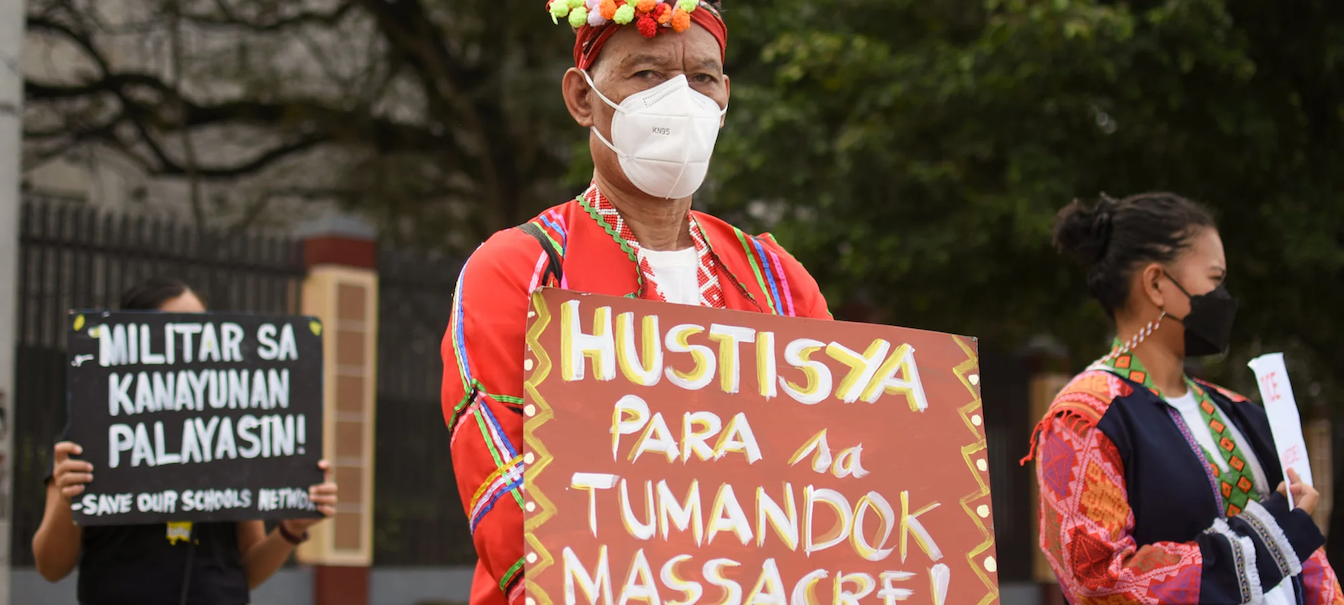
    This briefing, co-published with Indigenous Peoples Rights International, explores how climate actions which do not center human rights have been harmful to Indigenous peoples, as well as the scale of attacks Indigenous defenders face when protecting their lands, territories, natural resources, and communities from such projects. It also provides examples of Indigenous resistance to harmful climate actions in Kenya, the Philippines, Russia, Peru, Nepal, Indonesia and Norway, as well as related legal decisions upholding the rights of Indigenous communities.

    Key findings:

    ● Between January 2015 and August 2022, we tracked 883 attacks on Indigenous human rights defenders, including killings, threats, arbitrary detention, and strategic lawsuits against public participation (SLAPPs).

    ● Although Indigenous peoples comprise approximately one in 17 (6%) of the world’s population, nearly one in five (20%) attacks globally since 2015 have been against Indigenous human rights defenders.

    ● Nearly all (95%) of attacks against Indigenous defenders between January 2015 – August 2022 were on climate, land, and environmental defenders, compared with just two-thirds (63%) for non-Indigenous defenders. This data helps show how Indigenous peoples play an outsized role in the protection of land, water, and forests and the disproportionate risks they face.

    ● Between January 2015 – August 2022, 75% of attacks against Indigenous defenders occurred in Latin America, followed by Asia-Pacific with 18% of attacks. The highest numbers of attacks against IHRDs occurred in Honduras, Peru, Mexico, Guatemala, Brazil, the Philippines, and Colombia.

    ● During the same period, killings represented 29% of attacks on Indigenous defenders, compared with 16% for non-Indigenous defenders.

    ● At least 134 attacks out of the 883 attacks we recorded against Indigenous defenders related to renewable energy projects, including hydropower, wind, and solar.

    ● We tracked 495 allegations of human rights abuses related to transition minerals between 2010-2021. Between 2010-2021, 148 attacks against defenders related to the mining of transition minerals; one-third of these attacks were against Indigenous defenders.

    Source

  • Yana Tannagasheva’s statement at EMRIP 15th session. Agenda #3 “Study on Treaties, agreements and other constructive arrangements, between indigenous peoples and States”
    Yana Tannagasheva’s statement at EMRIP 15th session. Agenda #3 “Study on Treaties, agreements and other constructive arrangements, between indigenous peoples and States”

    ITEM 3: Study on Treaties, agreements and other constructive arrangements, between indigenous peoples and States, including peace accords and reconciliation initiatives, and their constitutional recognition

    EMRIP 4-8 July 2022

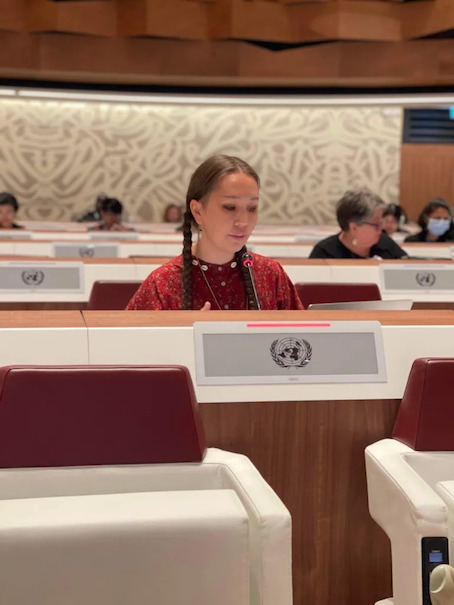
    Oral statement of Ms. Yana Tannagasheva on behalf of Society for Threatened Peoples / International Committee of Indigenous Peoples of Russia (ICIPR)

    Thank you Mr/Madam Chair.

    As a representative of the Shor People from southwestern Siberia, who has been directly affected by the Russian regime and coal mining companies, I want to draw your attention to the violations of the rights of indigenous peoples by the Russian authorities and mining companies.

    Unfortunately, no treaties regarding indigenous peoples are in force in the Russian Federation. A vivid example of this is the Kazas village in Kemerovo region, where I am from. The village was burned down by the coal company 8 years ago. The case of this village and violations of the Shor people rights was considered by the Committee on the Elimination of Racial Discrimination. The concluding observations of the Committee were addressed to Russia: to restore the rights of the Shor people. However, the rights of the Shors continue to be violated by coal and gold mining companies, and the Russian authorities have both lied in their reports and continue to provide false information. Moreover, the Russian regime is increasing pressure and repression on those representatives of indigenous peoples who openly fight for their lands, territories, the right to self-determination and, in general, openly express their position.

    I express concern that the Russian authorities and mining companies are manipulating representatives of indigenous peoples, using their vulnerable position to promote the state policies and propaganda both on national and international level. This applies, for example, to the Norilsk Nickel company, whose accident occurred in 2020, which became the largest oil spill in the Russian Arctic. This caused irreparable harm to the living environment of the indigenous peoples of Taimyr, negatively affects their nutrition, health, and psychological state, especially women and children. Today, the Russian authorities and Norilsk Nickel are trying to set a positive image of interaction with indigenous peoples at the international level by promoting the implementation of the FPIC principle. However, the indigenous peoples who live there tell us otherwise.

    In general, the poor situation of the Indigenous Peoples of Russia was difficult even before the war, but now it has only worsened. Today in Russia it is almost impossible and dangerous to speak openly, to express your position freely. Indigenous peoples are criminalized in various contexts. Threats and harassment are more often directed against persons involved in the protection of environmental rights, land rights, and recently against those who openly protest against the war with Ukraine.

    In conclusion, Mr/Madam Chair, I would like to recommend:

    • Request the UN Special Rapporteur on the rights of indigenous peoples to pay special attention in future reports to the situation of the indigenous peoples of Russia, controversial situations, the implementation of the recommendations of treaty bodies, and also to investigate issues related to the criminalization of representatives of indigenous peoples who protect their lands, territories, resources.
    • Recommend to the Human Rights Council that the mandate of a Special Rapporteur on the situation of indigenous peoples in situations of interstate conflict be established. And also include the UN Declaration on the Rights of Indigenous Peoples in the list of standards of the universal periodic review.

    Thank you for your attention!

  • B.C. Fails to Meet Indigenous Consent Standard for Mining — 8 Recent Cases
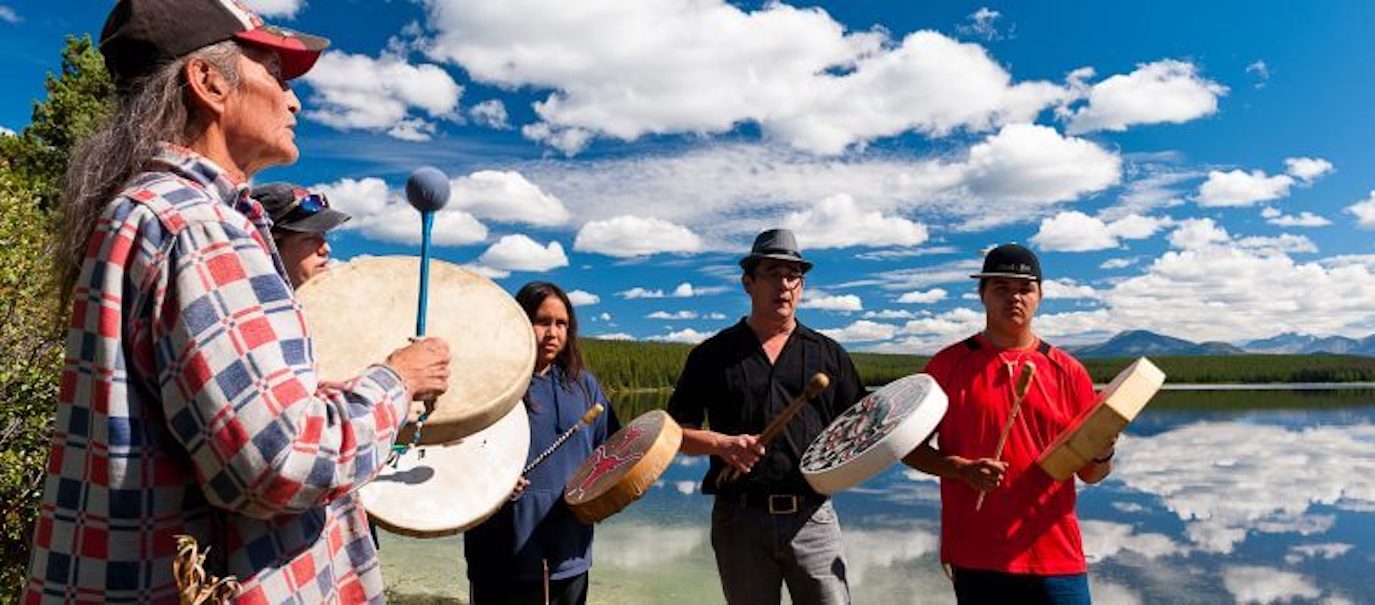
    B.C. Fails to Meet Indigenous Consent Standard for Mining — 8 Recent Cases

    Vancouver/Ottawa – December 6th, 2021. In a new backgrounder report, MiningWatch Canada and the BC Mining Law Reform network conclude that British Columbia fails to meet the Indigenous consent standard for mining, even two years after the passing of the province’s Declaration on the Rights of Indigenous Peoples Act (DRIPA).

    The report comes on the heels of a call made by investors managing some $1.1 trillion urging faster progress on Indigenous consent and mining reform in British Columbia. It also follows Gitxaała Nation’s recent legal challenge of the province’s Mineral Tenure Act.

    The public interest organizations highlight that, “While B.C.’s mining legislation as a whole continues to allow mining companies to operate with little regard for Indigenous rights, the Mineral Tenure Act —which has its origins in the colonial gold rush days of the 1850s— is arguably the worst offender. In over 150 years, it has not been updated to reflect Indigenous rights.”

    The organizations state: “This is especially concerning given that in 2020 alone, approximately 5,000 new mineral claims (1.9 million hectares) and approximately 1,400 new placer claims (63,000 hectares) were acquired without First Nations’ knowledge.”

    The B.C. government made a great play of how DRIPA would position the province as a leader in the implementation of of the United Nations Declaration on the Rights of Indigenous Peoples (UNDRIP), including the right to Free, Prior, and Informed Consent (FPIC).

    The report concludes: “This should mean FPIC is required for all stages of decision-making about mining projects that may affect an Indigenous Nation or its territories, from the granting of mineral rights to the decision on whether to proceed with a project to the conditions under which a project is designed, implemented, monitored, evaluated, and reclaimed.”

    Source

  • Maya Peoples of Belize Win Lawsuit against Belize Government for Violating Land Rights
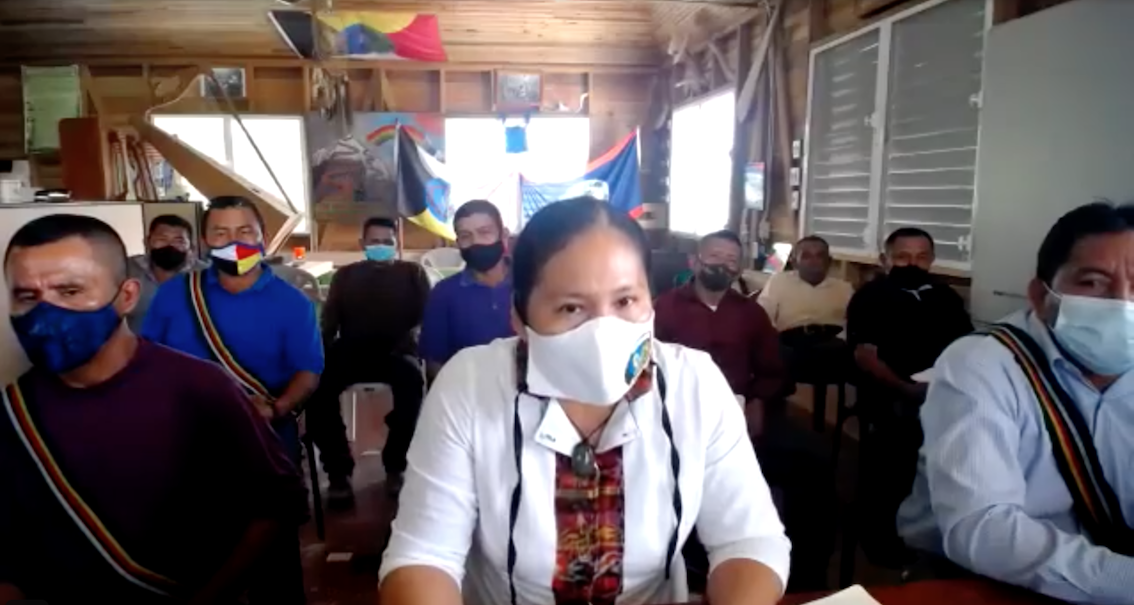
    Maya Peoples of Belize Win Lawsuit against Belize Government for Violating Land Rights

    On June 16, 2021, the Supreme Court of Belize ruled in favor of Maya land rights, upholding the community of Jalacte’s right to Free, Prior and Informed Consent (FPIC) on their customary lands. The court issued a decision in the case, Jalacte Village vs. the Attorney General, ruling that the government breached the Maya Peoples’ constitutional rights, obligating the government of Belize to return the lands that had been taken without the community’s consent and ordering compensation of the equivalent of $3.12 million USD.  


    The court also found that the government was in breach of a consent order of the Caribbean Court of Justice (CCJ), the highest international appellate court to which Belize is party. In 2015, the Maya people won an unprecedented victory at that court, in a decision which held that the Maya Peoples of Belize hold customary land rights over the land that they occupy, which is equal to any other form of land ownership in Belize and is constitutionally protected. 
     

    “This is very important for all Maya communities. We have a duty to ensure that we protect the rights that we fought for in the court of Belize,” shared the President of the Toledo Alcaldes Association, Domingo Ba, in a press conference following the court decision. Cristina Coc, spokesperson for the Maya Leaders Alliance and the Toledo Alcaldes Association, continued, “One more time, the court of Belize have agreed that the Maya people, have agreed with us, that we own our lands, through our customary use and that we can manage our lands through our customary decision making processes.” 
     

    image
    Photo courtesy of Maya Leaders Alliance.


    The land in question included 31.36 acres near the Guatemalan border of Southern Belize, where the government had usurped land to expand a road leading to the Guatemalan border and build a border checkpoint. This land is under customary use, and therefore ownership, of the Maya village of Jalacte. The case was originally filed in 2016 by the traditionally elected representative of the village, “First Alcalde” Jose Ical on behalf of the village and by a second claimant, Estevan Caal, on whose land an agricultural border checkpoint was constructed.
     

    The evidence presented to the court is that Caal held “individual customary proprietary right” to parcels of village land used by him based on Jalacte’s collective property rights. At no time were the villagers consulted nor compensated for the taking of the customary land.
     

    In the court’s decision, Chief Justice Arana wrote: “This case should never have arisen. The defendants, that is the government of Belize, were aware of Maya customary land tenure along the route of the road in Jalacte. They were aware that agricultural lands would be damaged and compensation would be needed. They were aware of the Maya fears that the new road would increase pressure on their land tenure by outsiders. And they were aware that it was a constitutional violation to ignore Maya customary rights of Jalacte.”
     

    img
    Photo courtesy of Maya Leaders Alliance.


    Since the Caribbean Court of Justice’s 2015 decision, the traditional governance structure of the Maya people, the Toledo Alcaldes Association, with technical support by the Maya Leaders Alliance and Julian Cho Society, have been working with the government, with varying degrees of success, to negotiate an implementation plan for the decision and put it into practice.


    “The Toledo Alcaldes Association (TAA) and the Maya Leaders Alliance (MLA) congratulate the village of Jalacte on their resilience and unity as they awaited a decision in their case in the Belize Supreme Court concerning the compulsory acquisition and use of their lands by the Government. One more time, the courts of Belize sided with the Maya People that they are owners of the land they live on. The TAA and the MLA remain committed to a swift and meaningful implementation of the CCJ Consent Order,” the Maya Leaders Alliance shared on social media.
     

    Part of that implementation order is the development of a Free, Prior and Informed Consent protocol. This has been in progress since 2018, when the government of Belize and the Maya people entered into the December 2018 Agreement, considered a roadmap for implementing Maya land rights in accordance with the Caribbean Court of Justice decision was finally reached. This FPIC protocol is based on a previously established consultation framework established by Maya traditional leadership, which has set an example for many Indigenous communities around the world. Although now in a final draft, the FPIC protocol has been unable to advance due to objections by the Belizean government denying the authority of the traditional governance structure of the Toledo Alcaldes Association, although this violates Indigenous Peoples’ established right to self-determine their own forms of governance. The Toledo Alcaldes Association is the traditional form of governance of the Maya people that has evolved over time, uniting the elected and customary leaders of the Maya communities to represent the interest of Maya Peoples. 

    Spokesperson Cristina Coc notes that cases like Jalacte vs. Attorney General will continue to arise in the absence of an established and agreed upon policy around the protocols for obtaining the community’s Free, Prior and Informed Consent, according to their traditional decision making protocols and governance structures, before development or infrastructure projects are undertaken on their lands. 

    “Many of the complaints from our villages fundamentally rest on the absence of an FPIC protocol. Many of these incursions by third parties… of the government itself, is because there is an absence of an FPIC protocol that could guide how they should engage with the Maya communities, consult them, seek their Free, Prior and Informed Consent, how that will result in benefit sharing agreements that would be important to preserve the livelihood, health, and enjoyment of the Maya Peoples’ lands,” Coc declared.

    Coc emphasized that Maya Peoples continue to seek dialogue and cooperation with the government: “We, the Maya people, the customary leaders, continue to be open to dialogue and good faith relations with the government of Belize. We call on the government to come to the table with us and to meaningfully implement the affirmed rights of the Maya people of southern Belize.”

    Source