GUIDEBOOK · 2025
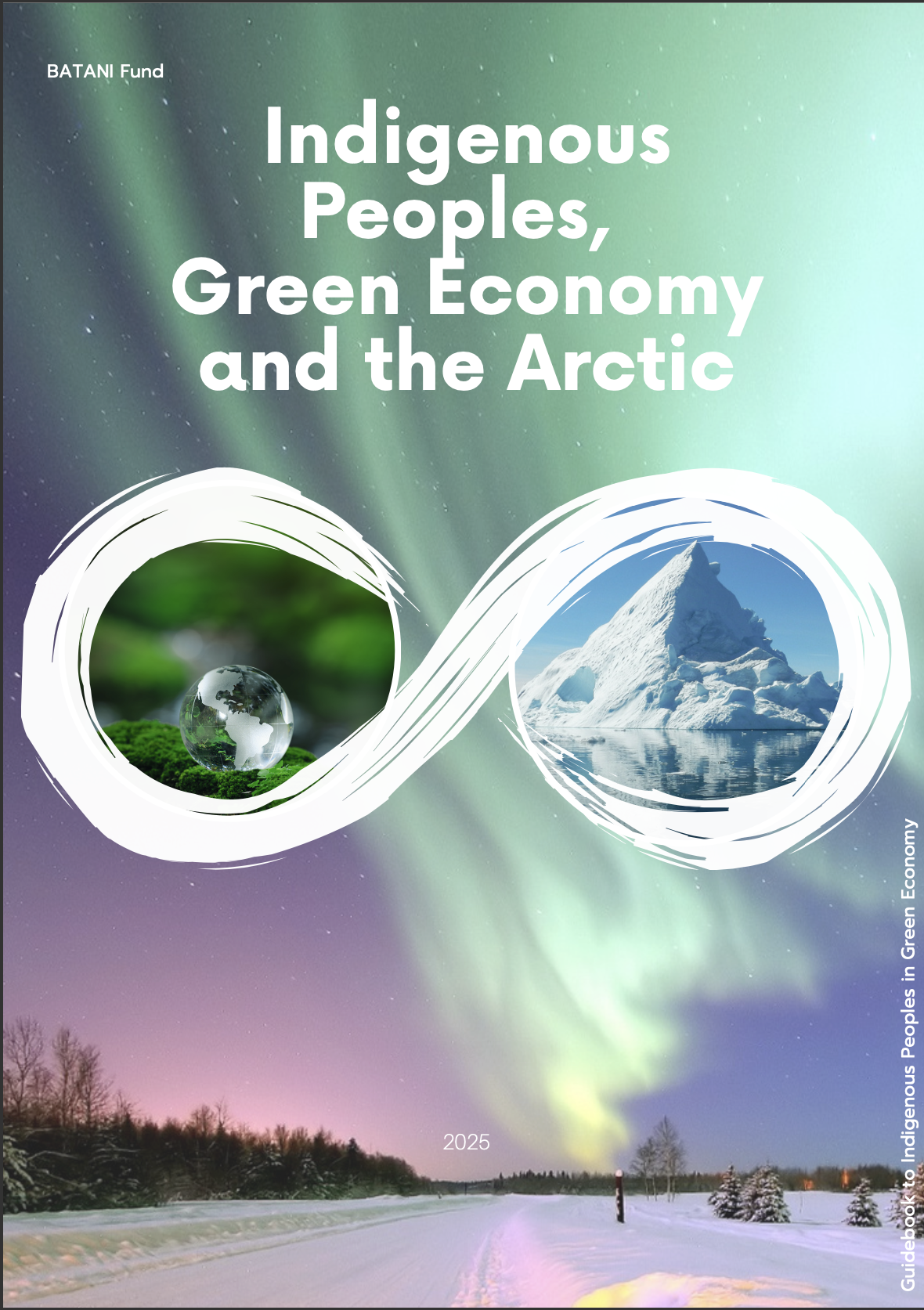
Indigenous Peoples, Green Economy and the Arctic
A guidebook to Indigenous Peoples in the green economy
PDF · English · Batani Fund
The shift to renewable energy is often presented as an unambiguous good. But the green revolution runs on raw materials — and many transition minerals lie under Indigenous lands. This guidebook sets out what the green economy means for Indigenous Peoples in the Arctic, and where the risks lie.
What’s inside
- Why the Arctic
- What is the green economy
- Indigenous Peoples in the green economy
- Transition minerals
- Problems, concerns and goals
- Arctic case studies: Canada, Sweden, Russia
- Things to consider
Three Arctic case studies
Canada
Indigenous ownership as a model
Indigenous communities are partners or beneficiaries of nearly 20% of Canada’s electricity-generating infrastructure, with between 2,100 and 2,500 Indigenous clean energy projects operating or in development.
Sweden
Kiruna and the rare earths
Europe’s largest deposit of rare earth elements sits beneath Sámi reindeer herding lands. The Sámi report being consulted late, on plans already decided, with no real influence over the outcome.
Russia
Norilsk and the cost of nickel
NorNickel’s smelters discharge around two million tonnes of sulphur dioxide a year — over half of Russia’s total emissions. Iron, nickel and copper in local rivers exceed threshold values by nine to ten times.