Tag: FPIC

  • Manganese matters

    Manganese matters

    A metal of consequence for women and communities in South Africa affected by mining and the global energy transition

    Manganese has been identified as one of the key minerals for the realisation of the energy transition needed to address the climate crisis. It is, however, important that the transition and thus the increasing need for certain minerals and metals such as manganese does not exacerbate or create new negative impacts for local communities, particularly women and youth in South Africa, the country with the world biggest manganese reserves.

    For this research we conducted field research in the Kalahari Manganese Field (which hosts 18 of the 22 manganese mining companies in South Africa) to detect and analyse the impacts of mining activities on the local communities and their environment. Simultaneously, the supply chain was mapped to understand how manganese mining in South Africa reaches the Netherlands and Europe, with a specific
    focus on steel and low carbon technologies: wind, electric vehicles, and energy storage.

    Through general surveys, individual interviews and focus groups it was concluded that the communities in the Kalahari Manganese Field are deprived of their rights to water, safe and accessible healthcare, FPIC and participatory governance. Community members, many of whom have experienced waves of mining booms throughout their entire lives, expect only the worst from the current boom in manganese mining. They contend with less and less water even as large-scale, innovative pipelines are built around them to serve the needs of mines. They live with illness and chronic stress about their own and their families’ health, nervously anticipating the almost-daily blasts and the
    repercussions thereof (including damage to dwellings and release of hazardous asbestos from housing materials).

    The Netherlands imports manganese in many forms, including as manganese ore, manganese alloys (used for steelmaking) and as manganese metal (key input for producing batteries). In 2019 alone, the Netherlands imported 63 kilo tonnes of manganese ore of which 70% came directly from South Africa. The Netherlands is the world’s fourth largest importer of ferromanganese, which is a key alloy to produce steel. The Netherlands also imports manganese as part of finished products such as lithium batteries. A big part of all manganese that is imported to and consumed in the Netherlands and Europe originates in South Africa, which dominates global production and has the largest reserves and resources. In fact, around a third of all European imports of manganese comes from South Africa. Indirectly, the share is much bigger as manganese from South Africa also reaches the Netherlands after being refined in China and Norway.

    Dutch and European importing of manganese originating in the Kalahari Manganese Field is likely to continue, as 75% of the manganese global resources are located there. European countries, the automotive industry, battery manufacturers and wind energy companies therefore all have a responsibility to ensure that the manganese they source does not cause, contribute or is linked to human rights violations and environmental degradation.

    Source

  • A year after Arctic fuel spill, Norilsk Nickel continues to ignore Indigenous critics
    A year after Arctic fuel spill, Norilsk Nickel continues to ignore Indigenous critics

    Alina Bykova and Pavel Sulyandziga.

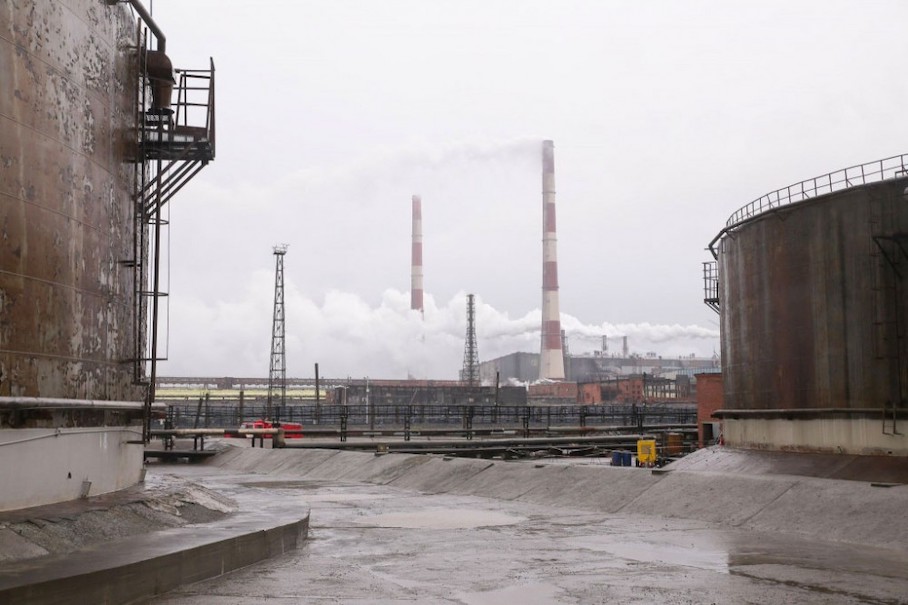
    On May 29, 2020, more than 21,000 tons of diesel fuel were spilled by metals giant Norilsk Nickel into the tundra of northern Russia’s Taimyr Peninsula, saturating the land and local waterways in oil. The incident is considered Russia’s worst oil spill in decades. Since then, Norilsk Nickel has made many rosy assurances, specifically towards Taimyr’s Indigenous tribes, who have dealt with pollution caused by the company for many years. Aside from paying the affected communities a small sum of money, Nornickel has done little else except pledge to change its conduct and policies – an empty promise it has made many times before

    Norilsk Nickel’s approach to Indigenous peoples in the region is paternalistic and colonial. It claims to observe international norms, especially as they pertain to Indigenous rights, yet it consistently fails to translate these declarations into action. While the company has a working relationship with Indigenous peoples in the Taimyr region, it is by no means an equal partnership, but rather a relationship between big business and colonized peoples. While Nornickel has allocated money towards projects for the Indigenous communities in Taimyr in the past, they have not shown respect for Indigenous self-determination. Norilsk Nickel has never considered that it operates on Indigenous land, and that maintaining an equitable relationship with the Indigenous peoples of the region is not a favor on the part of the company, but rather its obligation.

    The company has an Indigenous rights policy, yet it does not mention Free Prior and Informed Consent (FPIC), a right mandated by the United Nations Declaration on the Rights of Indigenous Peoples which is an international standard. While the company listed some of the support it has given to Indigenous peoples in Taimyr thus far, none of Norilsk Nickel’s press releases on the topic of cooperation with Indigenous peoples include a discussion of FPIC, or whether it plans to consult Indigenous peoples going forward. 

    Although Norilsk Nickel has pledged to spend 2 billion rubles on Indigenous programs over the next five years, which sounds like a respectable sum, less than 10 percent, or approximately 250,000 rubles per person (about USD 3000), of this funding will go directly to affected communities, while the majority will be spent on company-directed programming, anonymous sources say. 

    Furthermore, Norilsk Nickel’s contract for disbursing the funds stipulates that the conditions for receiving them is that communities will refuse to pursue further claims for funds and will not file claims in court to ask for more compensation in the future. Some community members now plan to legally challenge these conditions.

    The company has also recently announced that it has signed agreements with multiple Indigenous organizations, and hired community members to serve as Indigenous spokespeople within the company, who say they represent all Indigenous peoples of Taimyr. The only people these representatives speak for is the company, since they are on Norilsk Nickel’s payroll and are entirely dependent on the company. Meanwhile, Nornickel refuses to lead a constructive dialogue with Indigenous peoples who raise criticisms about the company’s conduct. Norilsk Nickel says that it plans to carry out an expedition to consult Indigenous peoples of Taimyr about their “opinions,” that it is committed to ensuring transparency in all decisions, and that a council run by Nornickel will monitor the efficiency of financial allocation to communities.  

    Any educated person would be quick to point out that a company cannot be trusted to hold itself accountable impartially, and this is especially true in the case of Norilsk Nickel, which has fought repeatedly to block independent sources from inspecting its facilities or taking samples, even after the catastrophic oil spill last year. The company has also historically bribed environmental watchdogs to hide the extent of pollution in the region. A survey of the pollution that the company carried out following the spill found that “no major disaster happened” and that “ecosystems demonstrate a strong regenerative capacity,” which is an interesting conclusion considering that the extensive impact of the fuel spill and other pollution is well documented in news articles and scholarly papers. It is also well known that Arctic environments are particularly sensitive to pollution because the short growing season causes the landscape to regenerate slower. Given what we know about Norilsk Nickel’s conduct, it is therefore difficult to believe that future company initiatives or reports will objectively survey and analyze problems, especially when they concern Indigenous peoples. 

    Speaking on behalf of any Indigenous peoples is not the goal of this commentary. It is simply a demand that a real dialogue be carried out between Norilsk Nickel and the Indigenous peoples of Taimyr. Not with people paid by the company or the Russian government, but those who have suffered from the spill and the ongoing pollution of decades past, who have faced problems with access to food and their traditional lands due to environmental degradation. Conducting a dialogue with free people who know their rights and are not dependent on the company’s goodwill for their livelihoods is obviously much more difficult than working with people who are in a position of dependence and risk losing everything if they speak up against wrongdoing, but this is the proper way to conduct business, and if Norilsk Nickel wants to be taken seriously as an international company, this is the path they must take. 

    The goal is not to shutter Norilsk Nickel or its factories, but to make sure that the company observes the Indigenous rights that it claims to adhere to. If Norilsk Nickel does not observe these rights, then everyone must know that it is not following them, and that it cannot in good faith call itself a responsible company that upholds international standards. Norilsk Nickel must be held accountable, and the company must follow through on its promises – otherwise they will be seen as nothing but PR and propaganda. 

    Source

  • Indigenous Leaders and Goldman Prize Recipients Send Open Letter Demanding BlackRock Act on Deforestation and Human Rights
    Indigenous Leaders and Goldman Prize Recipients Send Open Letter Demanding BlackRock Act on Deforestation and Human Rights

    BlackRock has yet to produce concrete policy addressing land rights, deforestation, and human rights abuses in its portfolios

    Today, over 80 renowned Indigenous and frontline activists from around the world issued a public letter criticizing BlackRock’s role in violating the land rights and human rights of Indigenous peoples and other traditional communities. The signatories, including several recipients of the prestigious Goldman Environmental Prize, point to BlackRock’s continued large-scale investments in fossil fuel and deforestation-linked companies that violate human rights, and demand that the asset manager cease these investments.

    Eloy Terena, Legal Coordinator of the Association of Brazil’s Indigenous Peoples (APIB), and one of the letter’s signers said: “BlackRock’s investments have an impact on our lives and our communities, and the company’s leadership, therefore, has a responsibility for our future. If the Amazon is destroyed, the future of the entire planet is at risk.”

    Last week, BlackRock released a memo on “natural capital”, a memo on human rights impacts, and updated engagement priorities. In these memos BlackRock encouraged the companies it invests in to adopt “no deforestation” policies, to account for biodiversity in their operations, and to obtain the free, prior and informed consent (FPIC) of indigenous peoples “for initiatives that affect their rights.”

    Despite the urgency of these issues, BlackRock did not lay out any clear accountability mechanisms to assure that its “engagement” results in concrete improvements for communities, ecosystems, and the planet in these new memos. But this new acknowledgment is a step in the right direction that comes after years of campaigning by Indigenous leaders and civil society organizations demanding that BlackRock take responsibility for its role in deforestation and human and Indigenous rights violations.

    Sonia Guajajara, Executive Coordinator of the Association of Brazil’s Indigenous Peoples (APIB), said, “Despite its latest announcement on ‘natural capital,’ BlackRock does not have a concrete policy in place to handle investments that impact Indigenous peoples and our territories. BlackRock has not pledged to pressure companies to end deforestation in the Amazon. Our challenge to BlackRock is clear: safeguard Indigenous peoples’ rights and eliminate deforestation and human rights violations from its portfolios.”

    Today’s letter outlines the urgent need for action, stating: “While BlackRock makes pledges to ask portfolio companies to cut emissions in the future, our forests are being razed, our land is being stolen, and our people are being killed, today.”

    Despite BlackRock’s January commitment to achieve net-zero by 2050, the asset manager has, according to the letter, done “little to ensure [its] investments respect human rights, land rights, and the self-determination of Indigenous and local communities.” BlackRock remains one of the largest investors in the two biggest drivers of the climate crisis: fossil fuels and industrial agricultural commodities linked to deforestation, such as palm oil, soy, cattle, pulp, and paper. These industries regularly violate the rights of Indigenous and local communities. BlackRock has no policies in place that address deforestation, human rights, or land rights.

    The signers of today’s letter hail from some of the world’s most sensitive biomes, including the Amazon and the rainforests of Indonesia and West Africa. They write that it is not just their land, homes, and cultures that are at stake, but their lives.

    Goldman Prize recipient Alfred Brownell, Liberian human rights and environmental lawyer, who was forced to flee his country after threats to his life, said: “I am quite surprised that Mr. Fink and BlackRock have not yet responded to my 2019 letter. The agribusiness companies BlackRock finances in Liberia’s Upper Guinea Forest are not only destroying the precious habitat of endangered pygmy hippos and chimpanzees, they are dispossessing my people of their land and the right to choose their own model of development. Instead of adding value to community-driven enterprises that coexist with nature, BlackRock’s investments are obliterating shrines and burial grounds and wiping out centuries of history, culture, religion, customs, and values that indigenous communities hold sacred, further impoverishing indigenous communities.”

    In April 2019, Brownell publicly charged BlackRock with financing palm oil companies destroying the lands, livelihoods, and cultural sites of Liberian communities. A month later, Indigenous leaders from the Amazon, including Mr. Terena, confronted CEO Larry Fink at BlackRock’s annual general meeting in New York for the firm’s support of companies complicit in widespread forest fires.

    “Communities around the world are facing an epidemic of violence, murder, and criminalization at the hands of extractive industries. In 2019, more than four land and environmental defenders were murdered each week for protecting their traditional lands. Frontline communities and activists are often the first responders to the destructive – and deadly – impacts of the climate crisis as they confront companies that destroy forests, pollute water sources, and drive species into extinction,” the letter states.

    Source

  • Indigenous Peoples’ Human Rights as a Minimum Standard for Corporate Practice
    Indigenous Peoples’ Human Rights as a Minimum Standard for Corporate Practice

    By building strategic alliances with investors and shareholders, Indigenous Peoples are proactively protecting their rights by urging corporate respect of those rights in routine operations.

    When the United Nations adopted the Declaration on the Rights of Indigenous Peoples in 2007, it was the first time Indigenous Peoples’ rights were widely affirmed on a global scale. The Declaration contemplated not only the inextricable connection between Indigenous Peoples’ livelihoods, culture, and land, but also their collective rights to decision-making and self-determination. Countries have integrated those rights into their domestic policies and laws at different levels, but the Declaration provides a minimum standard under which Indigenous Peoples’ rights can be considered. Moreover, Indigenous Peoples worldwide view the Declaration as the authoritative enumeration of their rights that guides their interactions with government or with business.

    In general, corporate consideration of Indigenous Peoples and their human rights is often peripheral to business operations and, when considered, are generally relegated to an environmental compliance process. This means that the impacts of development on Indigenous communities are often only addressed during project implementation, or only after a violation of their rights has occurred. Such an approach detrimentally narrows the focus to remedy of harms already done rather than preventing violations at the outset. Further, when tribes and Native people have used the courts to realize their rights under the Declaration, the relief is too often reactive to damages or human rights violations that have already occurred. When sacred lands or objects have already been destroyed, for example, there is no remedy even if a court case is ultimately won.

    Since transnational corporations affect the human rights of peoples around the world in their ordinary course of business, in 2011 the United Nations set forth the Guiding Principles on Business and Human Rights as a three-part framework to address human rights impacts. The framework includes: 1) States’ responsibility to protect human rights, 2) the corporate responsibility to respect human rights, and 3) access to remedy for affected communities. Businesses have a responsibility to assess where their operations intersect with international human rights standards, and to do so with an eye towards prevention of human rights abuses. The Guiding Principles point to the significant overlap between a corporate director’s fiduciary duty to shareholders to manage the business with due care, and the director’s role to adequately assess the risks of corporate operations along a number of criteria such as financial risk, environmental risk, social risk, and human rights risk. This framework runs parallel to the decade-long shift in the corporate sector towards the adoption of broader environmental, social, and governance criteria (ESG), as well as the adoption of policies to respect human and environmental rights as a matter of business.

    Building Alliances

    As part of the growing ESG movement, Indigenous Peoples have realized the cumulative power of building strategic alliances with concerned investors as an effective means to proactively protect their rights, as well as to integrate respect for their rights into corporate practice. These investors reach other impact-oriented investors to build coalitions that can elevate Indigenous leaders in strategies such as letter writing, speaking at industry events, direct dialogue with banks and corporations, and filing shareholder proposals. Together, these coalitions of investors and Indigenous Peoples bring their shared interest into focus by leveraging assets under management to influence corporate decision-making.

    Indigenous Peoples have pioneered the use of shareholder advocacy as a strong tool to integrate respect for human rights into corporate practice, successfully eradicating racist branding and addressing cultural appropriation. For example, the Interfaith Center on Corporate Responsibility organized 800 investors to call on Liz Claiborne to retire the “Crazy Horse” brand; in 2007, the label was discontinued. Similarly, after long engagement around the Washington NFL team’s racist logo and mascot, in June 2020 investors—representing more than $620 billion in assets—sent a letter to corporate sponsors Nike, PepsiCo, and FedEx urging them to make good on their commitments to eradicate racism by pressuring the team to change its name. A letter with nearly 1,500 signatories of Native organizations and leaders was sent to show the wide consensus for change in Indian Country. By July 13, the team had retired the name and logo.

    These successes are compounding, and shareholder advocacy is becoming an increasingly important strategy to protect Indigenous lands, territories, and resources from extractive development. Core to this engagement to build preventative frameworks is advocating for Indigenous Peoples’ right to free, prior, and informed consent (FPIC) over the development of their lands, territories, and resources. FPIC is of paramount importance because it is a critical safeguard of other rights, as true implementation of FPIC allows Indigenous leadership the opportunity to meaningfully choose what type of development may occur in their communities. Because the right to set self-determined development priorities needs to be recognized prior to project finance or project implementation, Indigenous Peoples are now leveraging early opportunities for shareholder advocacy and corporate engagement to influence business behavior towards optimal operationalization of FPIC.

    Standing Rock Sioux Tribe and the Dakota Access Pipeline

    Although Indigenous Peoples and investors have come together frequently over the last decade, few examples are as visible and powerful as what occurred during the Standing Rock Sioux Tribe’s opposition to construction of the Dakota Access Pipeline (DAPL) on their treaty territory. The Tribe had expressed their desire to reroute the pipeline away from their lands as early as 2014, filed a legal case in 2016 directly opposing the route as planned, and expressed to the media their position that the pipeline violated their treaty rights. When DAPL’s parent company—Energy Transfer Partners—continued construction, decimating objects with cultural and spiritual value to tribes across the Great Plains, the clear disregard for the Tribes’ resources and concerns led to significant social unrest. Indigenous Peoples and allies from around the world gathered on the banks of the Cannonball River to physically protest construction of the pipeline. In fact, the #NoDAPL movement swelled to 15,000 people at its apex and resulted in conflict, arrests and further human rights violations.

    In parallel to legal and international advocacy measures, the Standing Rock Sioux Tribe activated a shareholder advocacy campaign targeted towards financial institutions funding pipeline construction. The Tribe, supported by a significant coalition of investors, sent a letter representing over $685 billion assets under management—the total market value managed on behalf of the investors’ clients—that elevated to those institutions the real-time impacts of corporate actors’ failure to consider human rights during construction. After meeting with multiple institutions over the course of the campaign, several European banks pulled their commitments from the pipeline.

    The Standing Rock Sioux Tribe’s corporate engagement campaign put the rights of Indigenous Peoples on the radar as a material consideration for financial institutions. In 2018, First Peoples Worldwide used publicly available data to study whether the social and human rights risks attendant to DAPL manifested in financial losses. The study found that, though initially estimated to cost $3.8 billion, the pipeline cost more than $12 billion by the time it was operational in June 2017, losses accumulated from the long delays in construction due to social unrest and legal filings. Energy Transfer Partners’ stock price significantly underperformed relative to market expectations during the event study period, and it experienced a long-term decline in value that persisted after the project was completed. In fact, from August 2016 to September 2018—while the S&P 500 increased by nearly 35 percent—ETP’s stock declined by almost 20 percent.

    While the case study does not attribute this underperformance exclusively to social pressure, the early failure to respect the human rights of the affected Indigenous Peoples led to social protests and pressure, which led to the delays that ultimately cost the company and associated financial institutions billions of dollars. Given these financial losses, this case study demonstrates the need for corporate directors and shareholders to understand, review, and incorporate respect for Indigenous Peoples into their business operations as a matter of fiduciary duty, if not as a matter of sustainable finance.  

    Implementing Shareholder Advocacy in the Arctic

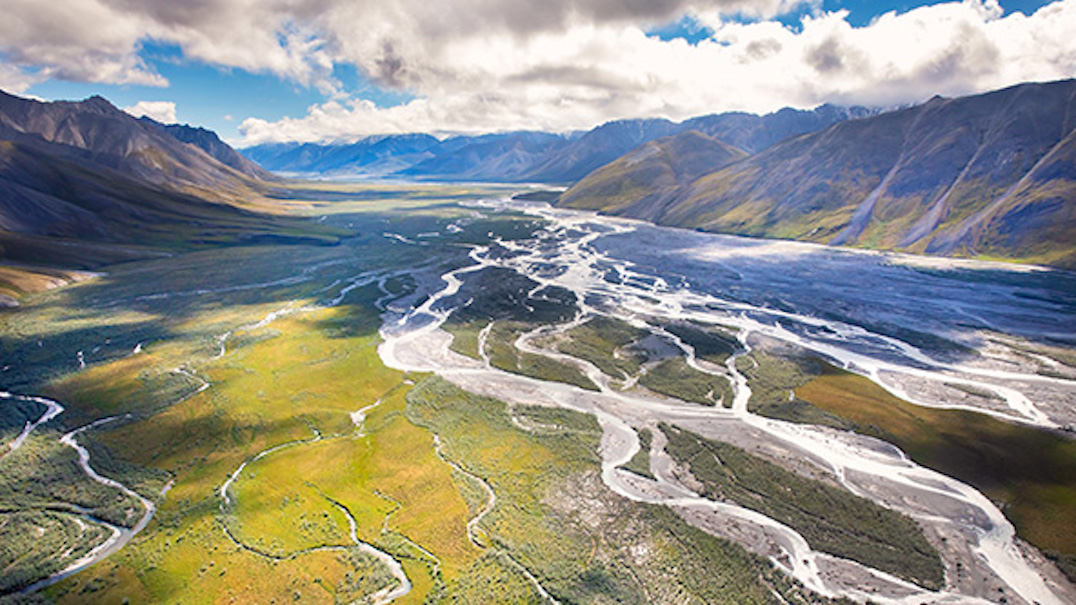
    More recently, the Gwich’in Steering Committee has leveraged shareholder advocacy to create new momentum to protect the Coastal Plain of the Arctic Refuge, which is currently under direct threat of development by oil and gas companies. The Coastal Plain is sacred for the Gwich’in and other Alaskan Natives – the Gwich’in call it “Iizhik Gwats’an Gwandaii Goodlit” (The Sacred Place Where Life Begins). In 1988, Gwich’in Elders and Chiefs gathered for the first time in over 150 years and formed the Gwich’in Steering Committee (GSC) to act as the unified voice to protect their ancestral lands. Since then, the Gwich’in people have used every mechanism possible to protect the Coastal Plain from oil and gas development and recently have engaged with corporate and financial institutions in those efforts. In 2019, the GSC met with multiple financial institutions to urge them to ban financing for oil and gas development in the Arctic Refuge. At the meetings, representatives from the banks recalled meeting with Standing Rock Sioux tribal leaders in 2016 and indicated that those meetings continue to influence their policies.

    To date, more than 30 international financial institutions have adopted policies that exclude project-level financing for oil and gas development in the Arctic. Significantly, since the meetings in 2019, all six major US banks and all major Canadian banks released updates to their policies banning project-level financing for fossil fuel development in the Refuge, and lease sales performed dramatically below expectations, with no major energy companies participating.

    This strategy is increasingly important as incursions continue unabated around the world affecting Indigenous communities in Russiathe AmazonAustralia, and Africa, and, in the US, in MinnesotaArizona, and southern Alaska, among so many more.

    Forward-Looking Accountability

    Engaging with investors and shareholders to elevate the importance of Indigenous Peoples’ rights is an increasingly critical avenue for advocacy and change, especially as companies and investors seek additional means to activate their own values aligning with social, environmental, and racial justice. Shareholder advocacy creates accountability not only between a boardroom and the impacts of business in Indigenous communities but between a corporation’s own policies and actions. Through understanding and incorporating these rights at every stage of decision-making—especially the initial stages—businesses can pave the way for a more integrated respect of Indigenous Peoples’ rights, one that is forward-looking instead of reactionary. In this way, centering the rights of Indigenous Peoples is an imperative for companies who are seeking the best means not only to prevent human right violations but to activate greater respect for Indigenous Peoples by aligning their operations with Indigenous self-determination and well-being.

    Source

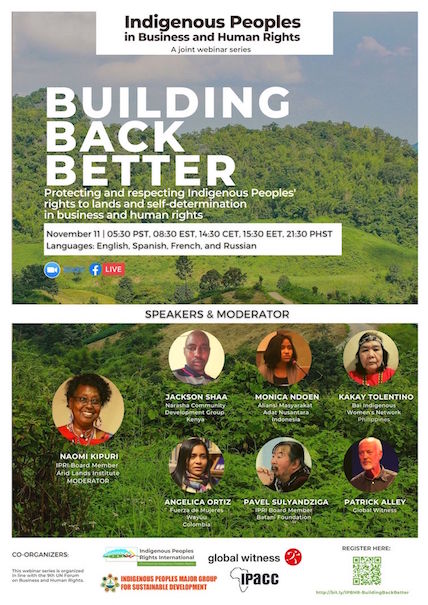
  • BUILDING BACK BETTER

    BUILDING BACK BETTER

    Register here: http://bit.ly/IPBHR-BuildingBackBetter
    Download: IP and LTR_Concept Note-ENG.pdf (3000 KB)

    Date and time:

    11 November 2020
    5.30 PST; 8.30 EST; 15.30 EET; 21.30 PHST

    Duration: 1 hour and 30 minutes

    Language interpretation: Spanish, French, English, Russian

    BACKGROUND AND OBJECTIVES

    Almost nine months since COVID-19 swept the world, its impacts have proven to go beyond a health crisis. Among others, the threat of a global economic crisis is already manifesting itself. Human rights and environmental organisations have called for governments and businesses to “build back better” an economic system that will depart from the unsustainable and inequitable “business-as-usual” approach, which too often leads to violation of indigenous peoples’ rights to their lands, territories and resources, including their free, prior and informed consent (FPIC). But several governments have recently been fast-tracking bills as stimulus to the economic downturn that see rollbacks in environmental and human rights standards. Among them are Indonesia’s Omnibus Bill, Canada’s Quebec Bill 61 and Ontario’s Bill 197 also known as Covid-19 Economic Recovery Act, and India’s directive to open commercial mining to national and overseas private investors. All these bills are particularly worrying for indigenous peoples as most of them pose threats to indigenous peoples’ rights to FPIC and are primarily rested on exploitation of lands and natural resources, which are often within indigenous territories.

    Also, the measures to manage the pandemic, particularly restrictions on mobility and public gathering, have been taken advantage of by governments to impose and implement oppressive laws and policies. Often, these directives have been more effective in curbing the rights to freedom of expression, assembly and privacy, than the spread of the virus. Similarly, some companies, with State support, have taken the opportunity of the restrictions on mobility to expand land areas under their control through land grabbing and violent displacement. This has led to increased incidents of criminalisation and attacks on indigenous peoples at the time of COVID-19. Indigenous Peoples Rights International (IPRI) have documented, from January to July 2020, 83 incidents of killing and hundreds of human rights violations on indigenous peoples, including their collective rights to their lands, territories and resources.

    In this context, the webinar aims to:

    • Provide space for indigenous leaders to present cases of criminalisation and attacks against indigenous peoples involving business corporations operating in their countries;
    • Discuss strategies to address the current issues of criminalisation and attacks against indigenous peoples using the UNGP’s framework, particularly highlighting the issue of access to justice;
    • Provide recommendations on how to prevent violations of the rights of indigenous peoples in business operations.

    SPEAKERS and MODERATOR

    ANGELICA ORTIZ

    SECRETARY GENERAL, FUERZA DE MUJERES WAYÚU (WAYÚU WOMEN’S FORCE) | COLOMBIA

    JACKSON SHAA

    SECRETARY GENERAL, NARASHA COMMUNITY DEVELOPMENT GROUP | KENYA

    Jackson M. Shaa is the Executive Director Narasha Community Development Group and Principal Enariboo Primary School in Kenya. He has led NCDG to defend the rights of indigenous people in Naivasha Kenya, having represented the organization in engaging with the national and county governments, the international financial institutions and National and international civil society forums. He took part in a number of research on indigenous people and geothermal exploration in Kenya, impact of climate change and it’s impacts. On academic, he hold a masters of education from the University of Nairobi. He participated in indigenous law training at the University of Pretoria in South Africa.

    KAKAY TOLENTINO

    NATIONAL COORDINATOR , BAI INDIGENOUS WOMEN’S NETWORK | PHILIPPINES

    Kakay Tolentino is an indigenous Dumagat woman of Sierra Madre, the longest mountain range in the Philippines. She has been doing community organising with her community and other indigenous communities in the Philippines since the 1980s. She is currently the national coordinator of Bai Indigenous Women’s Network, which is composed of 11 local indigenous women organizations. She is also the spokesperson of the No to Kaliwa-Kanan-Laiban Dam Network. She was the acting Secretary-General of the KATRIBU Partylist from 2011-2013 and is now a member of the National Council of Leaders of KATRIBU, the National Alliance of Indigenous Peoples organization in the Philippines.

    MONICA NDOEN

    POLICY DEVELOPMENT AND ADVOCACY OFFICER, ALIANSI MASYARAKAT ADAT NUSANTARA | INDONESIA

    Monica Ndoen works as Policy Development and Human Rights Protection Officer with Indigenous Peoples Alliance of the Archipelago (AMAN), a national organisation that represents 2,332 indigenous communities throughout Indonesia, amounting to about 17 million individual members.

    PATRICK ALLEY

    INTERNATIONAL ADVISORY GROUP MEMBER, INDIGENOUS PEOPLES RIGHTS INTERNATIONAL
    DIRECTOR AND CO-FOUNDER, GLOBAL WITNESS

    Patrick co-founded Global Witness in 1995. Since then Global Witness has become a global leader in its field, described by Aryeh Neier, former President of the Open Society Foundations, thus: “Global Witness brings together the issues of human rights, corruption, the trade in natural resources, the role of banks, the arms trade, conflict. It is the only organisation that does this. Period.”Patrick has taken part in over fifty field investigations in South East Asia, Africa and Europe and in subsequent advocacy activities. Patrick conceived several of Global Witness’ campaigns and focuses on corruption, conflict resources, forests and land, and environmental defenders. He is a board director of Global Witness and is involved in the organisation’s strategic leadership.Alongside his two co-founders, Patrick received the 2014 Skoll Award for Social Entrepreneurship.Patrick is also a trustee of the OpenCorporates Trust Limited.

    PAVEL SULYANDZIGA

    BOARD MEMBER, INDIGENOUS PEOPLES RIGHTS INTERNATIONAL
    FORMER MEMBER OF THE WORKING GROUP ON BUSINESS AND HUMAN RIGHTS

    Pavel Sulyandziga (PhD in Economics) is Chairperson of the Board of the International Development Fund of Indigenous Peoples in Russia (BATANI) and is currently a Visiting Scholar at Dartmouth College (US). He was a member of the Civic Chamber of the Russian Federation (2006 – 2014) and advisor to the president of RAIPON (Russian Association of Indigenous Peoples of the North, Siberia and the Far East). At the beginning of his career he was a school teacher of mathematics in Primorskiy kray, Russia (1984-1987). In 1991 he was elected as Chairman of the Indigenous Peoples Association of the Primorskiy kray. His international activity included participating in the Eurasian Club (Japan) on assistance to the education and preservation of culture of indigenous peoples (1991-1993); and visiting Indian reservations in the USA (California, Oregon, Washington) to study their experience on education, culture and self-governance (1993). From 1993 to 1994, Mr. Sulyandziga participated in the elaboration of a project on the preservation of biodiversity in the Bikin river valley, where he was responsible for project implementation. In 1994-1995 he participated in the project «Traditional Indigenous Crafts» funded by the Eurasian Club (Japan); he was Indigenous curator of the cooperative project on the preservation of the Ussuri Tiger; and in 1997-2000 he was coordinator of the Danish-Greenlandic Initiative for assistance to indigenous peoples of Russia. In addition, Mr. Sulyandziga was a councilor to the Governor of the Primorskiy kray on indigenous issues (1994-1997). In 1997 he was elected Vice-president and then in 2001 First Vice-president of RAIPON. From 2005 to 2010 he was a member of the United Nations Permanent Forum on Indigenous Issues.

    NAOMI KIPURI (MODERATOR)

    BOARD MEMBER, INDIGENOUS PEOPLES RIGHTS INTERNATIONAL
    EXECUTIVE DIRECTOR, ARID LANDS INSTITUTE

    Naomi is the chairperson of the Task Force involved in County/community issues relating to documentation of historical and cultural institutions and other significant matters including establishment of a museum and cultural centre for the County Government of Kajiado. She is the founder of Arid Lands Institute concerned with promoting sustainable utilization of land, raising awareness on environmental protection and conservation and promoting resource tenure security; advocating for human rights of underserved indigenous communities; raising awareness and support gender equity in access, control and ownership of productive resources; and encouraging and promoting production and documentation of historical, cultural and human interest material of historical significance.

    Organisers:

    Indigenous Peoples Rights International (IPRI), Global Witness, Indigenous Peoples of Africa Coordinating Committee (IPACC) and Indigenous Peoples Major Group (IPMG) for Sustainable Development

    Source

  • The Saami Council supports appeal from indigenous leaders regarding NorNickel
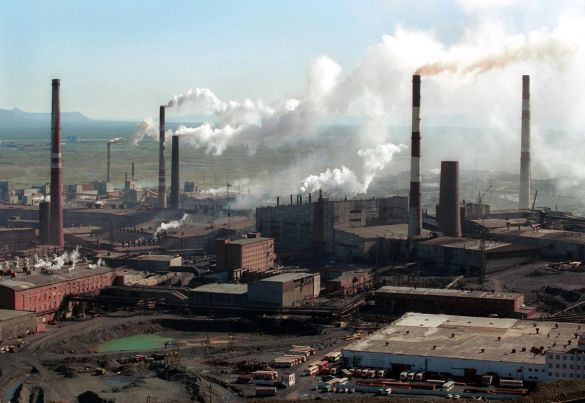
    The Saami Council supports appeal from indigenous leaders regarding NorNickel

    The Saami Council supports the appeal from indigenous leaders and experts of the Russian Federation to Mr. Elon Musk and Tesla, to refrain from buying nickel from NorNickel until the company implement indigenous peoples’ rights and fulfill its environmental obligations.

    A sustainable future requires responsible industry and business, and the development of so-called sustainable solutions cannot happen on the costs of indigenous peoples and the environment. Then it is no longer a sustainable solution. 

    The Russian company NorNickel is a global leader in the production of the mineral nickel. Murmansk Oblast and the Taymyr Peninsula has been the homeland for indigenous peoples of the Arctic for generations, and are the principal sites for the company’s activities. The Sámi, Nentsy, Nganasan, Entsy, Dolgan, and Evenki communities have preserved the traditional life, culture, and economy of Northern peoples, including reindeer herding, hunting, fishing, and gathering. Healthy and productive ecosystems, both on land and water, are the basis of indigenous peoples’ culture and identity. Indigenous peoples’ survival and existence must be secured and strengthened through the sustainable management of natural resources. Companies must be held accountable for cleaning up after accidents and pollution, also after ended activity.

    Free, prior and informed consent (FPIC ) is a principle enshrined in the United Nations Declaration on the Rights of Indigenous Peoples (UNDRIP, which establishes a universal framework of minimum standards for the survival, dignity, and well-being of the indigenous peoples of the world, and it elaborates on existing human rights standards and fundamental freedoms as they apply to the specific situation of indigenous peoples. This principle must apply to all industrial activities taking place on indigenous land and FPIC must be included in the code of conduct of any company.  

    Source