Tag: War on Ukraine

Articles related to Russia’s criminal and unprovoked aggression against its neighbour and the terrible impacts on indigenous peoples in both Ukraine and Russia

  • Anti-War Initiatives Led by Indigenous Peoples in Russia are Inherently Anti-Colonialist
    Anti-War Initiatives Led by Indigenous Peoples in Russia are Inherently Anti-Colonialist

    Anti-war movements in Russia immediately appeared at the onset of Russia’s invasion of Ukraine. Notably, these initiatives were and are by and large driven by preexisting feminist organizations (The Social Democratic AlternativeEighth Initiative GroupEve’s Ribs, the Agasshin Project, and the Feminist Translocalities Project to name a few) and Indigenous and ethnic minority groups founded in direct response to the war. While currently there is no sole, centralized movement uniting the country’s numerous Indigenous Peoples and ethnic minorities, the appearance of various anti-war organizations, media accounts, and content, and action points to a rather unprecedented impetus of collaboration and solidarity focused on condemnation of the Russia state’s actions. 

    Further unparalleled is the overt and widespread presence of anti-colonialist and anti-imperialist sentiment as activists and laypeople alike criticize Russia’s attack on Ukraine and probe into the federation’s enduring issues of coloniality in quotidian life (racism, discrimination, xenophobia, and the violence they encourage). The invasion of Ukraine is not new or covert; rather, it represents the next steps in a long and ongoing history of Russian colonial understanding of a sovereign Ukrainian nation and distinct Ukrainian culture as a threat needing mitigation. These anti-war, staunchly anti-colonialist, and Indigenous-led initiatives are small in number but increasingly outsized in influence. From the use of native languages in anti-war campaigns to overt castigation of Russian chauvinism, these initiatives point to resistance to both the ongoing war and colonial policy. Their importance cannot be overemphasized since their efforts contribute to a better understanding of, and subsequently, better capacity for dismantling Russian coloniality.

    Russia’s claims that it is fighting “neo-Nazis” in Ukraine is a blatant distortion of history, and the irony of this claim is far from lost on many Indigenous Peoples of Russia who grew up in a society steeped in Russian colonialism and who witness growing ethnic Russian nationalism (often abetted by right-wing and neo-Nazi sentiment) on societal and institutional levels (e.g., ethnic Russian nationalism enshrined in the federal constitution since 2020).

    Russian ultranationalist march in the “Russia March” in Moscow on Nov 4, 2011. The banner they carry reads “Return Russia to [ethnic] Russians”. Yuri Timofeyev for RFE/RL. 

    Anti-war movements like the Free Buryatia Foundation––the first anti-war initiative started in response to Russia’s invasion of Ukraine and on behalf of an ethnic group––emphasize this paradox and use the current conflict to advocate for a reckoning with historic racism and imperialism within Russia’s own borders. The objective of The Free Buryatia Foundation (Buryats Against the War) is twofold––to fight against the war on Ukraine and to “solve the problem of racism and xenophobia in Russia”. Founder and president of the fund, Alexandra Garmazhapova, says such an organization was needed for a number of reasons: the disproportionate number of Buryat soldiers dying in the war, the overrepresentation in media of Buryats as the main perpetrators of violence, and the latent systemic factors that usher Buryats into military service. 

    “Our region has been the leader in losses since the very beginning of the war, and it was important for us to declare that we are Buryats, and we are against the war. We consider the war with Ukraine xenophobic, because if Russia had a tolerant society, the idea of ‘denazification’ of Ukraine…would not find support among Russians. The Indigenous Peoples of Russia have been and are being subjected to ‘denazification’, which in reality is complete Russification. We understand what it’s like to have your language and culture banned… Residents of ethnic republics who go to Moscow and St. Petersburg face xenophobia and racism… But at the same time, military personnel from [the ethnic republics] are sent to Ukraine to protect the ‘Russian world’,” Garmazhapova said in an interview in July.

    Activists at a rally against the war in Ukraine in San Francisco holding signs that read “Buryats against Putin’s [criminal] war” and the flag of Buryatia. Courtesy of Alexandra Garmazhapova’s Facebook page.

    The Free Buryatia Foundation tracks statistics on losses during the war, provides legal advice to help military personnel terminate their contracts, shares credible information to combat propaganda and misinformation, and strives to prevent Russian servicemen from going to Ukraine. The organization is very active on social media sites and regularly collaborates with specialists, activists, and other anti-war initiatives on live-streamed discussions, data collection and sharing, and crowdsourcing. 

    Most of the Free Buryatia Foundation’s team resides outside the Russian Federation, which shields them from Russia’s growing restrictive legislation, namely “fake news” laws, which criminalize the dissemination of false information about the Russian army and is used by the state to censor, detain, and imprison those who oppose the war. For that reason, there are no large-scale Indigenous-led anti-war organizations or groups based in Russia. Disparate groups and media accounts exist though they tend to maintain anonymity and much of their activism work is shared or takes place on Instagram (only accessible with use of a VPN) and Telegram. These include, but are not limited to the Sakha Pacifist AssociationNew Tuva Movement, and Asians of Russia (which existed prior to the war but shifted its focus to information about the war and protests), which share information specific to their respective regions in addition to sharing information among each other. 

    Symbol of the Sakha Pacifist Association with text reading “An appeal to the residents of the Sakha Republic and the people of the world.” Courtesy of https://www.instagram.com/sakha_pacifist_association/
    A post from the New Tuva Movement’s Instagram page with text reading “Tuvinians against war!” Courtesy of https://www.instagram.com/new_tuva/

    Indigenous individuals are actively engaged in anti-war actions though they are targeted by the Russian Federal Security Service and the Center for Combating Extremism (unit in the Ministry of Internal Affairs). The social media pages for various groups often crowdsource funding these activists need for legal aid. While the groups are not organized or affiliated, through their sharing of each other’s posts and through collaborations, they’re forming a kind of network––one that is able to exist under the current Russian state. Through posts on social media are seemingly low-impact, these groups are harnessing social media as a tool to disseminate information restricted by the state and state-run media and building networks on platforms that are relatively accessible.

    There is no single position towards the war among Russia’s different Indigenous groups. These groups are often asked how individuals, who carry out demonstrations with signs saying “Tuvinians against the war”, or nameless admins, by using names such as Sakha Pacifist Association or New Tuva Movement, are able to speak for an entire people group. “These action[s] raise the rebellious spirit of the people. [They’re] very important demonstrations and actions for the entire people, as well as a message to the whole world,” wrote sakha_vs_war. The evocation of one’s nationality or cultural background is yet another tool for appealing to the public. The state and regional governments also utilize this tool in their co-opting of national cultures broadly, and of organizations such as the Russian Association of Indigenous Peoples of the North (RAIPON) and the Buddhist Traditional Sangha Center of Russia specifically, in support of hostilities against Ukraine. Identity, language, and culture are effective tools for anti-war movements in this particular case as initiatives consistently underline the imperial nature of this current war. 

    Given Russia’s history and continuing legacy of colonial language policy inherited from the Russian and Soviet empires (which systematically afforded/s primacy to the Russian language at the expense of native languages), anti-war slogans in Indigenous languages are part of reclamatory cultural education which is, at its core, anti-war as it is a struggle against colonialism. The struggle around national languages in Russia is inextricably tied to state-sanctioned xenophobia and Russian supremacy. State language policy has become increasingly restrictive on native language education as Putin proclaimed in 2017 that Russian “the natural spiritual framework of the country” and that “everyone should know it”.  Then, in 2018 three amendments were made to Law No. 273 “On Education in the Russian Federation,” which made Russian language learning compulsory at the expense of native languages. National or republican sovereignty movements of non-Russian, and overwhelmingly Indigenous, ethnic groups are thus intimately intertwined with language and cultural sovereignty, making language and culture significant areas the state and its security forces carefully scrutinize. Therefore, with this context, struggles for regional authority or autonomy and the anti-war struggle are innately linked.

    Anti-war poster with text in the Buryat language.  By Yumzhana Sui for Agasshin.
    Anti-war poster with text in the Tatar language. By Alisa Gorshenina for Agasshin.
    Anti-war poster with text in the Chuvash language. By Polina Osipova for Agasshin.

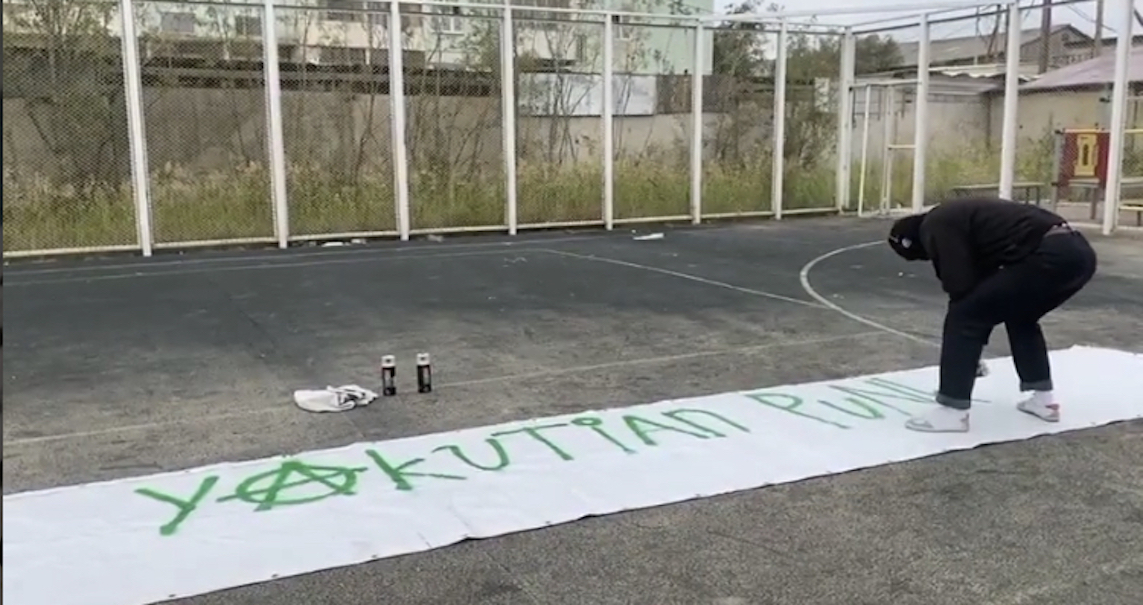
    For many activists, printing and disseminating anti-war messages in Indigenous languages is not only symbolic of the resistance against the colonial Russian state, but also a rallying call to compatriots who might support the war or who do not openly oppose it. The Agasshin Project published a series of anti-war posters in Indigenous/national languages created by speakers of the languages (Buryat, Kalmyk, Udmurt, Chuvash) since anti-war activities in Indigenous languages “can be instruments of resistance to both the current war and colonial politics”. Aikhal Ammosov, a Sakha musician and activist, has been tried twice and is awaiting a third trial for his anti-war picketing and performances in Sakha, Russian, and English. Ammosov was first fined for “hooliganism”, then for “discrediting the Russian armed forces”, and he currently awaits trial and could possibly face up to three years in prison for his most recent art performance involving a banner reading “Yakutian Punk Against WAR”. 

    Video still posted on Ammosov’s Instagram account in which he spraypaints a banner with the text “Yakutian punk against war.”

    Following Russia’s February 24, 2022 invasion of Ukraine, activists around the world began publishing texts about colonialism, racism, and violence in Russia with fervor. Though these activists and groups are far from monolithic and cater to regional, historical, and culturally specific needs, these ideas spread and grow horizontally across the sphere of Russian influence, allowing for grassroots collaboration, collectivization, and support to grow.

    Source

  • Ethnic Minorities Hit Hardest By Russia’s Mobilization, Activists Say
    Ethnic Minorities Hit Hardest By Russia’s Mobilization, Activists Say

    Just hours after Russian President Vladimir Putin announced a partial mobilization for the war in Ukraine last week, a family in Russia’s majority-Buddhist republic of Kalmykia gathered to decide how to protect its four draft-eligible men. 

    “We thought my uncle would be drafted first and decided he would go to Kazakhstan… He left the next day,” the youngest man in the family from Kalmykia’s capital Elista told The Moscow Times. 

    Assured that his family was relatively safe, the man — a local activist who requested anonymity to speak freely — started helping conscription-age men to avoid “becoming cannon fodder” by fleeing abroad. But then his father received draft papers.

    “I wasn’t able to convince my father to leave… I am going to the draft office tomorrow to bid farewell,” the activist wrote on social media Thursday. 

    “He is 47. He avoided the Chechen war, but not this one.” 

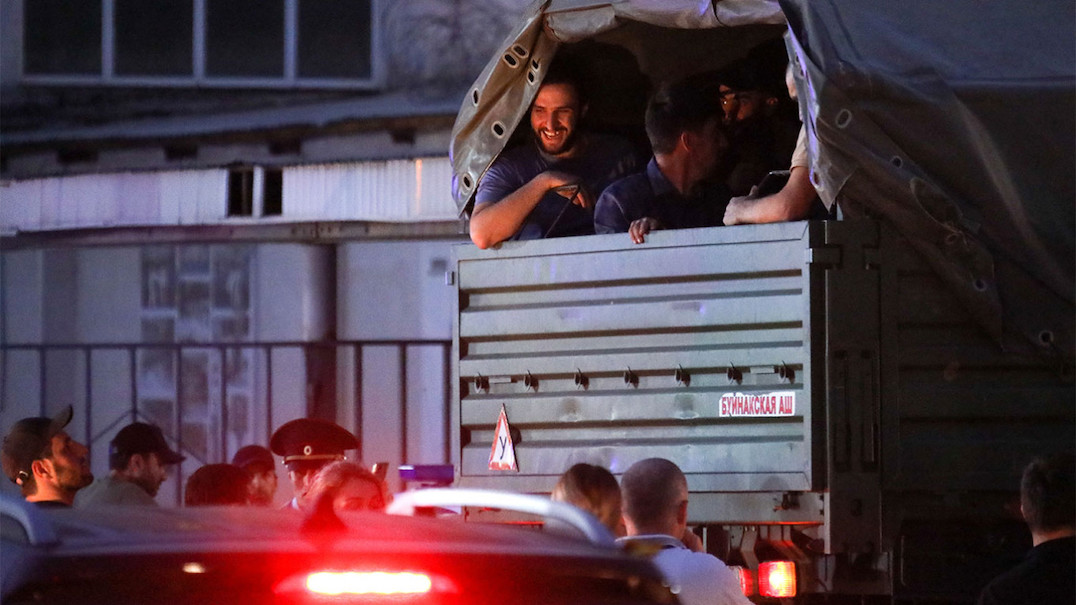
    Evidence from regional activists who spoke to The Moscow Times suggests that, almost a week into Russia’s mobilization drive, a disproportionate amount of the men being drafted come from Russia’s ethnic minorities. 

    Many of the ethnic republics that appear to have seen large numbers of men receiving draft papers  — including the North Caucasus republic of Dagestan and Siberian republic of Buryatia — have already suffered heavy losses in the war in Ukraine. 

    “In Elista, they are planning to take 332 people, which is quite a lot for a city with a population of no more than 150,000,” local Kalmyk activist Daavr Dordzhin told The Moscow Times. 

    In the Siberian republic of Buryatia, one of Russia’s poorest regions, thousands of men — including recently discharged soldiers and those who initially refused to be sent to Ukraine — have apparently received call-up papers. 

    “All the young men we were able to save and bring back home are now being invited to go back into that meat grinder,” said Alexandra Garmazhapova, co-founder of the anti-war Free Buryatia Foundation that helps conscientious objectors. 

    
					The governor of Buryatia, Aleksei Tsydenov.					 					Pavel Volkov / Roscongress Photobank
    The governor of Buryatia, Aleksei Tsydenov. Pavel Volkov / Roscongress Photobank

    There are no official figures for the numbers of men mobilized in each Russian region, and The Moscow Times was unable to confirm numbers given by activists. 

    In Bashkortostan, an oil-rich Muslim-majority republic in central Russia, fathers of four and men over 40 years old are among those to have received draft papers, according to Bashkir opposition activist Ruslan Gabbasov

    “I don’t know the exact numbers of people drafted, but they are sending out draft papers left, right and center,” he told The Moscow Times.

    And in Crimea, which Russia annexed from Ukraine in 2014, the peninsula’s indigenous Crimean Tatars have apparently been hit particularly hard. 

    “Eighty percent of the draft papers for mobilization in Crimea were sent out to Crimean Tatars (Crimean Tatars make up less than 20% of the population of Crimea),” journalist and activist Osman Pashaev wrote in a post on Facebook last week. 

    Many activists have suggested mobilizing more men from ethnic minorities far from Moscow and St. Petersburg is a way for the Kremlin to reduce the draft’s impact on major cities, where the chances of opposition protests are higher.

    But many of these regions — which are generally poorer and more fertile recruiting grounds for the Russian army that can provide a stable salary and act as a social lift — also have a higher-than-average number of military veterans. 

    “A mobilization that focuses on recent veterans will… disproportionately affect regions where there are more military units,” military analyst Rob Lee tweeted last week. 

    Perhaps because of the outsize impact of the draft on their communities, ethnic minorities have played a prominent role in anti-mobilization protests  — often led by women — in recent days, with videos emerging of demonstrators blocking roads, scuffling with police and calling for peace.  

    
					A military enlistment office in Russia.					 					Dmitry Lebedev / Kommersant
    A military enlistment office in Russia. Dmitry Lebedev / Kommersant

    The ethnic republics of Dagestan, Kabardino-Balkaria and the Arctic republic of Sakha all saw significant protests over the weekend. 

    Demonstrators in Yakutsk, the capital of mineral-rich Sakha, organized traditional dances at a protest Saturday and were seen chanting “No to war!” and “No to genocide!” — a reference to the fact that mobilizing men from small ethnic minority communities will likely cause their population numbers to plummet. 

    And in Dagestan, protesters in the town of Khasavyurt blocked a key highway Sunday. Police fired in the air in an attempt to despers the rallies, according to videos from the scene. 

    Over 10 times more people were detained at anti-mobilization protests Sunday in Dagestan’s Makhachkala than in Moscow, according to protest monitoring group OVD-Info. 

    Like in most Russian regions, the mobilization drive in ethnic republics appears to be particularly intense in poorer, rural areas, activists said. 

    In the Caucasus republic of North Ossetia, “draft papers are distributed mostly in villages,” one local activist who requested anonymity told The Moscow Times. 

    And a similar tactic is used in Bashkortostan. 

    “They are taking ordinary boys from the districts and villages,” one eyewitness from Bashkortostan said in a message sent to the Free Buryatia Foundation that the group subsequently shared online. 

    Many activists blamed regional leaders keen to impress the Kremlin for the speed of mobilization in areas with large ethnic minority communities.

    “The over-eagerness of the head of Buryatia, Aleksei Tsydenov, plays an important role,” activist Garmazhapova told The Moscow Times. 

    “If Vladimir Putin told him to do a pole dance, he would do it. And just as easily he will send young men from Buryatia to war… He doesn’t see them as people, he sees them as a means to achieve his [political] goals,” she said. 

    Source

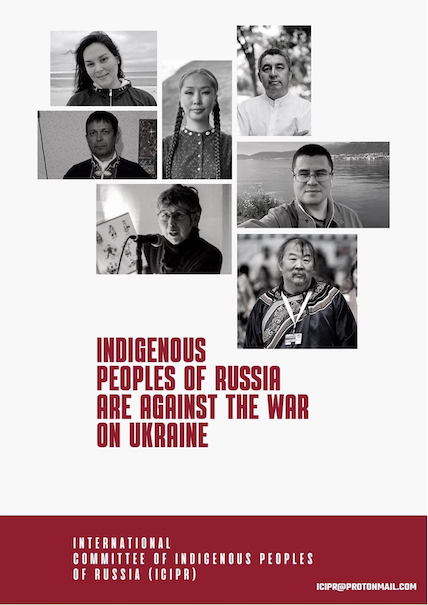
  • Mobilization. Appeal of the International Committee of the Indigenous Peoples of Russia to the indigenous peoples of the North, Siberia and the Far East.
    Mobilization. Appeal of the International Committee of the Indigenous Peoples of Russia to the indigenous peoples of the North, Siberia and the Far East.

    Brothers and sisters! 

    On September 21, President Putin announced a “partial mobilization” in the country. Nobody can be fooled by the word “partial” today. There have been already numerous evidences that summonses are being handed to thousands of future soldiers whom the Russian government has decided to throw into the furnace of war. Young people, middle-aged men and even those who are almost 50 years old, are massively taken away from work places, even at night, separated from relatives and friends in order to be sent to fight for Putin’s wealth. This way he and his gang could continue to rob Russia unhindered, frightening Russian citizens and peoples from neighboring countries. 

    Putin has been caught lying more than once. After the invasion of Ukraine began, he said that everything was going according to plan. But why do we need such an urgent and sudden mobilization then? The Ministry of Defense stated that the losses of the Russian army are small. But why do they need hundreds of thousands of soldiers more? The truth is that the Russian army is suffering huge losses, and you don’t hear about it on TV. That’s why Putin and his generals urgently needed a new “manpower”. 

    Today, many lackeys and propagandists tell you that it is everyone’s sacred duty to defend the fatherland and that Russians are happy to go to the front as volunteers. But this is also a lie. No one threatened Russia with war until the Russian army invaded Ukraine, and all those who really wanted to fight have long had the opportunity to go to the front as volunteers. Putin has begun forced mobilization in order to be able to send to death new hundreds of thousands of those who do not want to die voluntarily in the name of his  in the name of his paranoid goals.

    Everyone knows the horrible level of corruption in Russia. Those who have money, connections, influential relatives, will easily buy off military service. The poor will go to war, those who will not be able to give a bribe, buy a medical certificate, and urgently enter the university. We all know that indigenous minorities are one of the most disadvantaged groups in the country. Today, officials of the State Fishing Agency and hunting inspectors force our aborigines to pay bribes. Tomorrow, military enlistment offices will force the same people to pay bribes again. 

    In these conditions, the position of the so-called “leaders” of the associations of indigenous peoples of the North, Siberia and the Far East, who continue to praise Putin and his policy of destroying the population of Ukraine and sending more and more recruits to war, is especially shameful and vile.

    We all want peace and a quiet life. We all want our hunters, fishermen, reindeer herders to stay alive and continue the traditions of their ancestors, and not perish in a foreign country at the behest of Putin. Therefore, we appeal to you, brothers! Sabotage the orders of your superiors. Burn military Ids. Throw out summons to the military. Don’t show up at recruiting stations. Surrender to the Ukrainian side as soon as you get to the front. This way you will save yourself for your families and your indigenous communities. 

    We also appeal to you, sisters! Do not let your husbands, brothers, fathers go to war. Spoil documents, do not answer calls from military commissariats. Do not believe the promises of the authorities and the military that they will return your loved ones alive. Do not believe that the authorities will pay money for the deaths and injuries of your relatives. They will cheat again, and you know it. This war unleashed by Putin and his clique is an unjust war. This war is not for Russia and its future, this war is for the continuation of the plundering of the citizens of Russia, its peoples. This war unleashed by Putin and his cabal is an unjust war. This war is not for Russia and its future, this war is for the continued plunder of the citizens of Russia, its peoples. This war is the killing of innocent people, citizens of Ukraine, women, children, old people.

    Don’t participate in this war. This is not our war!

  • After a 6-month Arctic Council pause, it’s time to seek new paths forward
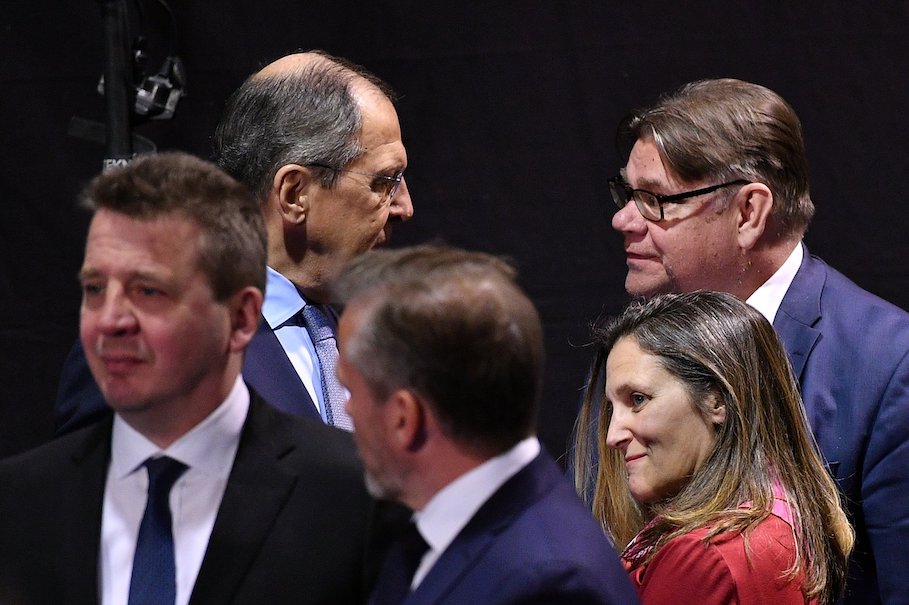
    After a 6-month Arctic Council pause, it’s time to seek new paths forward

    As the war in Ukraine drags on, Arctic states need to find more permanent avenues for collaboration in the region.

    The Arctic was supposed to be exceptional — an area of the globe substantially removed from the pressures of great power politics. Russia and the U.S., despite their military and security interests there, found ways to cooperate regardless of troubles elsewhere. The Arctic Council in 2021 celebrated its 25th anniversary as a successful forum for cooperation on economic and environmental issues among the eight states with territory above the Arctic Circle.

    Then came the Russian invasion of Ukraine earlier this year, which dealt a long-term blow to regional harmony.

    It has been six months since the work of the Arctic Council was put on hold by the U.S. and other members besides Russia. The most important venue for pan-Arctic cooperation — and thus a central element of Arctic cooperation itself — ceased to function for the first time. As the Ukraine conflict shows few signs of winding up, it is time to take stock of where we are and what the future paths for Arctic relations may be.

    The pause initiated on March 3, 2022 by the seven so called “A-7” or “Arctic 7” states was by its terms supposed to be temporary, with participation in Arctic Council activities hopefully to be resumed pending improved circumstances. When conditions didn’t improve, on June 8 these states announced a limited resumption of work on council projects that do not involve Russia’s participation. While such projects account for a substantial amount of work, the step was awkward given that Russia holds the council’s two-year rotating chairmanship and was leading the council’s efforts.

    The invasion of Ukraine had a deep impact on the U.S. and Western countries in particular, and it could not be ignored in the Arctic. It brought war to the heart of Europe, and led many countries including Arctic Council member states to provide arms to Ukraine that are being used against Russian soldiers. In the Arctic, Russia became widely seen as a not just a theoretical but an active threat, with the result that Finland and Sweden took the extraordinary step of applying for NATO membership. As a result, NATO will increase its northern (and thus Arctic) presence, and all Arctic nations  besides Russia will be NATO members — a disquieting development for Russia. The council — and other Arctic institutions and processes — had muddled through Russia’s attack on Crimea, but this was more serious.

    What has become clear is that the degradation in Arctic relations will be with us for the long term. Where does that leave us?

    A boat passes icebergs at Disko Bay near Ilulissat, Greenland on September 16, 2021. (Hannibal Hanschke / Reuters File Photo)

    Multilateral Arctic cooperation is more necessary than ever. The latest science informs us that the Arctic is warming four times faster than the rest of the globe (not just two to three times faster as thought until quite recently), and seven times faster in some areas. Circumpolar science conducted in the Arctic is vital for addressing climate change worldwide.

    The Arctic Council has made a tremendous contribution on a wide range of environmental and economic issues, and its programs need to be continued and strengthened. It has taken years for the council to develop into an effective organization, and its collapse needs to be avoided because Arctic residents and stakeholders have come to depend on it. Rebuilding the institution could be time consuming and difficult.

    Yet, working with Russia in the Arctic Council isn’t appropriate or feasible at the moment. The council isn’t a regulatory body that produces rules for governance the way the International Maritime Organization does for shipping or the International Civil Aviation Organization does for air traffic. It is a forum that achieves its objectives on the basis of discussions and mutual accommodation. Governments at odds over Ukraine can’t be expected to make progress on environmental rules where trust is needed, or to jointly promote business opportunities.

    Indigenous groups have insisted that Arctic collaborations must continue despite the war in Ukraine, to find ways to improve health conditions, promote adaptation to a changing environment and improve infrastructure and living standards. They point out, with considerable justification, that the needs of their communities have little to do with the crisis in Ukraine or geopolitical rivalries.

    It is important to bear in mind that aspects of Arctic multilateral cooperation not involving Russia remain robust and effective. There are strong economic and science links among the other Arctic states, as well with non-Arctic states active in the region, that in no way depend on Russia. These are ongoing and are not necessarily impeded by the Arctic Council being sidelined or by lack of access to Russian territory or support.

    And yet, in the long term, there is no meaningful pan-Arctic cooperation without Russia. It makes up about half the Arctic, and is a country not only of considerable size but also influence and capability. Hence, it is necessary to keep in mind and indeed hope for the eventual reintegration of Russia into systems of Arctic cooperation, including the Arctic Council.

    With all this in mind, what are the next steps that the U.S. and allied countries should take?

    The A-7 countries moving ahead with Arctic Council on projects not involving Russia made good sense, but doesn’t deal with the more fundamental question of the status of the Arctic Council itself. Should the council, even in the midst of the Russian chairmanship, be taken over by the other members and operated without Russia?

    I believe this should be avoided. The basic concept of the council at its creation is that it was a body comprised of eight states with equal status, and that all decisions would be taken by consensus of the eight. This was a fundamental aspect of the 1996 Ottawa Declaration. As the council is a forum and not an international organization as a legal matter, there is no breach of international law if the A-7 decide to ignore the consensus rule and in effect jettison Russia. But that would be inconsistent with the declaration and the rules of procedure of the council, and Russia is likely to object strenuously. The council would face difficult procedural problems. The work of the council’s subsidiary bodies are supposed to be endorsed by the Senior Arctic Officials and by ministers who would meet in May of next year. However, Russia is slated to host the next ministerial, and it isn’t clear how or when a ministerial without Russia could be convened, or how Norway, as the incoming chair, would have its proposed work program agreed by ministers.

    Thus, if the Arctic Council is operated without regard to Russia during the Russian chairmanship, or if the other countries host their own ministerial or begin a new Norwegian chairmanship without Russian concurrence, it becomes more likely that Russia would resist returning to the Council in the future. Russia has already withdrawn from the Council of the Baltic Sea States and the Council of Europe, and so as has been suggested elsewhere, “the danger is real.”

    A possible way to avoid this problem is for the A-7 and Indigenous groups to agree to interim measures under which they would continue Arctic cooperation, both Arctic Council projects not involving Russia and other forms of cooperation that they wish to undertake as a group, without formally doing so under the banner of the council. They could, at least as an initial step, agree to follow the procedures of the council as appropriate and continue to receive support from the Arctic Council’s secretariat located in Tromsø, Norway.

    Tromsø, Norway downtown, with the Tromsøysundet Bridge and Arctic Cathedral in the background. (Krestia DeGeorge)

    In pursuing any course of action, there needs to be active consultation with the Indigenous groups who would normally wield considerable influence within the Arctic Council. That said, the solution is unfortunately not as simple as inviting all the Permanent Participants, as these groups are known within the Council, to join in a collaboration with the A-7 states, as one of them, the Russian Association of Indigenous Peoples of the North (or RAIPON), has taken a formal position supporting Russia’s Ukraine invasion. Including RAIPON would likely not be acceptable to the A-7.

    Beyond the diplomacy that takes place in the Arctic Council, the A-7 and their allies need to pay increased attention to Russia’s military buildup in the Arctic. Contact between their coast guards and Russia’s remains important, along with attempts to establish and implement protocols that reduce the risk of accidental conflict on the sea and in the air.

    In addition, the stoppage within the council presents non-Arctic states with an opportunity to work more closely with the Arctic states. This will be true for the A-7 states, which can increase their collaboration with actors such as the EU, the UK, France, Germany, Japan, South Korea on economic, scientific and security matters. But in parallel we can expect that Russia will reach out to China and India, to involve them even further in Arctic affairs.

    It turns out that Arctic exceptionalism was a mirage. Nevertheless, while we can hope that the Arctic Council will regain its footing in future years, as the Ukraine crisis continues, the U.S. and other Arctic countries should search for other ways to promote Arctic cooperation.

    Source

  • The Russian Government blocked Indigenous Russia immediately after the EMRIP session
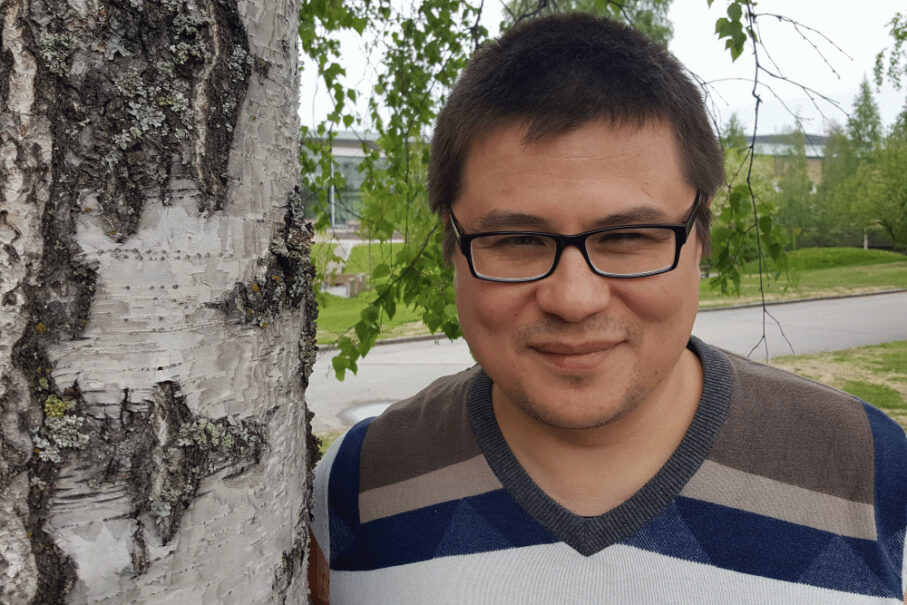
    The Russian Government blocked Indigenous Russia immediately after the EMRIP session

    My name is Dmitry Berezhkov, and I am the editor-in-chief of the Indigenous Russia web page. This web page was created several years ago as a small blog to follow indigenous rights development in Russia.

    Today iRussia is an information center whose main aim is to deliver information about the Russian indigenous issues to international audiences and provide information back about international events for indigenous communities in the Russian Arctic, Siberia and the Far East, both in Russian and English. iRussia today is also a data center that preserves information about indigenous rights violations in Russia and keeps information for further use by human rights defenders, journalists, researchers, politicians and other interested stakeholders.

    Keeping data is a critical job during times when the Russian Government is trying to stop information dissemination, cover the truth and block independent points of view. Countless times we met with the situation when Russian authorities or their vassals tried to delete or distort Internet information about indigenous rights violations or environmental pollution in Russia. That is why our small team of editors and correspondents strongly believes that such work is essential both for Russia and its indigenous peoples, as well as for the international community.

    Indigenous Russia also produces reports alone or in partnership with our allies on indigenous rights for the international audience, UN human rights bodies and Russian authorities themselves. We think this is an important tool for changing and strengthening the means to protect the rights of indigenous peoples in Russia.

    But because of this activity, I could say that Russian authorities, as well as big Russian corporations, don’t like Indigenous Russia. Today as Russian Federation has started a Great War against Ukraine, we can say that iRussia became the last independent media that publishes strong criticism of the Russian authorities and Russian corporations for violations of indigenous peoples’ rights in Russia on a daily basis. Frankly speaking, they even hate us for our job today. This hate became even more after the start of the Russian war against Ukraine as iRussia supported the establishment of the new international organization – the International Committee of Indigenous Peoples of Russia (ICIPR), which openly spoke against the war and appealed to indigenous soldiers in the Russian army to not participate in hostilities.

    As you maybe know, two weeks ago, the UN Expert Mechanism on the Rights of Indigenous Peoples organized its 15th session in Geneva. On the first day of the session, one of the ICIPR members – Yana Tannagasheva, made a statement in which she critiqued Russian authorities and mining companies in the Kemerovo region and Taimyr for violations of indigenous peoples’ rights. Her report triggered an aggressive response from a high-level Russian official, the Deputy Director of the Human Rights Department of the Russian Ministry of foreign affairs Sergey Chumarev, right in the EMRIP session hall.

    This unprecedented incident of aggressive play of the state official against an indigenous delegate provoked hot discussion among participants and was reflected in many publications during and immediately after the EMRIP session. Many states and indigenous representatives expressed their support for Yana Tannagasheva and protested against the aggressive behavior of the Russian state officer.

    I am personally as a member of ICIPR and an editor of Indigenous Russia made a statement with the protest against such actions of the Russian state delegation during the second day of the forum. And within several hours after that, I received a letter from the legal department of WordPress, an iRussia hosting provider and one of the biggest world internet companies:

    “Hello,

    A Russian authority — the Federal Service for Supervision in the Sphere of Telecom, Information Technologies and Mass Communications (ROSKOMNADZOR) — demanded that we disable the following content on your WordPress.com site: https://indigenous-russia.com/.

    Typically, we would comply with orders such as this to keep WordPress.com accessible for everyone in Russia.

    However, we do not believe that this specific order has been submitted in good faith by the Russian Government, and so we are not complying with their demands.

    For your reference, we included a copy of the complaint below. No reply is necessary, but please reply if you have any questions.

    Thank you.”

    I believe that was the immediate reaction of the Russian authorities to the words of truth in the UN building. The Russian Government ordered to delete the whole web page within 24 hours. Below we publish the entire Roskomnadzor’s letter, which was sent to WordPress. This is interesting that they didn’t ask to delete some definite articles which, according to their understanding, violate the Russian legislation. Instead, they demanded to delete the whole website.

    To WordPress credits, it didn’t follow the order of the Russian Government, so our web page continues to work but only for the international audience, unfortunately. Two days after that letter, we started to receive messages from our Russian readers that they couldn’t reach the web page as ROSKOMNADZOR included iRussia into the list of prohibited web resources and bunned the access for the Russian audience.

    This is how the Russian Government protects its own citizens from receiving “dangerous” information about the indigenous peoples’ rights. However, we continue to work for our Russian readers and international ones. We will develop our social networks accessible in Russia: WhatsUp, Telegram, YouTube channels, email lists, and other means available for remote indigenous communities.

    I hope you will continue to receive unbiased, timely and accurate information about indigenous rights in Russia and international development in this sphere.

    I would like to end this address at this point but must add one more unfortunate but necessary fact. As far as we know, the Russian authorities received the formal request to block Indigenous Russia from RAIPON – the Russian Association of Indigenous Peoples of the North. This is the oldest and biggest Russian indigenous organization where we all worked some years ago, whose main aim, according to its Statute, is protecting indigenous rights and which now become an obedient instrument of any orders by the Russian Government.

    Dmitry Berezhkov. An address to readers.

  • Yana Tannagasheva’s statement at EMRIP 15th session. ITEM 9: Thematic discussion on Violence against Indigenous Women
    Yana Tannagasheva’s statement at EMRIP 15th session. ITEM 9: Thematic discussion on Violence against Indigenous Women

    4-8 July 2022

    Oral statement of Ms. Yana Tannagasheva on behalf of
    International Committee of Indigenous Peoples of Russia (ICIPR)

    Thank you, Madame Chair,

    Dear brothers and sisters,

    Yesterday, within the walls of the UN, we saw the unacceptable, undiplomatic behavior of a representative of the Russian government. This situation paints a general picture of the Russian aggression against the indigenous peoples of Russia and Ukraine, in particular indigenous women. Such aggressive actions fully paint the picture of the methods of the Russian government that means “the best defense is an attAck.” Yesterday they attacked, and today they present themselves as victims. This happened with the attack on Ukraine: they started the war first, because, supposedly, Ukraine could attack them.

    The rights of indigenous women in Russia are being violated, but little is said about it. Our women know and are accustomed (to the fact that it is almost impossible to achieve justice. The rights of indigenous women in Russia are violated both at work and at home. The number of cases of domestic violence by husbands of indigenous women, especially in remote villages, is not monitored by anyone, and this is one of the serious problems in such areas. The police ignore the problem of domestic violence. Women have no one to turn to. They have no access to information and justice.

    The rapid development of industrialization pushed by the Russian government and companies, has a powerful negative impact on the traditional way of life and the health of women and children. The persecution of indigenous women by the Russian authorities and mining companies, as in my case, the fabrication of cases, discrimination, the creation of a negative picture of indigenous women are part of the repressive methods of the Russian authorities. With the outbreak of the war in Ukraine, the situation of indigenous girls and mothers became catastrophic both in Russia and Ukraine. A representative of the Russian government aggressively asked me yesterday if I had been to Donbass in Ukraine. I have not been to Ukraine, but my friends from the Donbass tell me what kind of “peace” Russia brings: with blood, bombs and deaths.

    Dear Madame Chair,

    I make a recommendation to the Expert Mechanism, the Human Rights Council to take into account and investigate the incident that took place during this session, not only as a particular case of harassment against me, but also in general the situation of the indigenous women of Russia and Ukraine.

  • Yana Tannagasheva’s statement at EMRIP 15th session. Agenda #3 “Study on Treaties, agreements and other constructive arrangements, between indigenous peoples and States”
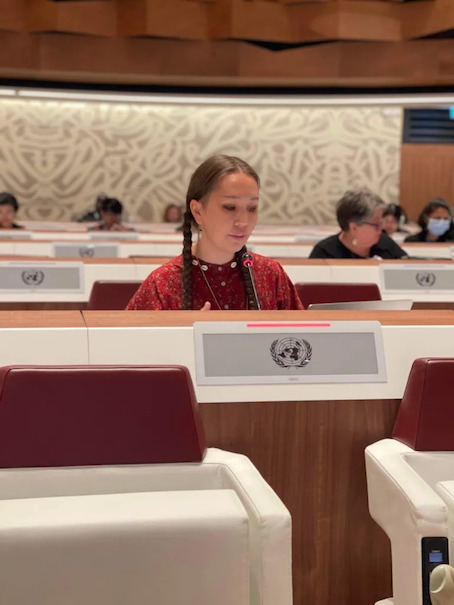
    Yana Tannagasheva’s statement at EMRIP 15th session. Agenda #3 “Study on Treaties, agreements and other constructive arrangements, between indigenous peoples and States”

    ITEM 3: Study on Treaties, agreements and other constructive arrangements, between indigenous peoples and States, including peace accords and reconciliation initiatives, and their constitutional recognition

    EMRIP 4-8 July 2022

    Oral statement of Ms. Yana Tannagasheva on behalf of Society for Threatened Peoples / International Committee of Indigenous Peoples of Russia (ICIPR)

    Thank you Mr/Madam Chair.

    As a representative of the Shor People from southwestern Siberia, who has been directly affected by the Russian regime and coal mining companies, I want to draw your attention to the violations of the rights of indigenous peoples by the Russian authorities and mining companies.

    Unfortunately, no treaties regarding indigenous peoples are in force in the Russian Federation. A vivid example of this is the Kazas village in Kemerovo region, where I am from. The village was burned down by the coal company 8 years ago. The case of this village and violations of the Shor people rights was considered by the Committee on the Elimination of Racial Discrimination. The concluding observations of the Committee were addressed to Russia: to restore the rights of the Shor people. However, the rights of the Shors continue to be violated by coal and gold mining companies, and the Russian authorities have both lied in their reports and continue to provide false information. Moreover, the Russian regime is increasing pressure and repression on those representatives of indigenous peoples who openly fight for their lands, territories, the right to self-determination and, in general, openly express their position.

    I express concern that the Russian authorities and mining companies are manipulating representatives of indigenous peoples, using their vulnerable position to promote the state policies and propaganda both on national and international level. This applies, for example, to the Norilsk Nickel company, whose accident occurred in 2020, which became the largest oil spill in the Russian Arctic. This caused irreparable harm to the living environment of the indigenous peoples of Taimyr, negatively affects their nutrition, health, and psychological state, especially women and children. Today, the Russian authorities and Norilsk Nickel are trying to set a positive image of interaction with indigenous peoples at the international level by promoting the implementation of the FPIC principle. However, the indigenous peoples who live there tell us otherwise.

    In general, the poor situation of the Indigenous Peoples of Russia was difficult even before the war, but now it has only worsened. Today in Russia it is almost impossible and dangerous to speak openly, to express your position freely. Indigenous peoples are criminalized in various contexts. Threats and harassment are more often directed against persons involved in the protection of environmental rights, land rights, and recently against those who openly protest against the war with Ukraine.

    In conclusion, Mr/Madam Chair, I would like to recommend:

    • Request the UN Special Rapporteur on the rights of indigenous peoples to pay special attention in future reports to the situation of the indigenous peoples of Russia, controversial situations, the implementation of the recommendations of treaty bodies, and also to investigate issues related to the criminalization of representatives of indigenous peoples who protect their lands, territories, resources.
    • Recommend to the Human Rights Council that the mandate of a Special Rapporteur on the situation of indigenous peoples in situations of interstate conflict be established. And also include the UN Declaration on the Rights of Indigenous Peoples in the list of standards of the universal periodic review.

    Thank you for your attention!

  • Dmitry Berezhkov: “How does the militarization of Russia’s internal politics, social life and economy affect indigenous peoples’ development in Russia?”
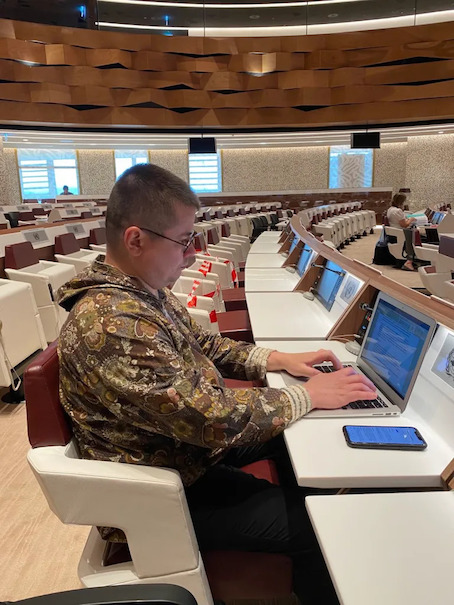
    Dmitry Berezhkov: “How does the militarization of Russia’s internal politics, social life and economy affect indigenous peoples’ development in Russia?”

    15 Session of the Expert Mechanism on the rights of indigenous peoples. 4 July 2022, Geneva

    EMRIP Side-Event: The influence of the aggression of the Russian Federation in Ukraine on indigenous peoples of Russia – https://indigenous-russia.com/archives/22391

    Presentation by Dmitry Berezhkov: “How does the militarization of Russia’s internal politics, social life and economy affect indigenous peoples’ development in Russia?”

    Thank you very much, mister chair. 

    The war in Ukraine has many different aspects. And it influences indigenous communities in Russia in different ways, sometimes very unexpected ones. 

    Indigenous soldiers

    The most obvious item is the dying of indigenous soldiers as members of the Russian army forces. I don’t approve of them; of course, they must be punished by international law for participating in the war. 

    At the same time, we must remember that Indigenous Peoples in Russia remain among the poorest parts of the population. Their social and economic development and life expectancy are far below the national average. Sometimes military service is the only way for the young man to earn some money. We also need to understand that most Russian soldiers didn’t know they would be sent to the war by the government. And, of course, this is a great tragedy for small numbered indigenous peoples if young men die for some imperial ambitions of the Russian dictator somewhere thousand kilometers away from their home communities. 

    We know a village where live only two hundred individuals and five young indigenous soldiers are fighting in this war from there. And this whole indigenous Nation is less than two thousand persons itself. Many died. We have confirmed the deaths of indigenous soldiers from Chukotka, Khabarovsk Krai, Tyva, Buratia, and other regions. But we can not even estimate the total numbers. The only way is to study dead soldiers’ open databases and find their indigenous names. But many of them have Russian names, of course. So this research has to be done in the future. 

    Economic crisis 

    In Russian state media, you don’t find any substantial news about the negative influence of the war on the Russian economy. According to Putin’s propaganda, the Russian ruble has become more strong currency since February; the Russian companies have organized successful import substitution since Western businesses fled the country. We even have now own analog of Macdonalds. 

    At the same time, the Russian economy, social life, communications, prices, and the everyday life of ordinary people have changed significantly. The costs for food, energy, fuel, delivery for remote indigenous communities have increased drastically. We know villages in Siberia that suffer from stopping air traffic because it became unprofitable to deliver goods there for local businesses. Many remote villages suffer from the absence of pharmaceutical drugs which previously Russia imported from the West. People must buy the cheapest inferior Russian analogous medications, negatively influencing their health. This hit most small villages in the remote regions where indigenous peoples live. 

    Propaganda

    Indigenous peoples as a part of Russian society are today the subject of unprecedented state propaganda. For example, they are now trendy on the Russian Internet videos in which indigenous artists dance and sing to support Vladimir Putin and the Russian Army. While these actions are often initiated by state officials or real supporters of the war in Ukraine, like representatives of the Russian Association of indigenous peoples of the North (RAIPON), we receive many reports that indigenous performers usually don’t know for what purposes they are dancing until they see the videos published on the Internet. 

    We know that at least several civic activists from indigenous peoples publicly criticized the government for the war in Ukraine and were fined by police according to the new restrictive legislation and stigmatized by society for their antiwar position. The saddest aspect of this is that in some cases, authorities received information about such “crimes” from representatives of RAIPON.  

    The war, mining companies and indigenous peoples

    The other aspect of the war and its influence on indigenous peoples of Russia is the rapidly changing rules for doing extractive business on indigenous lands. As you know, the Russian Federation continues to receive the most significant share of the state income from extracting minerals and other resources from indigenous peoples’ lands in the Russian Arctic, Siberia and the Far East. This share is more than half of the Russian export. President Putin uses these hundreds of billions of dollars to buy a weapon to kill innocent Ukrainian people, including indigenous peoples like Crimean Tatars. 

    But now, we are met with a situation where the government and mining corporations use the pretext of war to loosen the environmental requirements for extractive business operations. Governmental and business propagandists openly say that Russia today is in a fight with US and NATO in Ukraine, and people have to be patient and not ask “too many” environmental questions to business. The ecological legislation is changing to lose any opportunities for civil society to protect the environment. 

    Western companies, which were most advanced in using the international law standards, including indigenous peoples’ rights and environmental standards, are fleeing the country while their shares go to the state or to Russian oligarchs. To substitute, Western investors and technologies, Russia tries to attract money and technologies from Chine or India, which pay much less attention to environmental standards or human rights. 

    Persecution of human rights defenders

    The huge challenge today for Russian indigenous peoples is suppressing by the state and fleeing from the country the most prominent independent environmental, legal and media experts. Lawyers, journalists, and environmentalists who previously supported indigenous communities today have to work outside Russia, be silent or are subjects of criminalization themselves. The others have a tremendous amount of work with numerous cases. 

    Sergey Kechimov case

    I can give you a small but obvious example. There is a sacred lake Imlor in Western Siberia in Khanty-Mansiisk autonomous okrug. There lives Sergey Kechimov, who is a Khanty reindeer herder. He lives there with his wife only. Other Khanty left the lake area many years ago because there operates one of the biggest Russian oil companies, Surgutnefegaz, which polluted all territories around the lake. I will not be able to describe his life’s full and tragic story in such a short presentation. Today, oil facilities, pipelines, roads and infrastructure surround the lake’s perimeter several meters from the water. 

    Several years ago, after one of their regular conflicts, the oil workers blamed him for threatening their lives. So they applied to the police, which sent the case to the court. After several months of investigation, the court sentenced Sergey Kechimov to communal work. That was an unlawful decision for many reasons. For example, the police officers fraudulently forced him to sign a confession of guilt using the fact that Kechimov doesn’t speak Russian well. I can not describe all the details here, but we consider this case pure evidence of indigenous rights defenders’ criminalization tendency in Russia (here you can find more details)

    Those days the Russian and international media widely publicized the story of Sergey Kechimov. He received legal and media support from many Russian and international human rights and environmental organizations, including Greenpeace, IWGIA, TheGuardian, Glovalvoices and others. It was not comfortable for Surgutneftegaz to be involved in the prosecution of the indigenous rights defender, so their representatives didn’t appear during the court sessions. 

    Today, the story repeats. After another conflict between the oil workers with Sergey last September, they beat him but then applied to the police with a false statement and blamed him again for threatening their lives. We believe that by this action, Surgutneftegaz is trying to frighten indigenous peoples and Sergey Kechimov in particular because he is now the last reindeer herder who lives near the Imlor lake with his wife. 

    But today, this case doesn’t attract media attention as Putin’s regime destroyed the last independent media after February 2022. He has no lawyer as human rights and environmental networks have been shrunk in Russia since the start of this new phase of the war against Ukraine. He even can’t hire the local commercial lawyer as many of them are afraid to protect indigenous rights defenders in court. 

    The influence of the war on Russia’s indigenous peoples’ briefing note

    These are only some aspects of the influence of the Russian aggression against Ukraine on the indigenous peoples of Russia. We are prepared a briefing note on that topic which we will send to the EMRIP secretariat, but we will continue to work on this to prepare the full report in the future.

    Thanks for your attention.  

  • RUSSIAN INDIGENOUS SPOKESWOMAN FACES INTIMIDATION AT THE HUMAN RIGHTS COUNCIL

    RUSSIAN INDIGENOUS SPOKESWOMAN FACES INTIMIDATION AT THE HUMAN RIGHTS COUNCIL

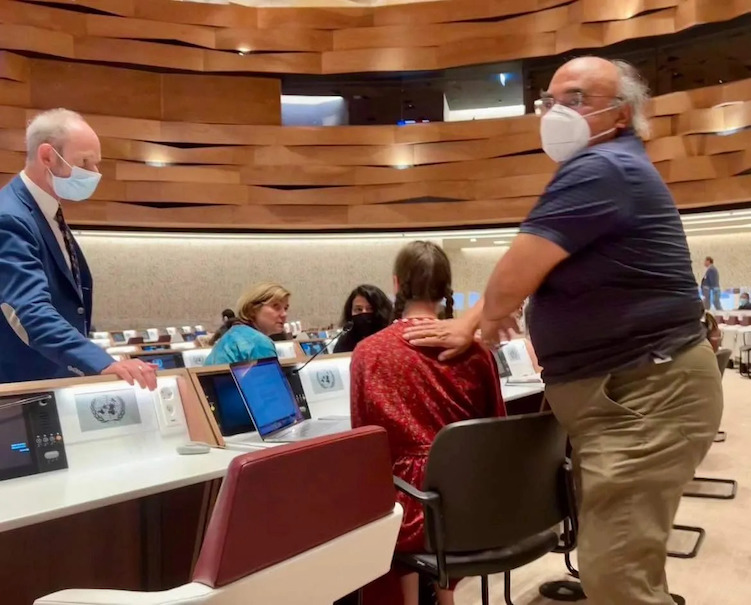
    Exiled Siberian Shor indigenous representative Yana Tannagasheva had just finished reading a statement on Monday about human rights violations in her homeland when she was subjected to aggressive behavior by a representative of the Russian Mission to the UN in Geneva. The Russian diplomat’s open hostility, in the midst of the Expert Mechanism on the Rights of Indigenous Peoples’ signature event, prompted a strong reaction from the other participants, who circled a weeping Yana, acting as a human shield.

    UN Special Rapporteur on the Rights of Indigenous Peoples Francisco Cali Tzay supports ICIPR delegate Yana Tannagasheva who faced with the aggression of the Russian state representative. July 2022 Geneva, 15th session of EMRIP

    Multiple witnesses to the scene agree that the incident is without precedent at the UN. One told us: “This goes to show that Russia is no longer concerned by its public image. Even the most basic codes of communication in what is supposed to be a safe space for discussion are no longer respected.”

    UNACCEPTABLE INTIMIDATION

    Kenneth Deer, the world-famous Mohawk Nation spokesman, was up next. Instead of reading his prepared statement, Deer improvised a heartfelt speech in support of Yana Tannagasheva: “We are truly upset by the behavior of a state representative to intimidate indigenous peoples who have every right to be here and speak truth to power. If that individual was an NGO, we would have had his badge pulled. […] We ask that the Bureau take action, so that this does not happen again.” A standing ovation ensued.

    INCREASING PRESSURE ON INDIGENOUS GROUPS IN RUSSIA

    The July 4 incident is an illustration of the increasing pressure that Russia is putting on its more than 160 ethnic minorities. Yana, currently a refugee in Sweden, fears for her life, as well as the wellbeing of her loved ones. She told The G|O that indigenous peoples in Russia have become a target since the beginning of the war: “Any form of criticism against the government is being crushed,” she told us. “Before I made the trip to Geneva, my husband was very worried about my participation in the Geneva meeting. I have been vocal in criticizing the coal mines that are destroying my region in many international forums. There is a lot of money at stake in these operations and I’ve made some powerful people angry.”

    Christoph Wiedmer, co-director of the Society for Threatened Peoples, says that communication with indigenous minorities has become impossible. “I was extremely shocked by what happened here at the UN, on Monday. There has been increasing intimidation from the Russian government on indigenous peoples, but I would not have expected them to make them so public. Russia has just crossed an unprecedented line.”

    He adds, “By such actions, the Russian government is trying to frighten civil society activists who contribute to human rights causes on [the] international level. Many of the indigenous people in Russia are extremely scared. An already tense climate has worsened significantly. We wonder if this is just an intimidation, or if this is the first step to an actual attack?”

    The Russian Mission to the UN declined The Geneva Observer’s request for comment.

    Source

  • ICIPR statement against intimidation of indigenous delegates by the Russian state’s representative during the EMRIP 15th session in Geneva

    ICIPR statement against intimidation of indigenous delegates by the Russian state’s representative during the EMRIP 15th session in Geneva

    Dear delegates of the Expert Mechanism session!

    Dear indigenous sisters and brothers and distinguished states’ representatives!

    This is a statement regarding the fact of intimidation of Mrs. Yana Tannagasheva during the 15th session of the UN Expert Mechanism on the rights of indigenous peoples by the state’s representative.

    By this statement, we would like to express our strong protest against the fact of intimidation of the member of the Russian indigenous delegation Mrs. Yana Tannagasheva (who represents the International Committee of indigenous peoples of Russia), by the representative of the Russian state’s delegation that was happened yesterday (4th July) during the first day of the session of the UN Expert Mechanism on the rights of indigenous peoples just in this room. 

    We consider yesterday’s aggressive dialog of the representative of the Russian state with Mrs. Yana Tannagasheva, including an attempt to find out her personal data, as a pure fact of intimidation of indigenous rights defenders considering our long negative practice in that field with Russian officials. 

    We consider the intimidation of indigenous people’s rights activists, which is unfortunately usual practice today for Russian authorities, unacceptable, especially if indigenous rights defenders are persecuted for their cooperation with the UN or for delivering information about indigenous rights violations to the UN human rights bodies. 

    We ask for the assistance of the Expert Mechanism and secretariat to prepare the official complaint with regards to the aggressive behavior of the member of the Russian state delegation against Mrs. Yana Tannagasheva. We also ask Expert Mechanism and the Human rights Council in general to protect indigenous rights defenders who are intimidated by Russian or any other authorities for their human rights activity and cooperation with the UN. 

    We express our solidarity to our indigenous brothers and sisters in Russia, Ukraine and other countries who fight for their freedom or against violations of indigenous rights by states or any other institutions, including business corporations. 

    Thank you for your attention!

    Dmitry Berezhkov, International Committee of indigenous peoples of Russia (ICIPR).