
U.S. to appoint Arctic ambassador in sign of region’s growing importance
The Biden administration announced Friday it will nominate an ambassador-at-large for the Arctic, raising the profile of American policymaking for the region.
Why it matters: The move comes at a time of increased militarization in the far north, with NATO members squaring off against Russia, and at a time of rapid climate change that is making the Arctic more accessible.
The big picture: U.S. Arctic policy is currently handled by a coordinator within the State Department. The White House is seeking to elevate such a role to a full ambassadorship, pending confirmation from the Senate.
- In recent years, Russia has moved to establish multiple military bases in its Arctic territory, while NATO members have conducted drills and worked to counter the Russian threat.
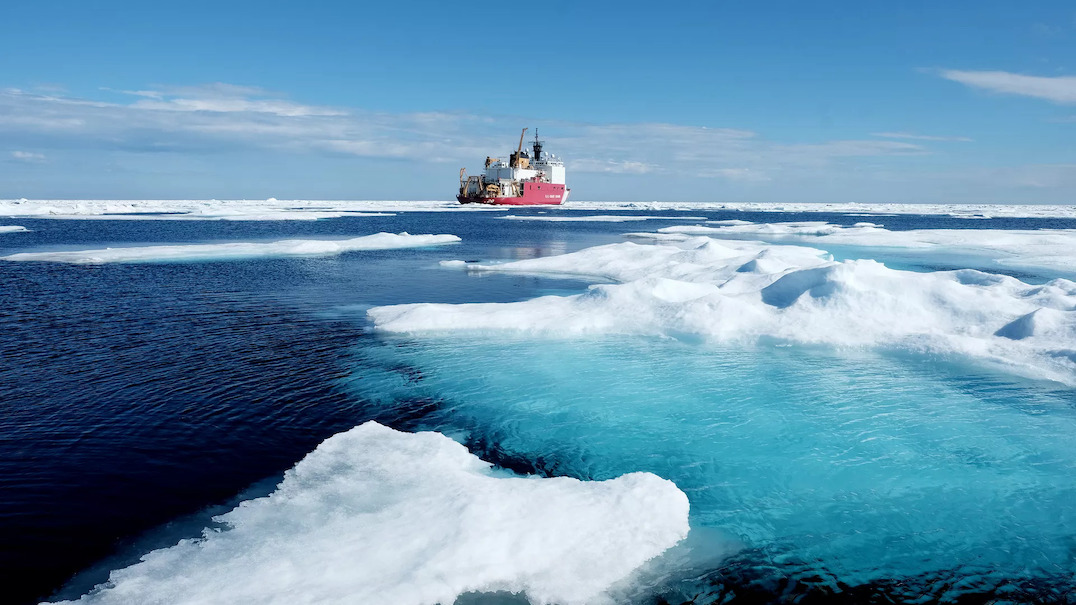
- With the region’s temperatures increasing three times faster than the rest of the world, melting sea ice is opening the Arctic Ocean up to trade and military patrols.
Context: Until recently, the Arctic was a region characterized by cooperation, rather than competition.
- That dynamic began changing prior to Russia’s invasion of Ukraine, and the war led Arctic countries to suspend their participation in the Arctic Council.